Steel Security Doors: What Affects Door Prices?
If you are comparing quotes for exterior doors on a villa or residential project, you have probably run into a confusing gap: two suppliers describe what sounds like the same steel security door, yet one price is double the other. In most cases, neither supplier is being dishonest — they are simply quoting different material grades, internal structures, hardware and finishing processes. Buyers also tend to worry about the same handful of issues: whether the door will actually resist forced entry, how quickly it will rust in coastal or rainy climates, how much maintenance it will demand over ten or fifteen years, whether it can be made to a non-standard opening size, and how difficult installation will be on a finished façade. This guide breaks down the real cost drivers so you can compare offers on equal terms.
Core Materials: The First Price Split
The base material sets a floor under the price and largely determines long-term durability. Most security doors fall into one of three material families:
- Cold-rolled steel — economical, easy to form, but requires thorough pre-treatment and coating to resist corrosion. Best for dry, inland climates.
- Galvanized or zinc-iron alloy steel — a zinc layer is applied to the sheet before forming, giving substantially better rust resistance. This is the standard choice for coastal Europe, North American coastal states and humid regions.
- Stainless steel (typically 304) — the highest corrosion resistance, but material cost is significantly higher, so it is normally reserved for premium projects or extreme environments.
Aluminum alloy is the other major option, and it increasingly competes with steel on villa projects. A cast aluminum villa door uses 6063-T5 extrusions for the frame combined with cast decorative panels, delivering ornate detailing without the weight and rust risk of steel. For driveway entrances, a custom aluminum courtyard gate built from the same alloy system gives a consistent architectural look across the property. The trade-off is straightforward: aluminum costs more per kilogram than galvanized steel, but it typically needs less maintenance over its service life.
Structure and Specifications That Move the Number
Once the material is fixed, the following specification points account for most of the remaining price difference. Ask for each of them in writing before you compare bids.
| Component | Typical Range | Cost and Performance Impact |
|---|---|---|
| Frame profile thickness | 1.2 mm – 2.0 mm | Thicker walls resist distortion and hold heavier leaves; a common anchor point for burglary resistance. |
| Door leaf plate thickness | 0.8 mm – 1.2 mm | Determines dent resistance and how solid the leaf feels. Each step up adds measurable cost. |
| Internal filling | Honeycomb, PU foam, rock wool | Affects weight, sound insulation, thermal value and fire behaviour. Aluminum honeycomb filling is light, rigid and dimensionally stable. |
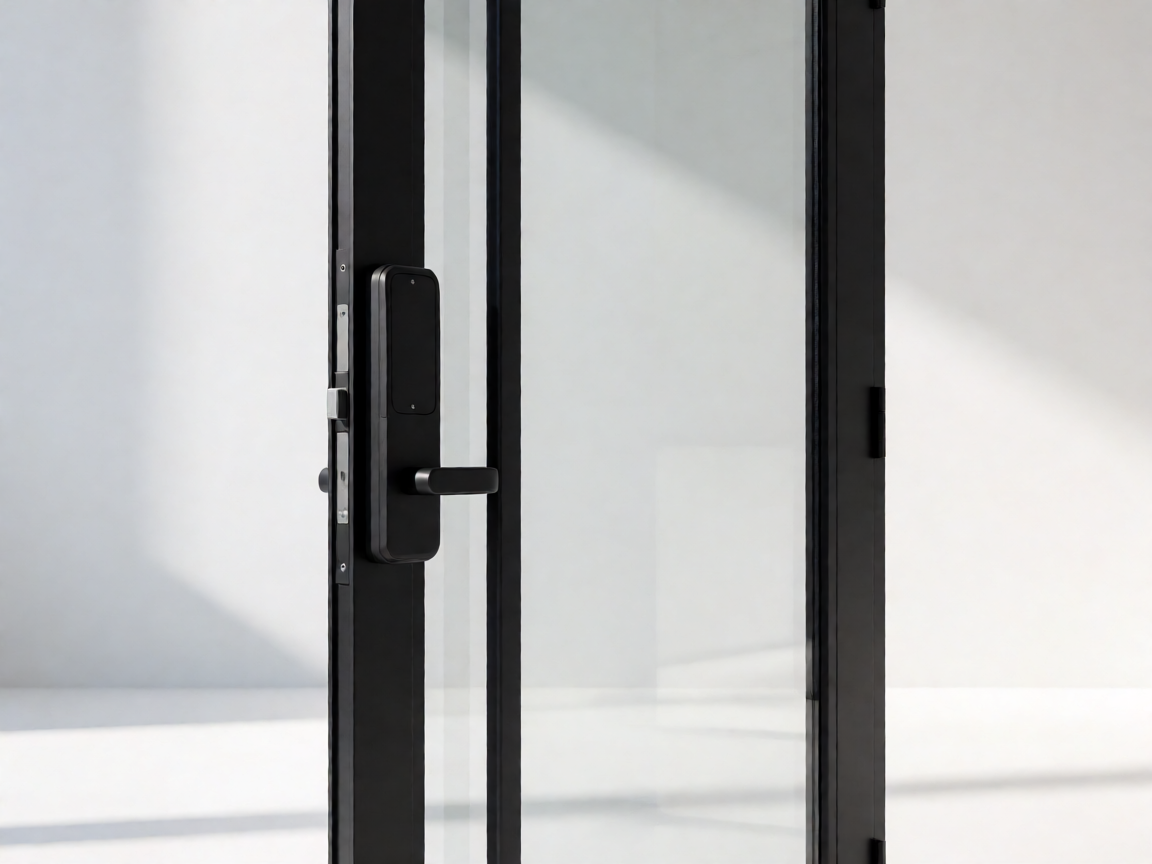
| Glazing | Single, tempered, laminated, double | A glass spliced exterior door design raises glazing cost but adds daylight and a modern façade detail. |
| Lock system | Mechanical multi-point to electronic | Lock point count and cylinder grade are the primary security variables; a smart fingerprint lock adds convenience and audit features. |
| Surface treatment | Powder coat, PVDF, wood-grain transfer | PVDF and multi-coat systems cost more but hold colour far longer under UV and salt exposure. |
Hardware is easy to overlook. Hinges rated for the leaf weight, adjustable strike plates, thermal breaks, and multi-layer weather seals all add cost — and all determine whether the door still closes cleanly after five years.
Why Steel Security Doors Suit Villa Exteriors
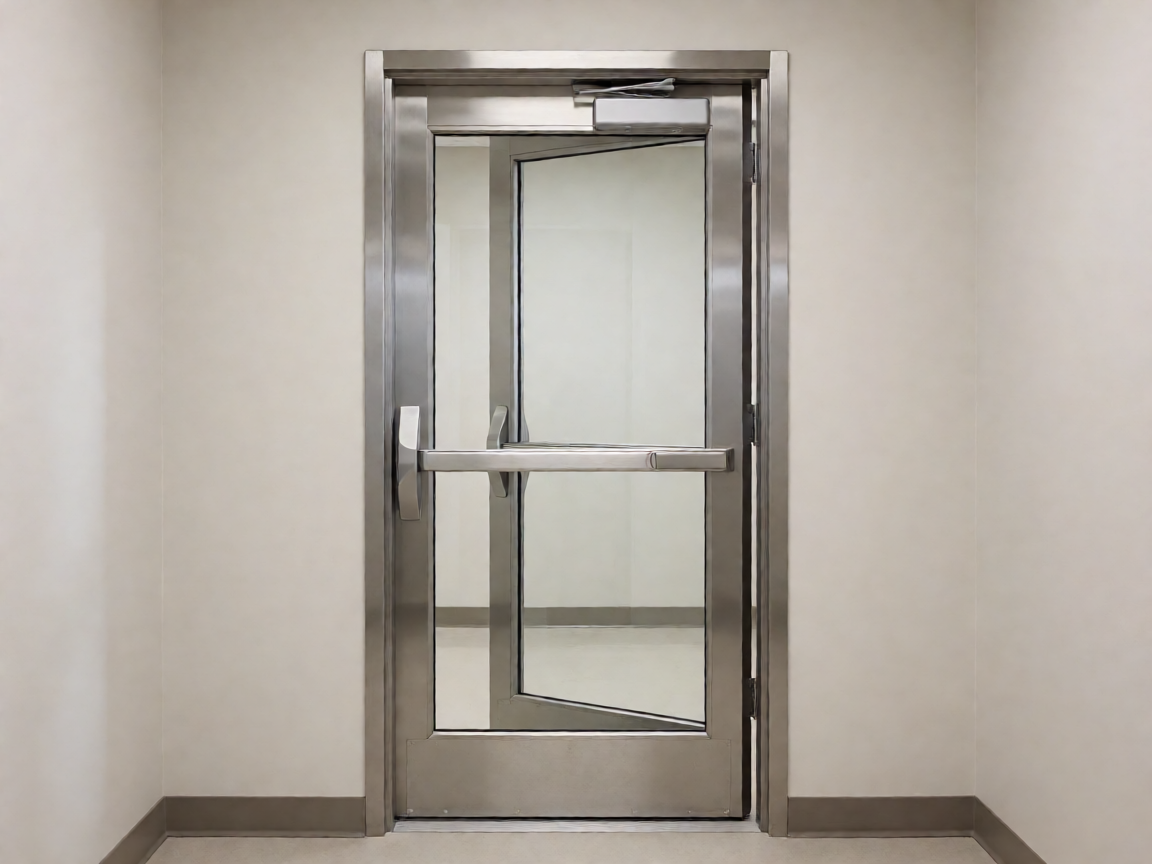
On a detached villa, an exterior door has to do more than lock. It faces wind-driven rain, temperature swings, direct sun and, in many regions, salt air. Steel systems designed for exterior use offer high structural rigidity, so a wide single leaf or a double-leaf entrance stays aligned. With galvanized substrate and a proper coating system, maintenance is limited to occasional cleaning and a check of seals and hardware.
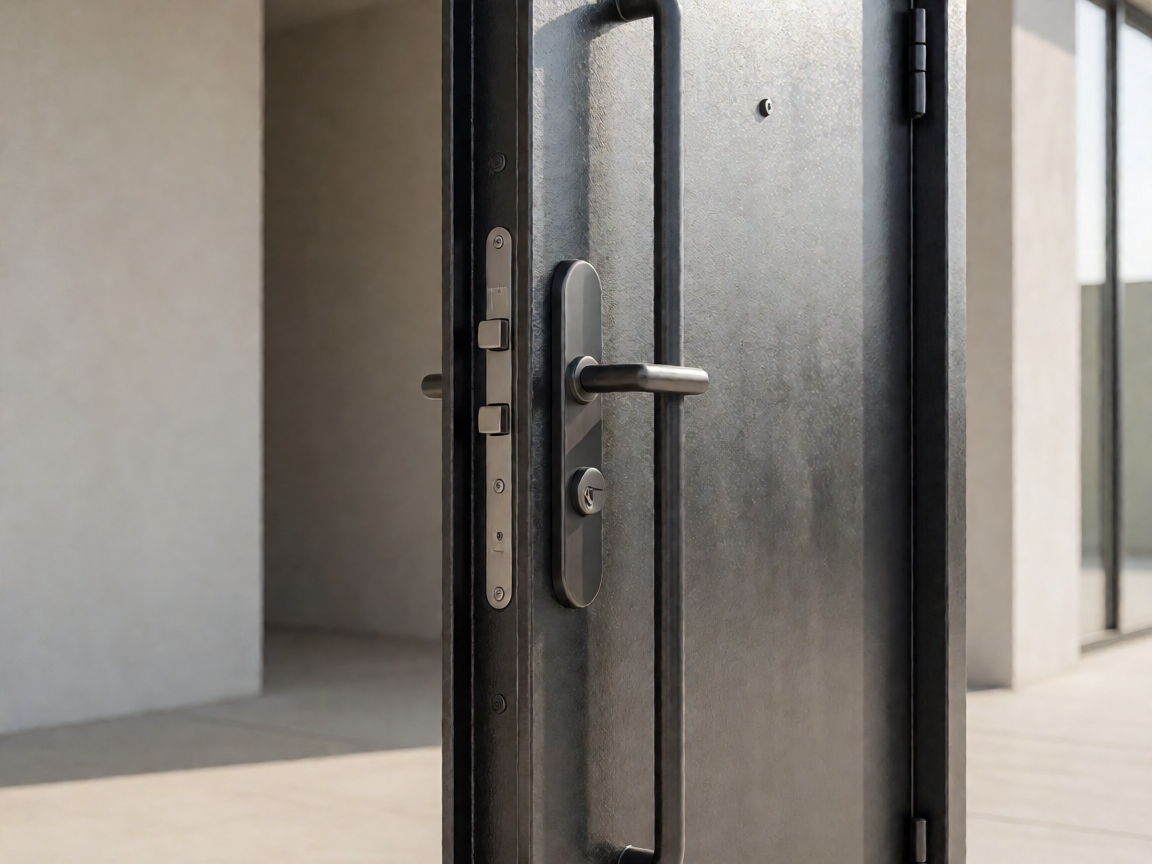
They also integrate well with broader façade planning. A matching custom aluminum courtyard gate and a steel or aluminum entrance door can share the same finish code, so the property reads as one design rather than a collection of parts. Security performance is easier to verify in steel because certified multi-point locking and reinforced frames are widely tested to recognised standards.
Custom Options and How They Affect Price
- Finish and colour — standard RAL powder coat is the baseline; wood-grain, brushed or PVDF finishes cost more.
- Opening direction — left or right hand, inward or outward. Non-standard swing usually adds cost.
- Smart locking — a smart fingerprint lock with keypad, app control or remote release adds both hardware and wiring cost.
- LED decoration — integrated lighting in the frame or handle is a popular upgrade for evening curb appeal.
- Transom lintel — a fixed transom above the door increases frame complexity but improves proportions on tall openings.
- Non-standard sizing — custom fabrication is often necessary for renovation work where the existing opening is irregular.
Buying and Selection Tips
- Send measured opening drawings, wall construction type and exposure conditions with your enquiry. Vague briefs produce unreliable quotes.
- Ask for the specification in numbers — sheet thickness, frame wall thickness, filling type, lock points, coating system and warranty terms.
- Confirm the security and corrosion standards the product is tested to, and request test reports rather than verbal assurances.
- Request a finish sample before production for large orders; colour matching matters on visible façades.
- Clarify what is included: frame, hardware, installation anchors, freight, and who handles on-site adjustment.
- Check lead times and packing method, especially for sea freight, since transit damage is a common hidden cost.
Conclusion
Door prices vary because the specification varies. Material grade, sheet and frame thickness, internal filling, glazing, locking hardware and coating system are the real cost drivers — not the label on the brochure. If you compare suppliers on those specific points, the quotes stop being confusing and start being comparable. For villa projects, decide early whether galvanized steel, stainless steel or an aluminum system such as a cast aluminum villa door best fits your climate and maintenance expectations, then specify it precisely. That single step usually saves more money than any negotiation.
Meta description: Learn what drives steel security door prices — material grades, frame and plate thickness, filling, glazing, locks and custom options — before you compare quotes.