Door Frames: Repair Options for Common Damage
Door Frames: Repair Options for Common Damage
Damaged door frames are a common concern for villa owners, home builders, architects, and renovation contractors. Whether it’s rot from moisture, rust on steel, warping from heat, or cracks from impact, a failing frame compromises security, energy efficiency, and curb appeal. Many worry about costly replacements, matching existing finishes, or finding a frame that fits custom openings. This guide covers practical repair options for common damage, plus what to look for when upgrading to a low-maintenance, rust-resistant system. We’ll also explain how specifications like frame thickness, plate thickness, and filling influence long-term performance.
Core Material Introduction
The repair approach depends heavily on the frame material. Here’s how to handle the most common types:
- Wood frames: Susceptible to rot, insects, and swelling. Minor rot can be dug out, treated with wood preservative, filled with epoxy, sanded, and repainted. For larger sections, splice in new wood using dowels and exterior-grade glue. Keep in mind that wood requires regular maintenance in wet or humid climates.
- Aluminum frames: Naturally rust-resistant but can dent, scratch, or corrode in coastal salt air. Small dents can be filled with aluminum epoxy and sanded smooth. Corrosion should be removed with a wire brush, treated with a conversion coating, and recoated. For structural bends, replacement may be safer than repair.
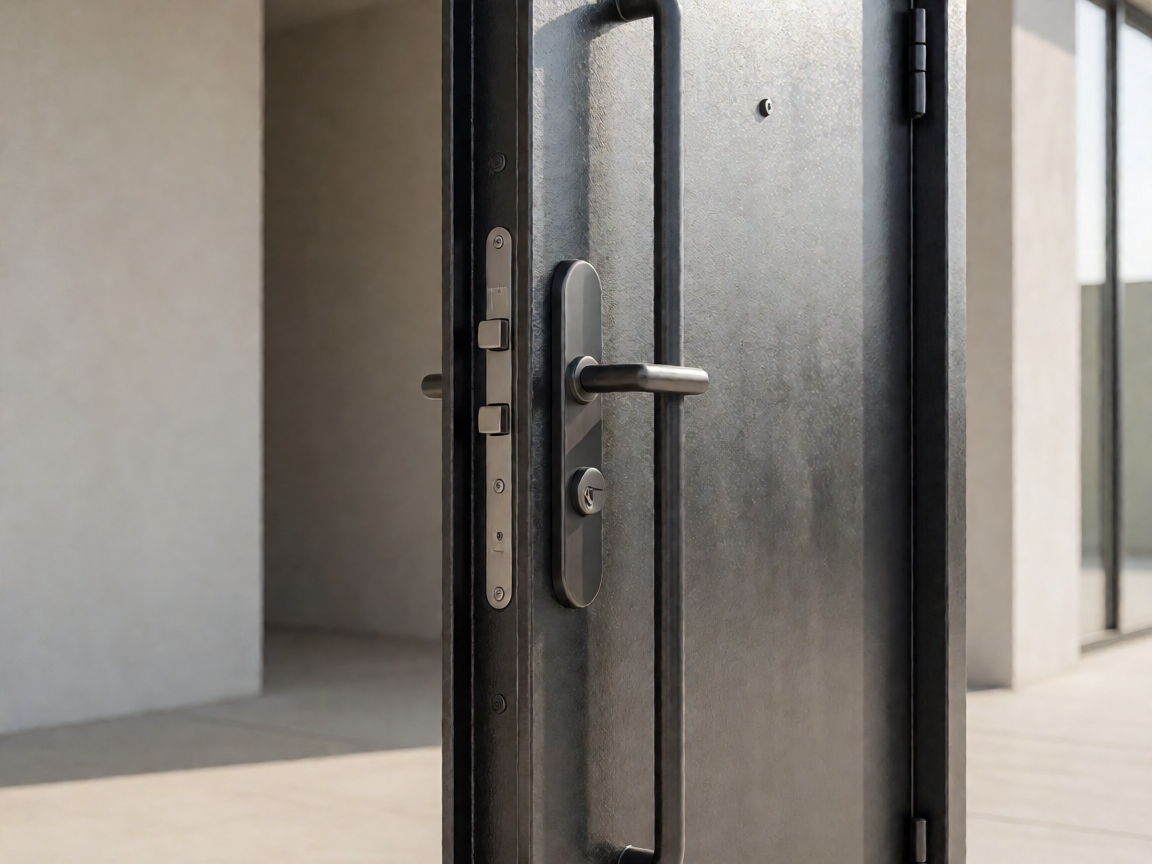
- Steel frames: Strong but prone to rust. Surface rust can be ground off, treated with rust converter, and repainted. Deep rust or holes require welding or section replacement. Always check for compromised structural integrity around hinges and locks.
- Composite frames: Low maintenance, but cracks can appear from thermal movement. Use a flexible epoxy filler, then sand and refinish. Composite is difficult to weld, so extensive damage usually means full replacement.
For villa exterior applications, aluminum and composite frames generally offer the best balance of durability and low maintenance.
Product Structure & Specification Explanation
When repairing or replacing a door frame, understanding its structure helps you avoid repeat failures. Key specifications include:
- Frame thickness: The depth of the frame profile. Thicker frames (e.g., 2.0 mm to 3.0 mm wall thickness for aluminum) resist bending and provide better hinge support. Thin frames often warp under heavy doors.
- Plate thickness: Also called wall thickness or gauge. For aluminum, 1.8 mm to 2.5 mm is common for exterior doors; steel frames may be 1.2 mm to 2.0 mm. Thicker plates improve impact resistance and screw retention.
- Filling: Many high-performance frames use aluminum honeycomb filling inside the profile. This adds strength, thermal insulation, and sound dampening without excessive weight. If the filling is crushed or waterlogged, the frame may need replacement.
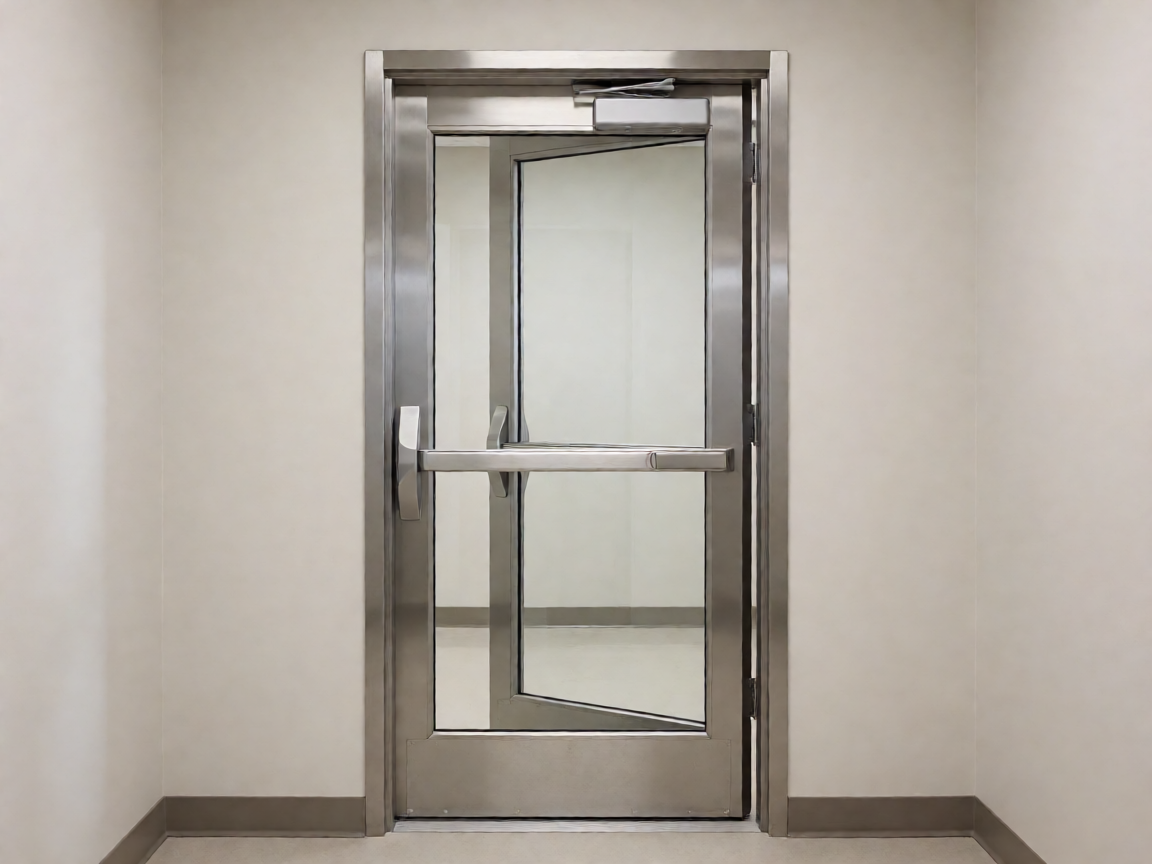
- Glass: For glass spliced exterior doors, the frame must support glass weight and allow proper drainage. Cracked glass should be replaced, and seals checked for leaks that can damage the frame.
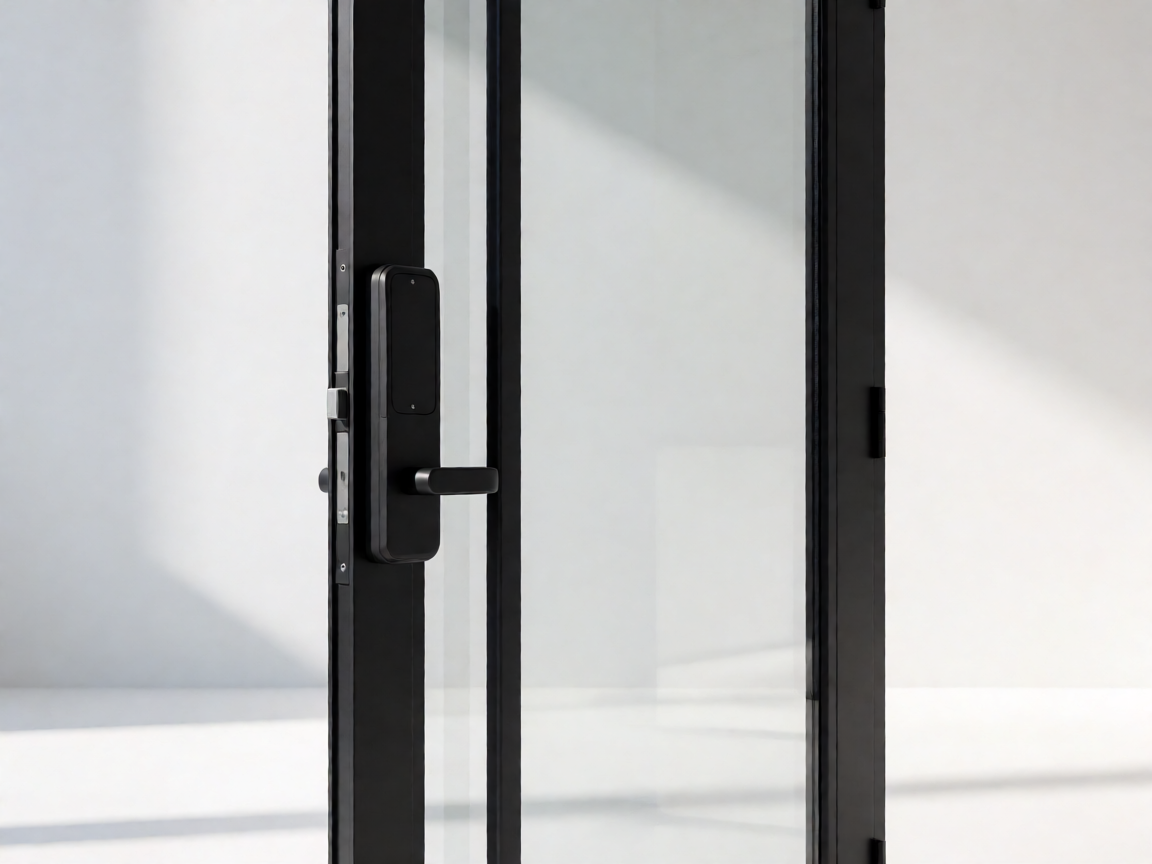
- Lock system: Damage around the lock pocket is common. Reinforce with a metal plate or replace the frame section. If upgrading, consider a smart fingerprint lock, which requires precise cutouts and stable frame material.
Repairing a frame without respecting these specifications often leads to misalignment, security gaps, and premature failure.
Key Advantages for Villa Exterior Applications
Villa exterior doors face intense sun, rain, wind, and security risks. The right frame material and repair strategy deliver clear advantages:
- Rust resistance: Aluminum and cast aluminum villa door frames resist corrosion far better than steel or untreated wood, especially in coastal or humid regions.
- Low maintenance: Powder-coated aluminum needs only occasional cleaning. Repairs are straightforward with epoxy fillers and touch-up paint.
- Security: A solid frame with proper thickness and a reinforced lock area deters forced entry. Pairing with a smart fingerprint lock adds convenience and audit trails.
- Custom sizing: Villas often have non-standard openings. Custom aluminum courtyard gate frames and matching door frames can be fabricated to exact dimensions, reducing gaps and installation headaches.
- Weather sealing: Quality frames include gaskets and thermal breaks. Repairing or replacing damaged seals restores energy efficiency.
For glass spliced exterior doors, aluminum frames handle thermal expansion better than wood, reducing glass stress cracks.
Available Custom Options
When damage is beyond simple repair, replacing the frame—or the entire door system—opens up custom options that improve performance and aesthetics:
- Finish: Powder coating, anodizing, or wood-grain sublimation. Choose matte, satin, or gloss.
- Color: RAL or custom colors to match existing trim, walls, or hardware.
- Opening direction: Left-hand, right-hand, inward, or outward. Ensure the new frame matches the swing and clearances.
- Smart lock integration: Pre-drilled pockets for smart fingerprint locks, keypads, or app-controlled deadbolts.
- LED decoration: Integrated LED strips in the frame or threshold for safety and modern appeal.
- Transom lintel: Add a transom window above the door for extra light and architectural interest. The frame must be reinforced to carry the load.
These options apply to custom aluminum courtyard gates, cast aluminum villa doors, and glass spliced exterior doors, ensuring a cohesive look across the property.
Buying & Selection Tips
Use these practical guidelines to decide between repair and replacement, and to select the right frame:
- Assess damage extent: Minor surface issues (dents, scratches, small rot) can be repaired. Structural cracks, deep rust, or warping that affects alignment usually require replacement.
- Check specifications: Confirm frame thickness, plate thickness, filling type (e.g., aluminum honeycomb filling), glass compatibility, and lock system before buying.
- Match material to climate: Coastal areas: aluminum or cast aluminum. Cold climates: thermally broken aluminum. Historic districts: wood or composite with custom finishes.
- Verify installation requirements: Proper anchoring, shimming, and sealing are critical. Ask for installation guides or professional support.
- Consider long-term cost: A slightly higher upfront cost for a thicker, rust-resistant frame often saves money on repeated repairs.
- Choose a reputable supplier: Look for manufacturers that offer custom sizing, technical data sheets, and warranties. ZW Doors provides engineered door frames and complete exterior door systems for villas and commercial projects.
Conclusion
Door frame damage doesn’t always mean a full replacement. Understanding the material, structure, and specifications helps you choose the right repair method—or upgrade to a more durable system. For villa exteriors, aluminum and cast aluminum frames offer rust resistance, low maintenance, and strong security. When customizing, take advantage of finishes, colors, opening directions, smart fingerprint locks, LED decoration, and transom lintels to match your project. Always prioritize proper thickness, filling, and installation details. With the right approach, you can restore security, appearance, and performance for years to come.
Meta description: Door frames damaged? Learn repair options for rot, rust, warping, and dents. Compare materials, specifications, and custom solutions from ZW Doors.