Steel Security Doors: What to Plan Before Installation
Steel Security Doors: What to Plan Before Installation
Specifying steel security doors for a villa or residential project involves more than choosing a color and a lock. Owners and project teams often raise the same concerns: Will the door resist forced entry and harsh weather? Will the steel rust in coastal or humid climates? How much maintenance will it need? Can it be made to fit a non-standard opening? And who is responsible for ensuring the frame, hardware, and wall interface work together on site? For builders, architects, and renovation contractors in North America, Europe, and Australia, the answers depend on decisions made long before the first fixing is drilled. This guide outlines the material, structural, and installation factors to confirm early.
Core Material: What Steel Security Doors Are Made Of
Steel security doors are not defined by the word “steel” alone. The substrate, coating system, and fabrication quality determine security, corrosion resistance, and service life. For exterior applications, galvanized steel is usually the minimum starting point because the zinc layer provides sacrificial protection at cut edges and minor scratches. Cold-rolled steel may be suitable for protected or inland environments, but it relies more heavily on the paint system. Powder coating, fluorocarbon coating, or a multi-layer paint system should be specified according to the climate and exposure.
Frame and leaf steel should be selected as a system, not as separate items. A heavy leaf on a light frame can cause hinge fatigue and alignment problems. Conversely, a very heavy frame with a thin leaf may not deliver the expected impact resistance. Ask for the steel grade, zinc coating weight, and coating thickness in writing, and confirm that the supplier’s corrosion testing reflects the project’s environment rather than a generic benchmark.
Product Structure and Specifications to Confirm
Before comparing prices, fix the specification. The table below covers the main items that affect fit, security, and long-term performance.
| Component | Typical specification | Planning note |
|---|---|---|
| Frame thickness | 1.5–2.0 mm common; heavier sections for large or high-wind openings | Confirm welded corners, anchor points, and compatibility with the wall type. |
| Door leaf plate | 0.8–1.2 mm typical; thicker plate adds rigidity but also weight | Match leaf weight to hinge capacity and opening size. |
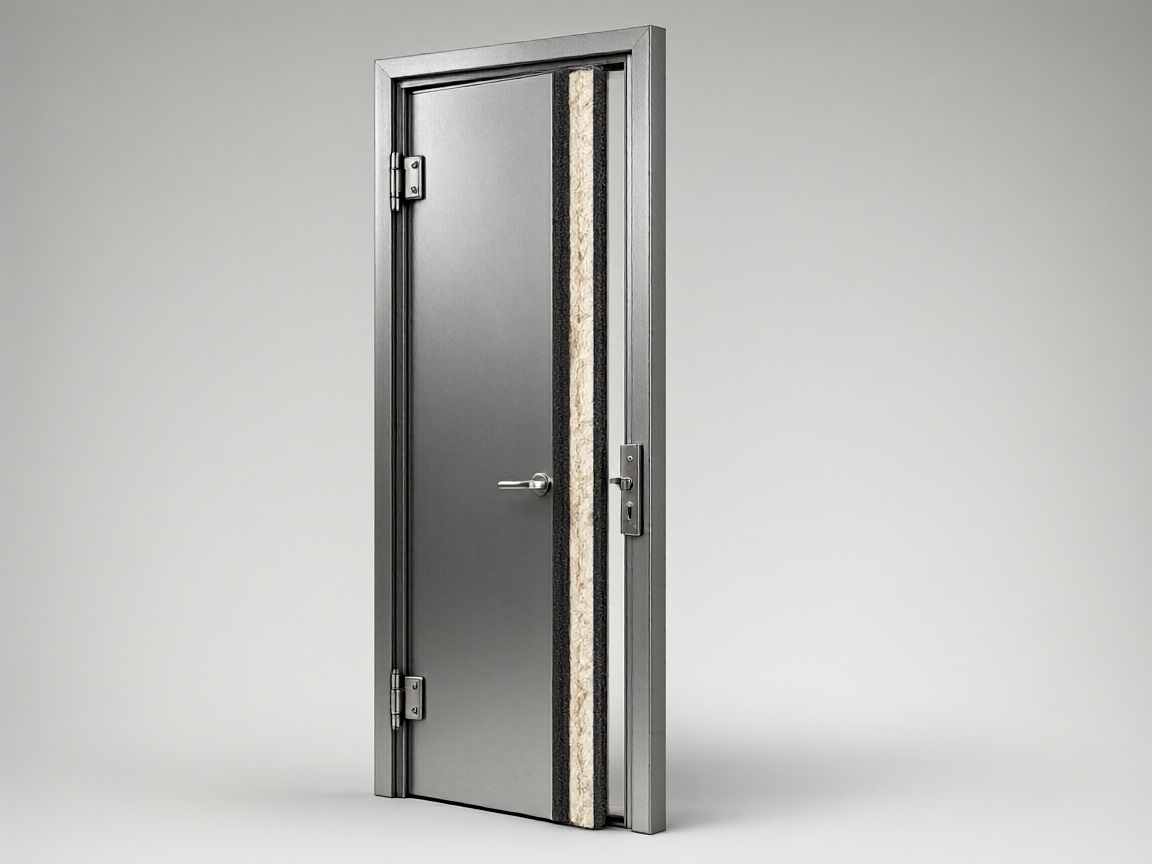
| Filling | Aluminum honeycomb filling, rock wool, or PU foam | Aluminum honeycomb filling helps large leaves stay flat and manageable; rock wool supports thermal and fire performance; PU foam improves insulation. |
| Glass | Tempered or laminated safety glass; thermal break for exterior use | If the design calls for a glass spliced exterior door, confirm that the steel frame can accept the glazing system and drainage details. |
| Lock system | Multi-point locking, anti-drill cylinder, smart fingerprint lock option | Confirm handing, escape requirements, and whether the lock is supplied and tested as a complete system. |
| Hinges and anchors | Heavy-duty adjustable hinges; anchors suited to concrete, masonry, or framed walls | Adjustability is useful during installation and for long-term alignment. |
| Seals and threshold | Weather seals, drainage path, and appropriate threshold height | Exterior doors need a clear water-management strategy, not just a seal. |
Filling choice deserves particular attention. Aluminum honeycomb filling is often used where large door leaves must remain flat and manageable without excessive weight. It does not replace the steel skin, but it helps the leaf resist deformation and gives the door a more solid feel. Rock wool and PU foam serve different priorities, such as thermal performance or fire resistance, so the filling should be selected for the project’s performance targets rather than treated as a generic “insulation” item.
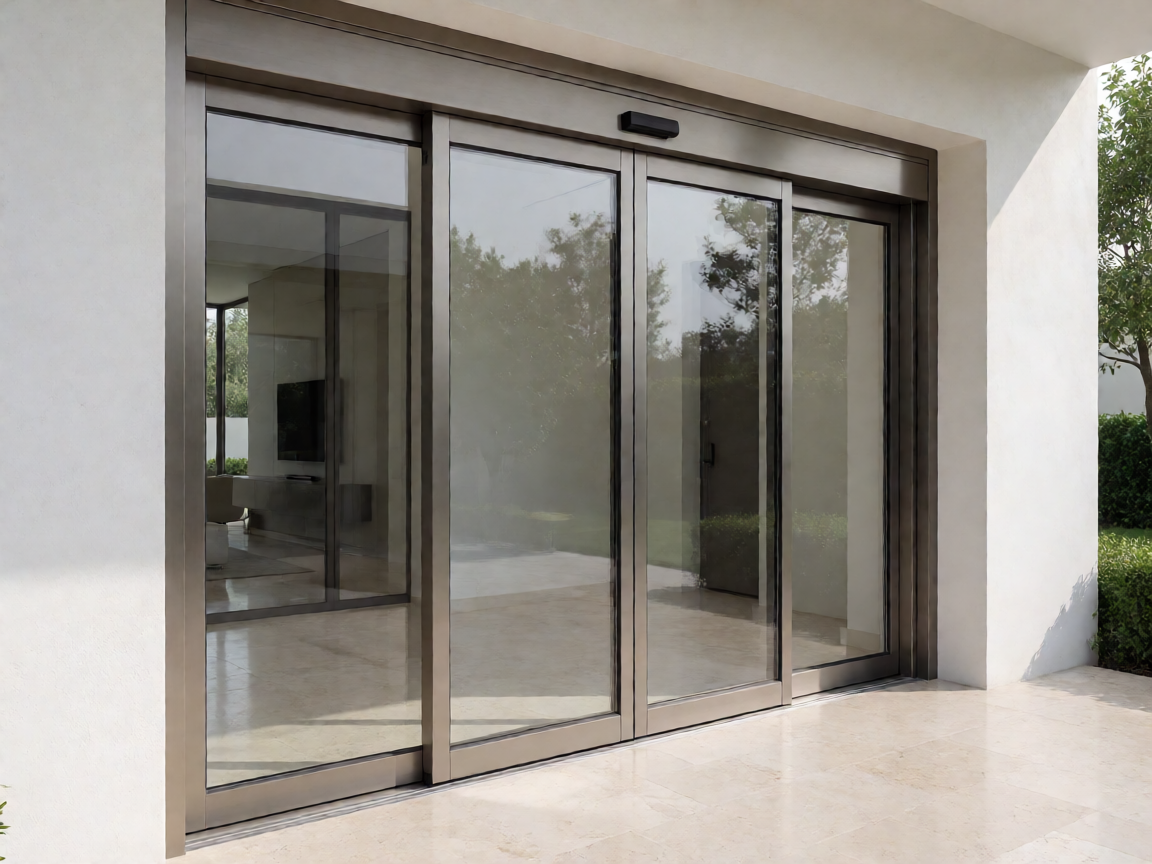
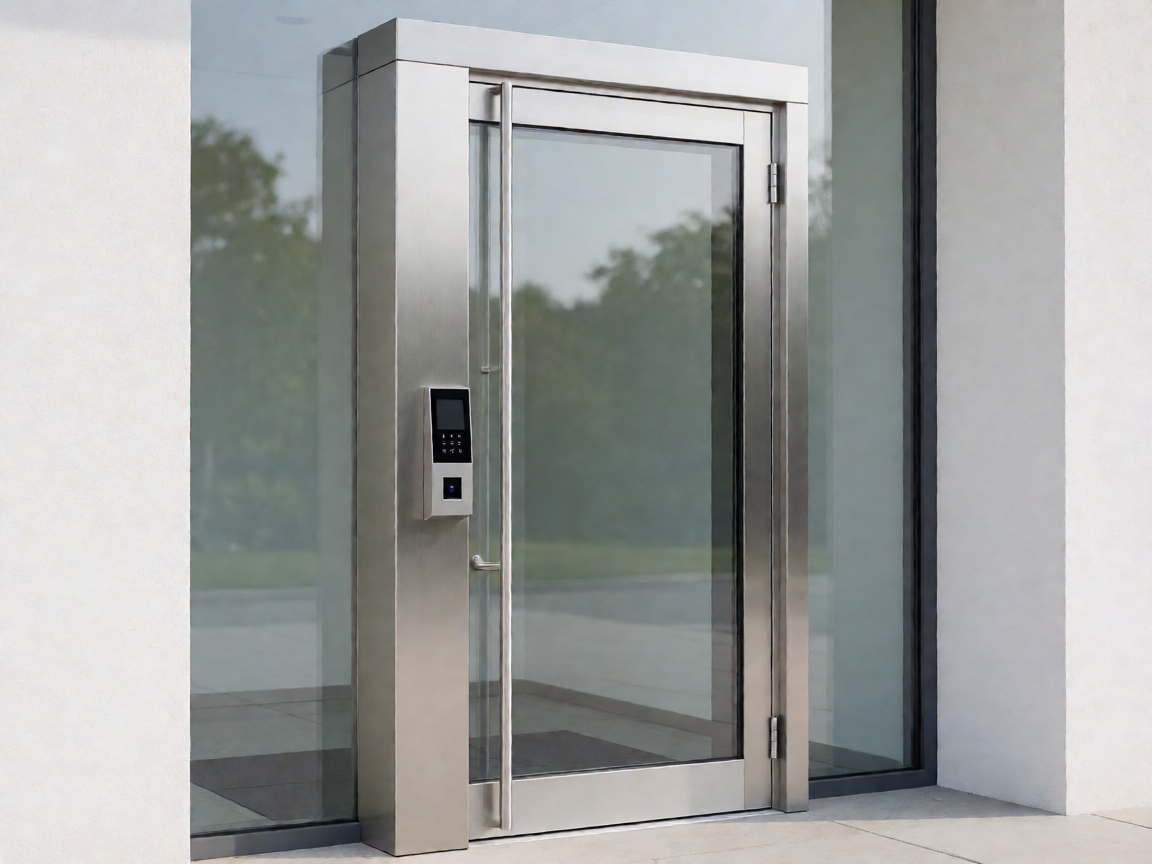
Glass is another area where exterior doors fail if details are ignored. Vision panels and sidelights must use safety glazing, and the frame must include a thermal break and drainage path where condensation or driving rain is possible. A glass spliced exterior door can look elegant, but it requires careful coordination between the steel frame, glass supplier, and installer. The lock system should also be specified as a complete assembly: multi-point locking, cylinder protection, and a smart fingerprint lock option should be tested together, not selected independently.
Key Advantages for Villa Exterior Applications
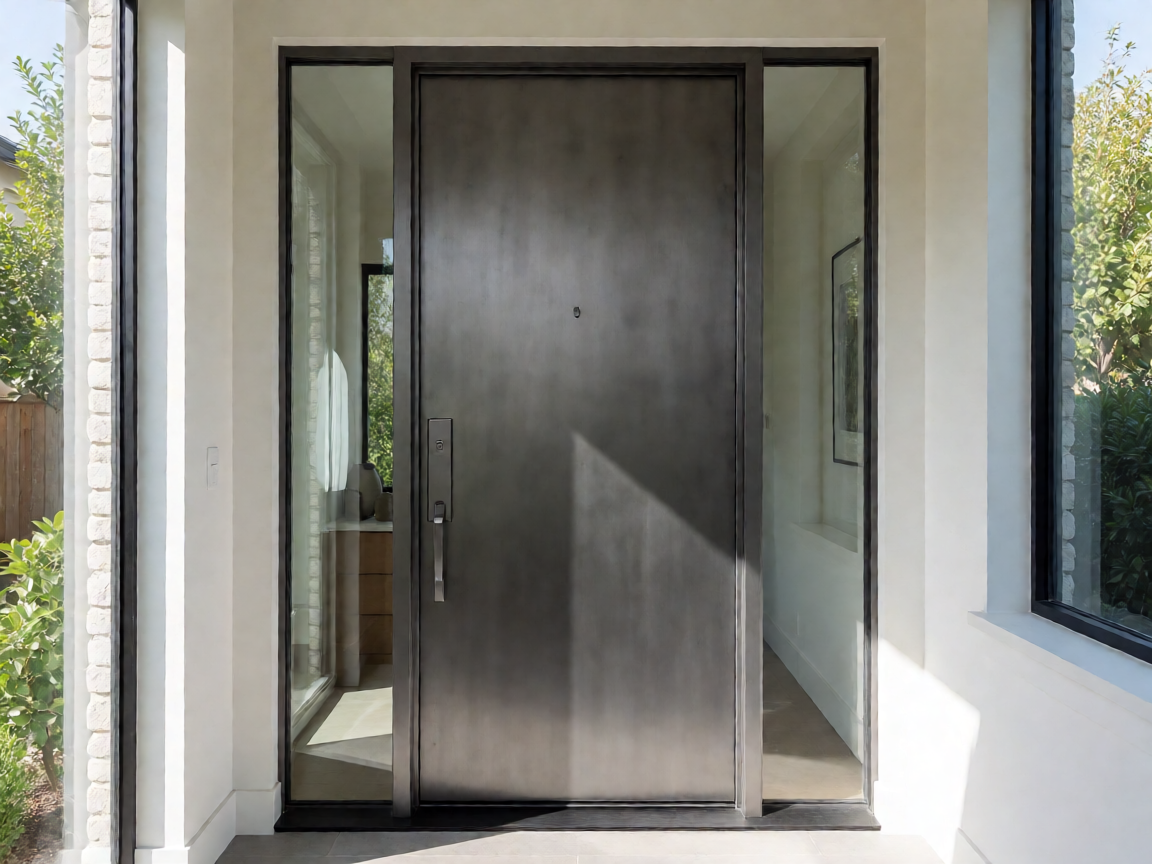
Steel security doors offer a practical balance of strength, durability, and low maintenance when the specification is correct. For villa entrances, they provide a robust primary security layer that can be finished to match the architecture. Galvanized steel with a quality coating system resists rust better than untreated steel, and powder-coated surfaces are straightforward to clean. Unlike timber, steel does not swell or shrink with humidity, which helps the door stay aligned over time.
For a coordinated exterior, the steel security door can be planned alongside a custom aluminum courtyard gate or cast aluminum villa door so that finish, hardware style, and sightlines read as one design language. Steel does not suit every aesthetic, but in modern and transitional villas it can provide a secure entrance without the maintenance cycle associated with natural wood. The key is to treat the door as part of the building envelope, not as a standalone product.
Available Custom Options
- Finish: powder coating, fluorocarbon coating, or textured systems for coastal and high-UV environments.
- Color: standard RAL ranges or project-specific colors matched to adjacent gates and cladding.
- Opening direction: left- or right-hand, inward or outward, single or double leaf, with confirmed clearance for hinges and hardware.
- Smart lock: smart fingerprint lock, keypad, or app-based access where the project requires it.
- LED decoration: optional lighting for entrance visibility and architectural detail.
- Transom lintel: for taller openings, a transom or lintel can improve proportions and support the frame structure.
- Glass and glazing: vision panels, sidelights, or glass spliced exterior door designs with safety glazing.
Buying and Selection Tips
- Measure the structural opening, not the existing door. Confirm wall type, finish floor level, and whether the frame will be anchored through the jamb or into the wall reveal.
- Match the corrosion specification to the climate. Coastal, humid, and industrial environments require a higher coating and galvanizing standard than dry inland sites.
- Ask for test reports covering security, wind load, water tightness, and thermal performance where relevant. Generic certificates are less useful than reports for the specified assembly.
- Confirm installation responsibilities. Decide who supplies anchors, sealant, backer rod, and final touch-up, and who verifies the frame is plumb and square before the door is hung.
- Plan protection during construction. Steel doors installed before wet trades are finished can be damaged by mortar, moisture, and site traffic.
- Check lead times, replacement parts, and warranty terms in writing. A good door can still fail if the hardware or finish support is unavailable.
Conclusion
Successful steel security door projects are planned around material specification, frame and leaf compatibility, filling choice, glazing details, and a clear installation sequence. Owners should confirm security and corrosion performance for their climate; builders and renovation contractors should lock down dimensions and site responsibilities; architects should coordinate the door with the surrounding entrance design. When these decisions are made before ordering, steel security doors deliver dependable performance with fewer callbacks after handover.