Access Control Doors: Price Factors for Entry Systems
Access Control Doors: Price Factors for Entry Systems
Specifying an entry system for a villa or custom home often raises the same concerns: Will the door resist forced entry and severe weather? Will the finish rust, fade, or need frequent repainting? How much maintenance will it require? Can it be sized to an existing opening, and who is responsible for installation? For builders, architects, and renovation contractors, these questions sit alongside budget pressure. Access control doors vary widely in price because material grade, structural thickness, glazing, locking technology, and customization all affect manufacturing and installation costs. This guide breaks down the main cost drivers so you can compare quotes with confidence and select a system that fits the project, not just the lowest bid.
Core Materials and Their Cost Impact
The material specification is the first major price driver. Exterior entry systems are commonly made from extruded aluminum, cast aluminum, steel, or solid wood. For villa applications, aluminum alloy frames are popular because they resist rust and corrosion without the heavy maintenance required by steel or timber. A typical marine-grade or architectural aluminum alloy, such as 6063-T5, offers good strength and extrusion quality. Higher alloy purity, tighter dimensional tolerances, and thicker walls increase cost but improve structural performance and finish durability.
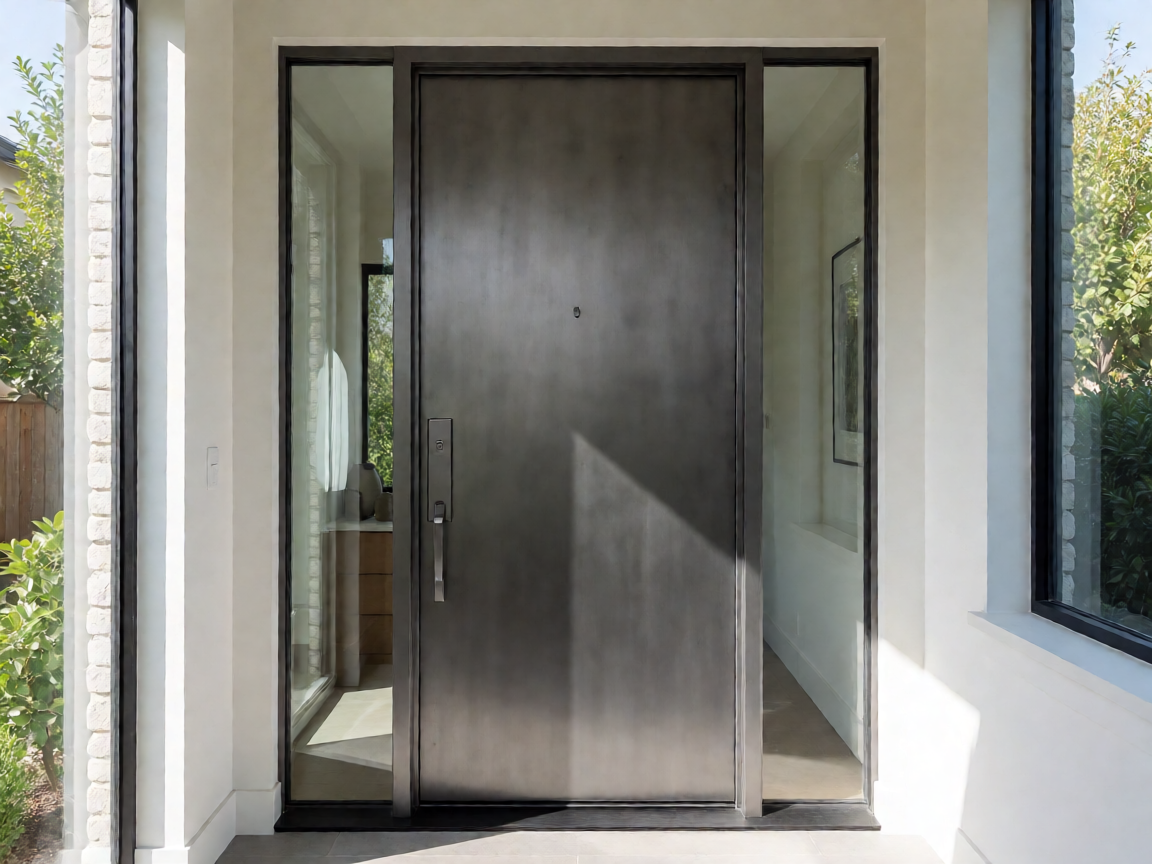
Decorative panels also influence price. A cast aluminum villa door uses cast panels that can reproduce deep relief patterns and classic detailing. Complex casting, hand finishing, and multi-layer coatings add cost compared with flat or pressed panels. Cheaper alternatives may use thinner infill panels or lower-grade aluminum, which can affect rigidity, dent resistance, and long-term appearance. When comparing quotes, ask for the alloy grade, panel type, and coating system in writing. A low unit price often reflects reduced material thickness or a simpler finish that may not hold up in coastal or high-humidity environments.
Product Structure & Specification Explained
Two doors can look similar in a photo but differ significantly in structure. The following components have a direct effect on price and should be reviewed line by line in any quotation.
| Component | Typical Specification | Price Effect |
|---|---|---|
| Frame thickness | 1.8–2.5 mm for standard residential; 2.5–3.0 mm for heavy-duty or large openings | Thicker frames use more aluminum and require stronger hardware; cost rises accordingly. |
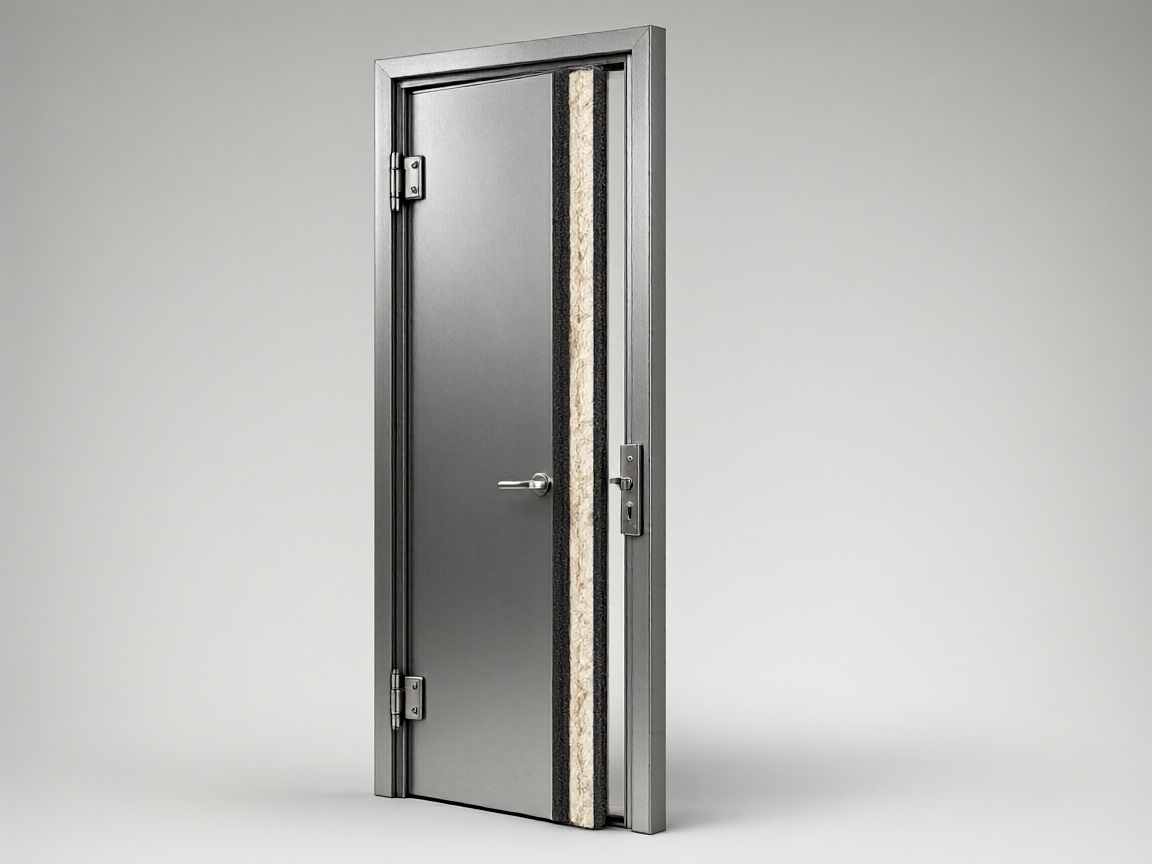
| Plate or panel thickness | Cast aluminum panels commonly 8–12 mm; door leaf thickness often 70–90 mm | Thicker panels improve rigidity and security but increase weight, hinge requirements, and freight cost. |
| Filling | Aluminum honeycomb, polyurethane foam, or mineral wool | Aluminum honeycomb filling offers a strong strength-to-weight ratio and dimensional stability; it costs more than simple foam but reduces deflection in large leaves. |
| Glass | Tempered laminated glass, 6+6 mm or 8+8 mm, optional Low-E coating | Laminated safety glass, thicker panes, and thermal coatings add cost but improve security, insulation, and acoustic performance. |
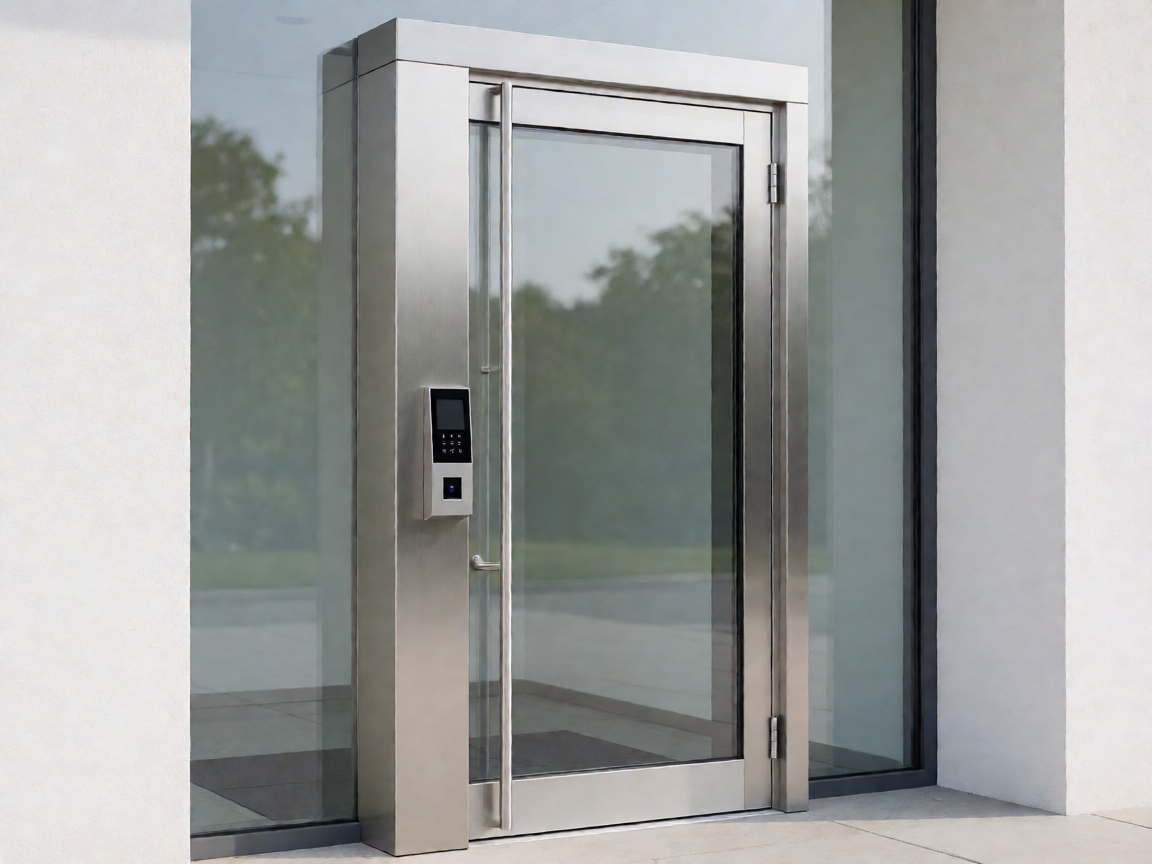
| Lock system | Mechanical multi-point lock or smart fingerprint lock with keypad and app access | Multi-point locking improves security; electronic access control adds hardware, wiring, and commissioning cost. |
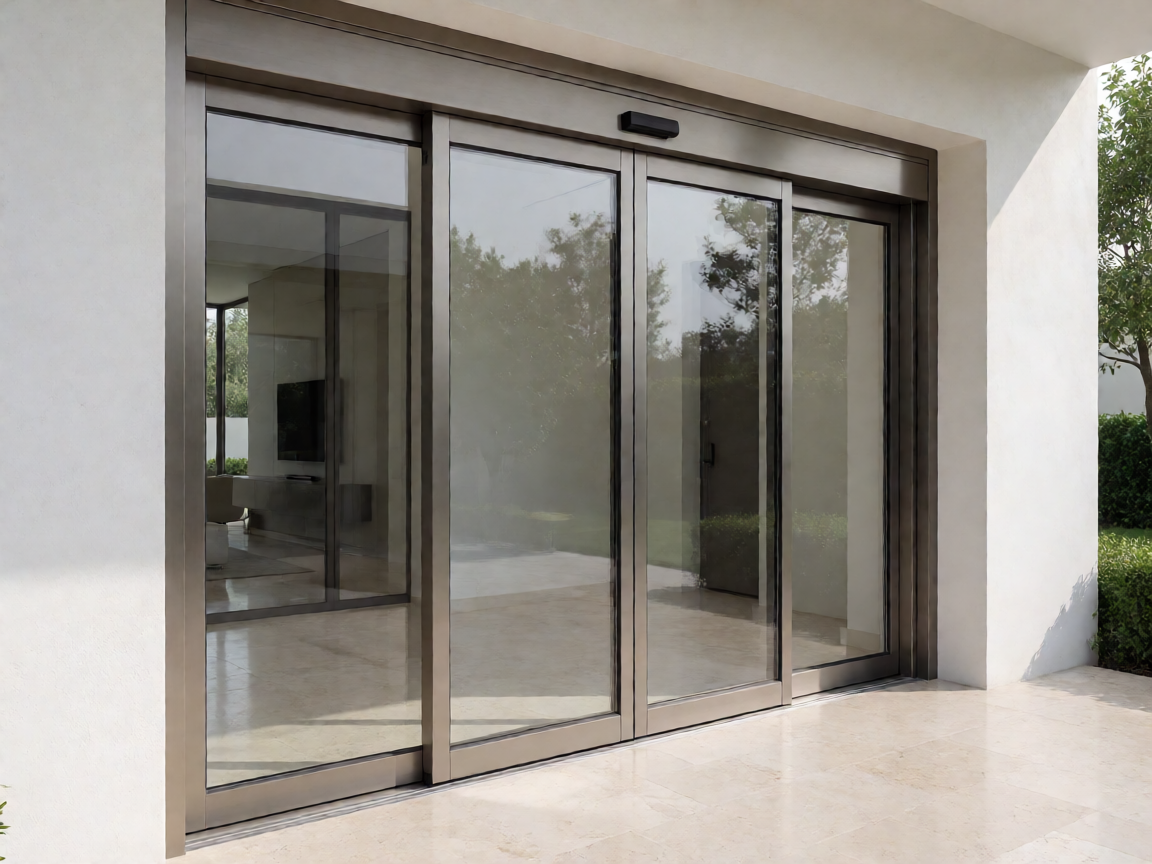
A glass spliced exterior door combines aluminum framing with large glass sections to increase daylight and visual openness. This design requires careful engineering because glass weight, wind load, and thermal movement affect the frame and hardware. The type of glass, number of splices, and complexity of the frame connections all change the final price.
Key Advantages for Villa Exterior Applications
Villa exteriors demand more than visual appeal. An entry system must handle rain, wind, salt air, temperature swings, and daily use while maintaining security. Aluminum systems with proper coatings resist rust and corrosion, which is a major advantage in coastal regions and humid climates. Powder-coated or fluorocarbon finishes reduce repainting and routine maintenance, helping owners avoid the recurring cost of refinishing wood or repairing steel.
Security is another practical benefit. A well-built custom aluminum courtyard gate or entry door can incorporate a reinforced frame, multi-point locking, heavy-duty hinges, and a smart fingerprint lock that limits keys and improves access control. For larger properties, the entry system often works with intercoms, cameras, and gate automation. Good structural design also supports thermal insulation and weather sealing, reducing drafts and water intrusion. For architects and builders, the main advantage is predictability: when frame thickness, filling, glass, and hardware are specified correctly, the installed system performs as intended instead of requiring callbacks.
Available Custom Options
Customization is often the difference between a standard door and a fitted entry system, but each option adds cost. Common choices include:
- Finish: powder coating, fluorocarbon coating, anodized aluminum, or wood-grain transfer. Fluorocarbon finishes typically cost more but offer better color retention in harsh sunlight.
- Color: standard RAL colors or custom-matched shades. Custom colors may require minimum order quantities and longer lead times.
- Opening direction: inward or outward swing, left or right hand, single or double leaf. Unusual configurations may require custom hinges and frame reinforcement.
- Smart lock: a smart fingerprint lock with PIN code, card, app, or integration with a home access system. Electrical preparation and commissioning affect installation cost.
- LED decoration: low-voltage LED strips for handles, frames, or pathway accents. Specify IP-rated components for exterior use and plan a power source during rough-in.
- Transom lintel: a fixed glass or panel section above the door. This increases height, daylight, and architectural presence, but requires additional framing and structural review.
For a cast aluminum villa door or a glass spliced exterior door, request shop drawings before production. Custom sizing, panel layout, and hardware placement should be confirmed against the actual opening, not only against nominal dimensions.
Buying & Selection Tips
Start with accurate site measurements. Check the opening width, height, wall thickness, and structural support. Large or heavy leaves need proper anchorage and hinge reinforcement; a beautiful door that is installed into a weak substrate will not perform. Confirm whether the quoted price includes removal of the old door, site preparation, anchoring, sealing, hardware installation, and commissioning of any access control devices.
Compare quotations on a like-for-like basis. Ask for the aluminum alloy, frame thickness, panel thickness, filling type, glass build-up, lock model, finish system, and warranty terms. Verify that the smart lock or electronic access control meets local electrical and building requirements. For exterior systems, confirm drainage details, weather stripping, and corrosion protection for fixings. Freight, customs duties, and lead times can significantly affect the landed cost, especially for international projects. A slightly higher purchase price may be justified by lower maintenance, better security, and fewer installation callbacks.
Conclusion
Access control doors are not priced by size alone. Material grade, frame and panel thickness, aluminum honeycomb filling, glass specification, locking technology, finish, customization, and installation scope all shape the final cost. By reviewing these factors early, villa owners, builders, architects, and renovation contractors can avoid ambiguous quotes and select an entry system that balances security, weather resistance, low maintenance, and long-term value.