Access Control Doors: Installation Considerations for Secure Entry
Access Control Doors: Installation Considerations for Secure Entry
Villa owners, builders, architects, and renovation contractors face the same entry-door questions: will the door resist forced entry, how will it perform in coastal humidity or freezing winters, how much maintenance will it need, and can it be made to fit a nonstandard opening without compromising installation? Access Control Doors solve part of that problem by integrating the locking hardware with the door structure, but the final result depends on specification and site coordination. A door that looks secure on a drawing can still fail at the frame anchor, the lock strike, or the cable entry. The practical guidance below focuses on what to verify before fabrication and what to plan before the first fixing is drilled.
Core Materials That Determine Security and Service Life
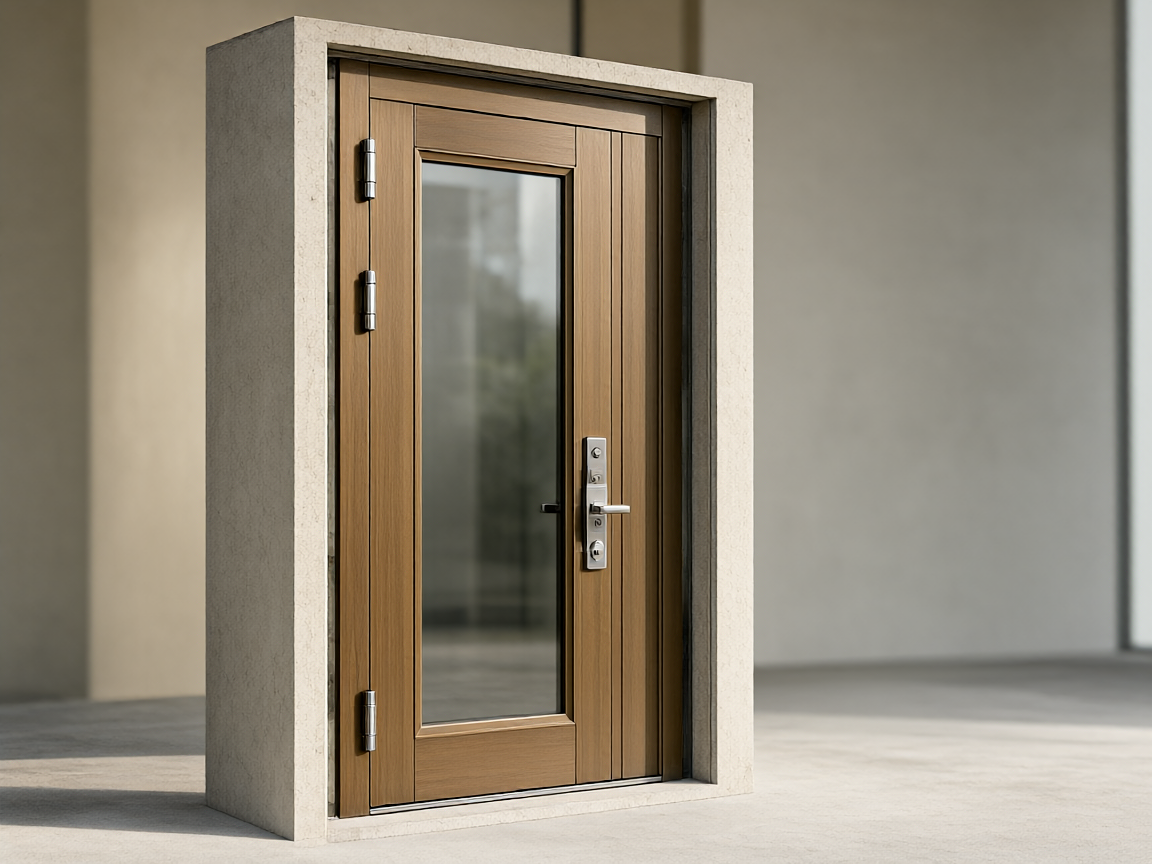
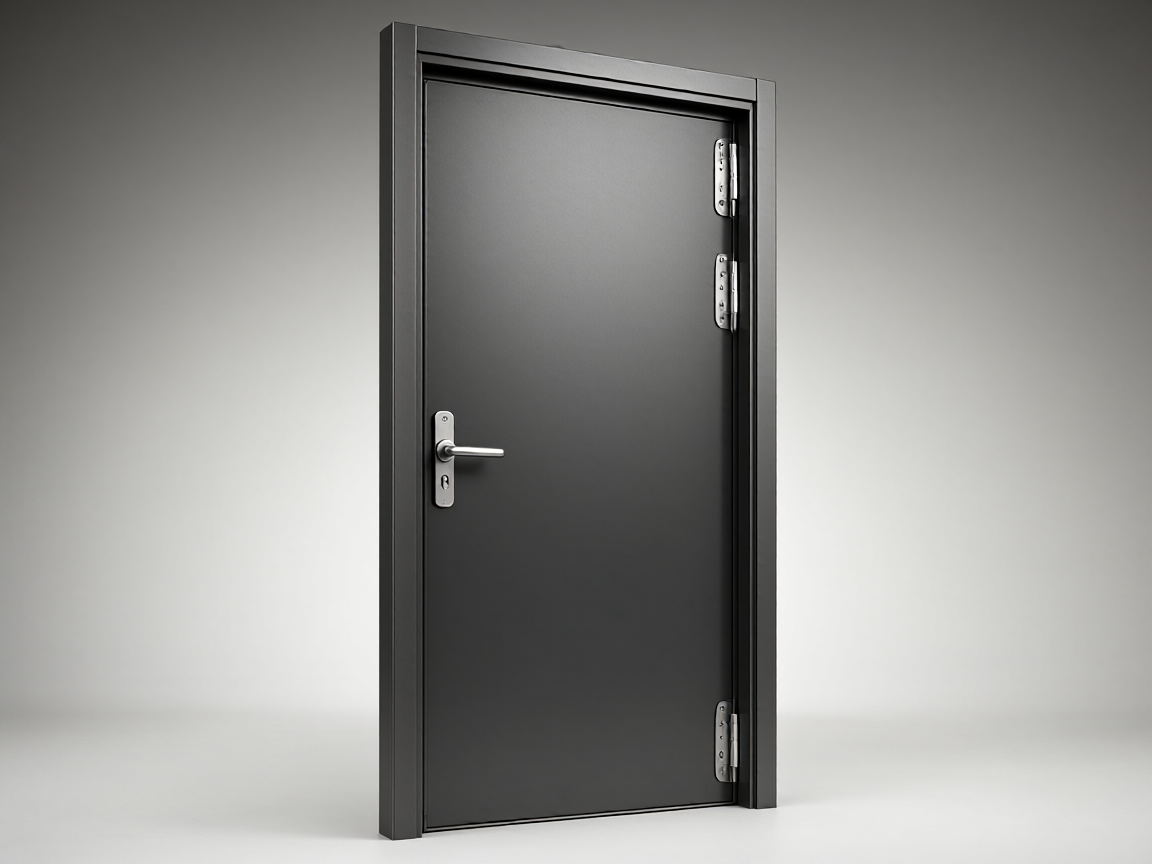
A secure exterior door is a system of materials, not a single panel. For most villa and courtyard applications, the leaf and frame are aluminum alloy, typically 6063-T5 for extruded profiles or cast aluminum for decorative panels. Aluminum offers corrosion resistance, dimensional stability, and a favorable strength-to-weight ratio, which matters on wide leaves and double-leaf entrances. A cast aluminum villa door can carry deeper relief and thicker decorative sections than folded sheet, but casting quality, wall thickness, and internal reinforcement must be checked.
Glass areas should use laminated tempered glass, not ordinary tempered glass alone, because the laminated interlayer helps hold the pane together after impact. Hardware should be stainless steel, preferably grade 304 for general exposure and grade 316 for coastal sites. Powder coating or PVDF finishes protect the aluminum, but cut edges, fixing points, and concealed cavities need proper sealing. Avoid mixing untreated steel fasteners with aluminum components; galvanic corrosion can loosen anchors and stain the finish within a few seasons.
Product Structure and Specifications to Verify Before Ordering
Ask for a component-level specification, not just an elevation drawing. The table below lists the items that most often cause callbacks after installation.
| Component | What to verify | Practical specification note |
|---|---|---|
| Frame thickness | Main frame and subframe profile wall thickness | Confirm minimum wall thickness for the door size and wind load; thin profiles distort when anchored |
| Leaf plate thickness | Face sheet or cast panel thickness and reinforcement | Specify thickness at hinges and lock areas; add internal stiffeners on wide leaves |
| Filling | Core material, density, bonding, and edge sealing | Aluminum honeycomb filling should be bonded to both skins and sealed against moisture ingress |
| Glass | Glass type, interlayer, gaskets, and drainage | Use laminated tempered glass with continuous glazing gaskets and weep paths |
| Lock system | Lock type, strike, power, fail-safe or fail-secure mode | Confirm smart fingerprint lock functions, mechanical override, and emergency release |
| Hinges and closers | Load rating, adjustment range, and material | Use adjustable stainless hinges rated for the leaf weight; verify closer force for access control |
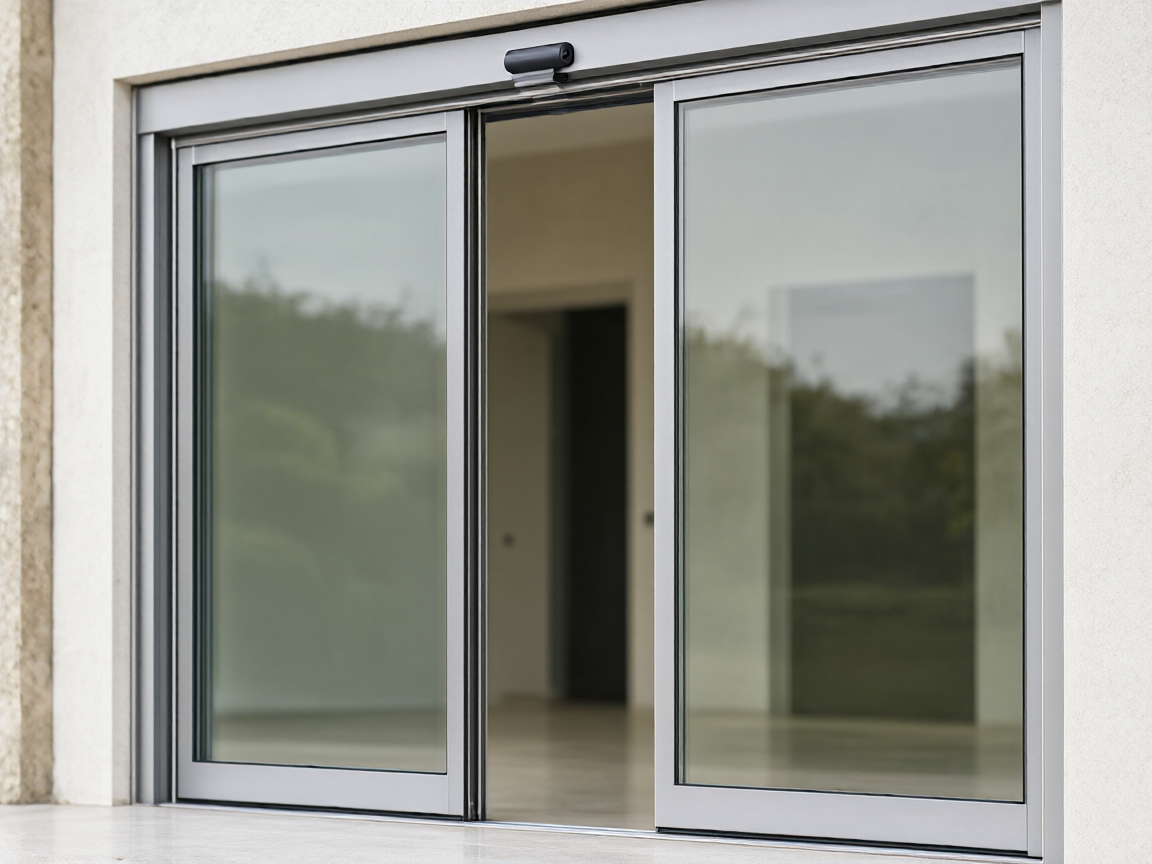
Access control integration needs its own line in the specification. Electric strikes, magnetic locks, request-to-exit devices, and keypads require low-voltage power, backup batteries, and often a separate conduit. Fail-safe locks release power to unlock, which is common for life-safety egress; fail-secure locks remain locked without power. The choice must match the project’s fire and egress requirements, not just convenience.
Key Advantages for Villa Exterior Applications
- Controlled entry with structural security: A reinforced frame, laminated glass, and a tested lock strike make access control doors more resistant to forced entry than a decorative gate with an added keypad.
- Corrosion resistance: Aluminum frames with stainless hardware and proper sealing perform well in coastal and humid climates when cut edges and anchors are protected.
- Low maintenance: Powder-coated or PVDF aluminum needs periodic cleaning rather than repainting; the main checks are hinge adjustment, gasket condition, and drainage.
- Design flexibility: A custom aluminum courtyard gate or glass spliced exterior door can match villa architecture while still accommodating access control hardware and weather sealing.
- Thermal and acoustic comfort: Aluminum honeycomb filling and insulated glass reduce heat transfer and outside noise when the frame and gaskets are detailed correctly.
Custom Options That Affect Installation
Customization changes weight, wiring, or clearances, so every option should appear on the approved shop drawing.
- Finish and color: Confirm RAL color, gloss level, and whether the finish is powder coat or PVDF; touch-up kits should match the production batch.
- Opening direction: Specify inward or outward opening, left or right hand, and single or double leaf. Outward opening doors need clearance for hinges and closers and may conflict with steps or planters.
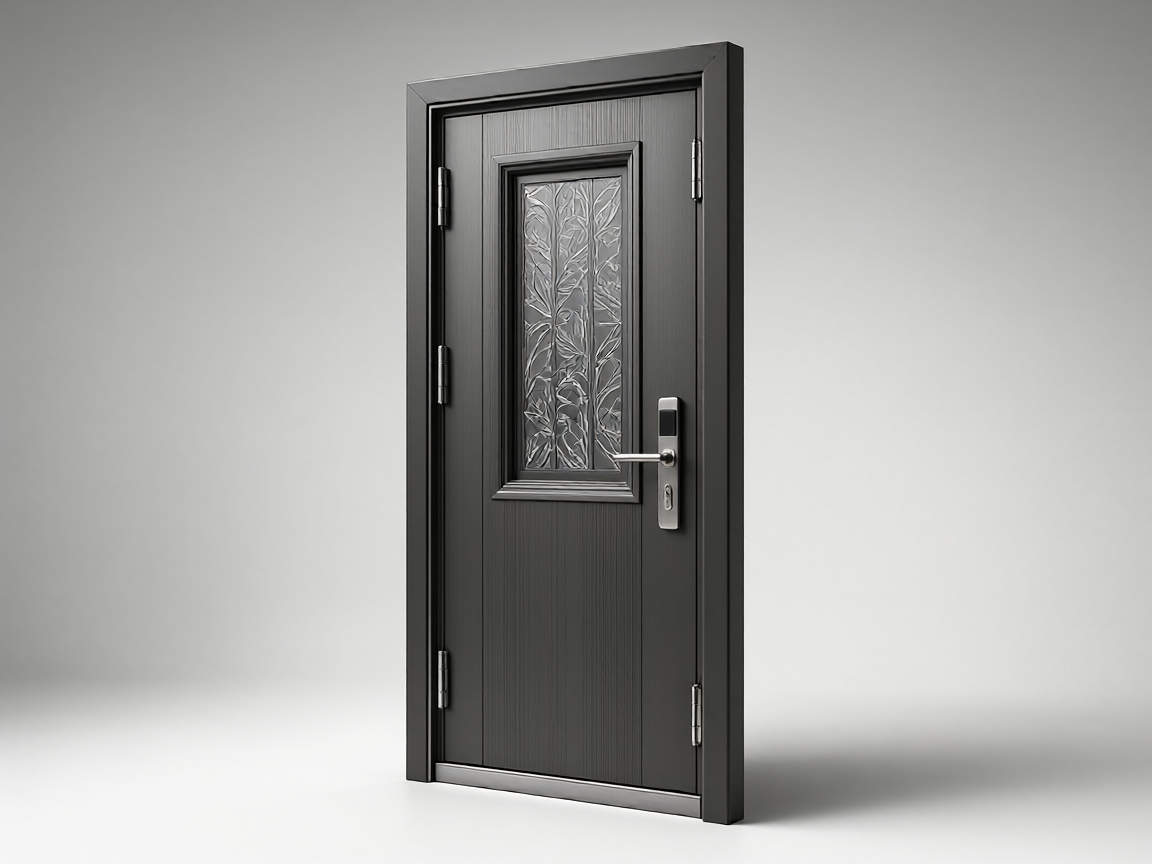
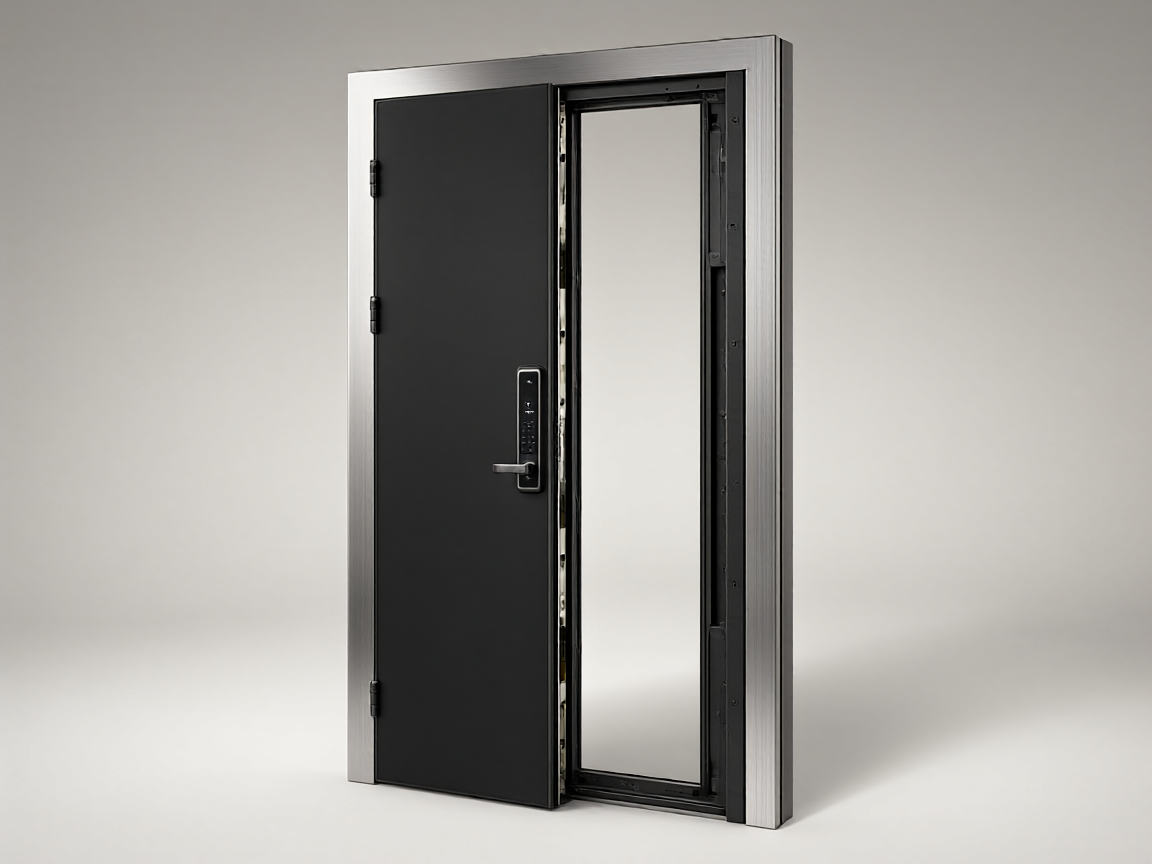
- Smart lock and access control: A smart fingerprint lock may include keypad, RFID card, app control, and mechanical key override. Confirm cable routing, power location, and whether the lock is supplied with the door or by a third party.
- LED decoration: Low-voltage LED strips require a driver, conduit, and a service access point. Plan the transformer location before the frame is fixed.
- Transom lintel: A transom adds height and load; the opening must include a structural header, correct anchorage, and enough clearance for the door closer and glass installation.
- Glass configuration: A glass spliced exterior door may combine decorative cast panels with laminated glass; verify glass sizes, setting blocks, and drainage before fabrication.
Buying and Selection Tips for Contractors and Owners
- Measure the rough opening and substrate: Check plumb, level, and square at multiple points. Masonry, timber frame, and steel frame openings need different anchor strategies.
- Confirm anchor and fixing details: Ask for anchor type, spacing, and edge distance. On thin masonry or cladding, a subframe may be required before the door frame is installed.
- Coordinate power and data early: Access control doors need power for locks, keypads, and LED options. Confirm who supplies the power supply, backup battery, and conduit.
- Require shop drawings and test reports: Review frame sections, lock reinforcement, glass specification, finish warranty, and any security or weather test reports before releasing fabrication.
- Check clearances and drainage: Verify threshold height, door swing, closer clearance, and weep holes. A secure door that traps water will corrode or deform at the base.
- Plan commissioning: Test the smart fingerprint lock, mechanical override, exit device, and alarm contacts after installation. Record user codes and handover settings for the owner.
For access control doors, the lowest bid often excludes the subframe, power supply, or commissioning. Compare quotations on a like-for-like basis, including hardware, finish, glass, installation accessories, and warranty terms.
Conclusion
Access Control Doors are only as reliable as the specification and installation behind them. Start with corrosion-resistant aluminum and stainless hardware, verify frame and leaf construction, and treat access control as part of the door system rather than an add-on. Confirm custom options and wiring on shop drawings, and inspect anchors, drainage, and clearances before handover. Owners and contractors who follow these steps get a secure entry that fits the opening, suits the villa exterior, and remains serviceable for years.