Steel Security Doors: Price Factors to Consider
Steel Security Doors: Price Factors to Consider
For villa owners, home builders, architects, and renovation contractors, steel security doors sit at the intersection of security, appearance, and long-term maintenance. The concerns are practical: Will the door resist forced entry without looking industrial? Will it rust in coastal or humid climates? How much upkeep will the finish require? Can it be made to an exact opening, and who is responsible if the frame does not align during installation? Quotes for steel security doors can vary widely because the visible door leaf is only part of the cost. Steel grade, internal structure, lock system, glass, finish, customization, and installation scope all affect the final price. The only reliable way to judge value is to compare offers on a like-for-like specification.
Core material: what drives the base cost
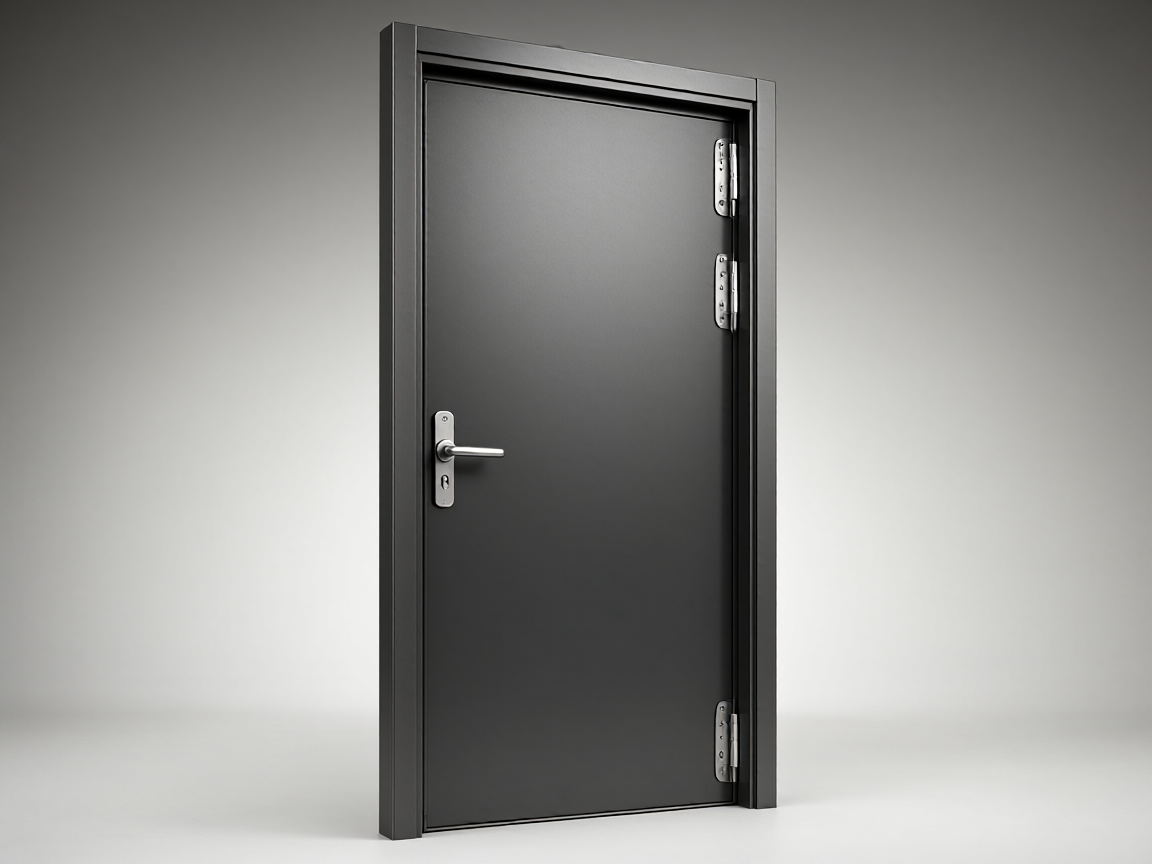
Steel security door pricing starts with the steel itself. Cold-rolled steel is common for structural parts, while galvanized steel is often preferred for exterior applications because the zinc coating provides sacrificial corrosion protection. For coastal projects, higher zinc coating weights or stainless-steel components may be specified. Both raise the initial cost but reduce long-term risk. Powder coating quality also matters: a properly cured coating with adequate thickness resists chipping, scratching, and UV fading better than a thin decorative finish.
Not all “security steel” is equal. A door specified with a 1.2 mm leaf may look similar to a 0.8 mm alternative in a showroom, but it will feel different, perform differently, and cost differently. Buyers should ask for the steel grade, nominal plate thickness, coating system, and corrosion-test information in writing. Where a project calls for a decorative main entrance, a cast aluminum villa door may be compared with steel; the cost drivers are different, but the principle is the same: specification first, price second.
Product structure and specification: where quotes separate
Two steel security doors can share the same color and still differ substantially in price. The components below are the main reasons quotes separate:
- Frame thickness and leaf plate thickness: A reinforced frame and thicker leaf improve rigidity, hinge performance, and resistance to deformation. Ask for actual millimeter figures, not general descriptions such as “heavy duty.”
- Filling material: Aluminum honeycomb filling is lightweight and dimensionally stable. Rock wool or polyurethane foam may be selected for thermal and acoustic performance. The filling affects weight, insulation, and hardware load.
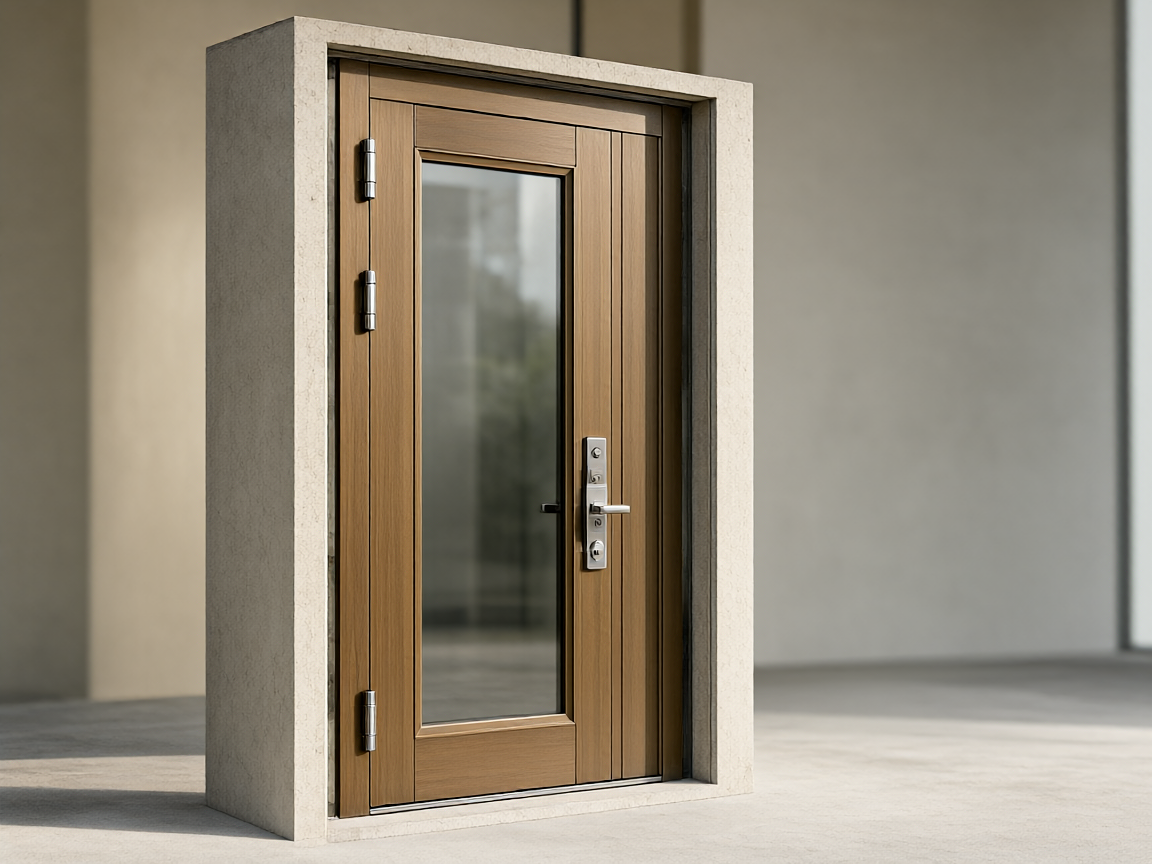
- Glass: Tempered laminated glass adds security and weather resistance but costs more than single glazing. For designs with decorative panels, a glass spliced exterior door configuration requires careful detailing around frames, seals, and drainage.
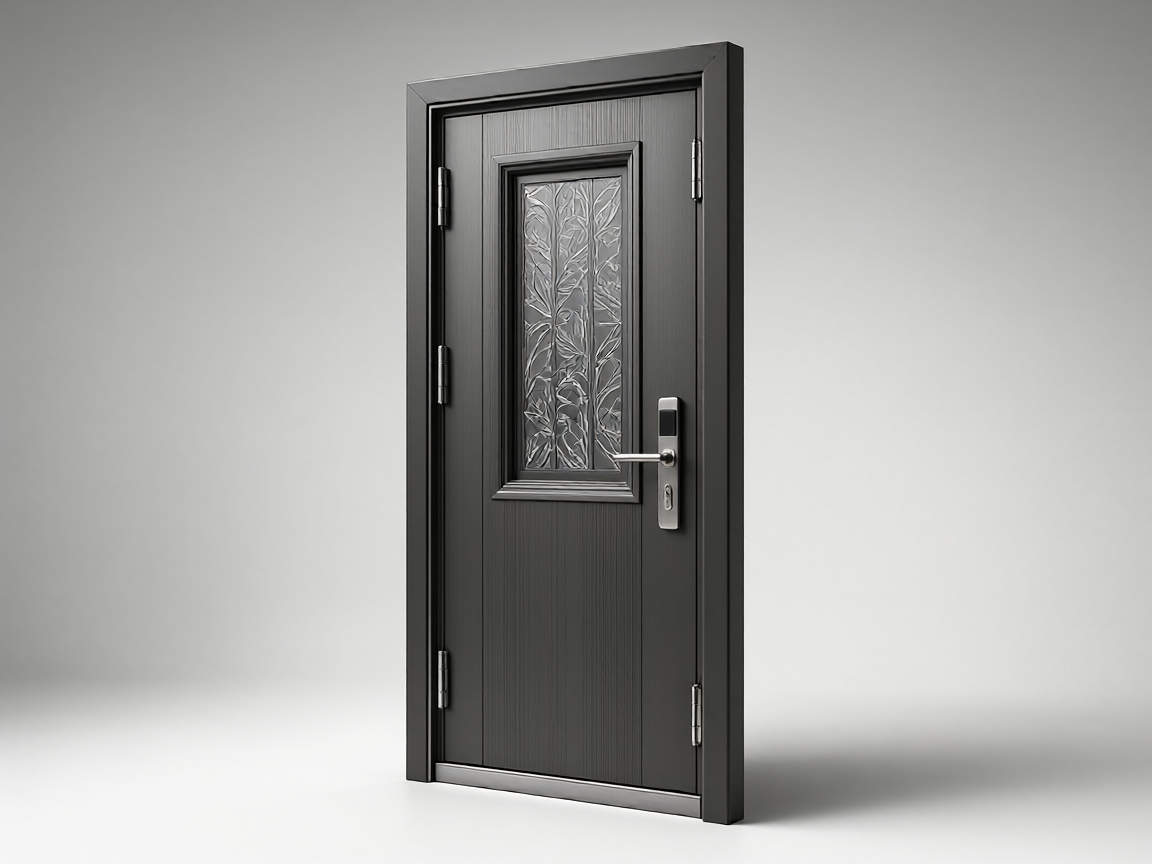
- Lock system: A multi-point locking system with a reputable cylinder costs more than a basic single-point lock. A smart fingerprint lock adds convenience and access control, but it should include a mechanical override and be compatible with the door’s locking points.
- Hinges, anchors, and seals: Heavy-duty hinges, proper expansion anchors, and weather seals are small line items that have a large effect on installation quality and long-term performance.
Request a component-level specification sheet. It makes price differences visible and protects both buyer and supplier during project review.
Key advantages for villa exterior applications
Steel security doors are suitable for villa exteriors when they are specified for the climate and entry condition. Their main advantages are strength, stable operation, and design flexibility. A reinforced frame with multi-point locking provides a high level of forced-entry resistance, while a powder-coated galvanized substrate can deliver low maintenance in most residential environments. With correct detailing, steel doors can integrate with a custom aluminum courtyard gate in color, hardware finish, and architectural rhythm.
For coastal, humid, or high-rainfall areas, corrosion protection should be treated as a primary specification rather than an upgrade. Stainless-steel hardware, drainage-aware thresholds, and high-quality seals reduce the risk of water ingress and finish failure. Steel doors can also support acoustic and thermal requirements when the filling, glass, and perimeter sealing are selected as a system.
Available custom options
Customization is a major price variable, but it is often necessary for villa projects where standard sizes do not fit the opening or design intent.
- Finish and color: Powder-coated colors, matte textures, and wood-grain effects can be matched to surrounding materials. For projects with a cast aluminum villa door at a secondary entrance, finish coordination can create a consistent exterior language.
- Opening direction: Left- or right-hand opening, inward or outward swing, and special hinge arrangements should be confirmed during site measurement.
- Smart access: A smart fingerprint lock, keypad, or app-based entry system can be integrated, provided the lock is suitable for exterior use and has a reliable manual override.
- LED decoration and transom lintel: Integrated lighting and transom lintel details can improve visibility and architectural character, but they require early coordination with electrical work and structural openings.
- Glass and panel design: Decorative glazing, sidelights, and glass spliced exterior door details should be specified with safety glass and appropriate weather sealing.
Buying and selection tips
- Compare the same specification. Ask each supplier to quote steel grade, plate thickness, frame thickness, filling, glass make-up, lock brand or grade, finish system, and installation scope.
- Measure the site before final pricing. Opening dimensions, wall construction, floor level, and clearance affect frame size and installation method. A quote based only on a drawing may change after measurement.
- Clarify what installation includes. Removal of the old door, anchoring, sealing, finishing, crane access, and disposal are common exclusions. Confirm responsibilities before comparing totals.
- Check climate suitability. Coastal and humid projects should prioritize galvanized or stainless components, certified coatings, and drainage details. Low-maintenance claims should be supported by written finish specifications.
- Coordinate exterior elements early. If the entry includes a custom aluminum courtyard gate, confirm color, hardware finish, and opening clearance at the design stage rather than after fabrication.
- Review warranty and spare parts. A clear warranty covering finish, hardware, and lock components is more valuable than a low initial price with limited after-sales support.
Conclusion
The price of steel security doors is not determined by a single number. It reflects the steel specification, internal structure, glass, lock system, custom details, and installation scope. For villa and residential projects, the best approach is to define performance requirements first, request itemized specifications, and compare suppliers on that basis. A door that fits the opening correctly, resists corrosion in its environment, and uses serviceable hardware will usually deliver better long-term value than a lower-priced alternative with hidden compromises. ZW Doors recommends reviewing security, weather resistance, maintenance, and installation responsibilities together before making a final selection.