Commercial & Industrial Doors: Specifications to Review Before Ordering
Commercial & Industrial Doors: Specifications to Review Before Ordering
Specifying commercial & industrial doors for a project that combines public access, vehicle traffic, and weather exposure can be more complex than it first appears. Buyers often face the same concerns: will the door resist forced entry, how will it perform in coastal or humid climates, does the finish need frequent repainting, can it be built to non-standard openings, and who is responsible for installation tolerances? Whether you are a villa owner upgrading a private entrance, a home builder coordinating a gated estate, an architect detailing a mixed-use facade, or a renovation contractor replacing failing doors, the answer starts with the specification sheet—not the catalog photo.
Core Material Introduction
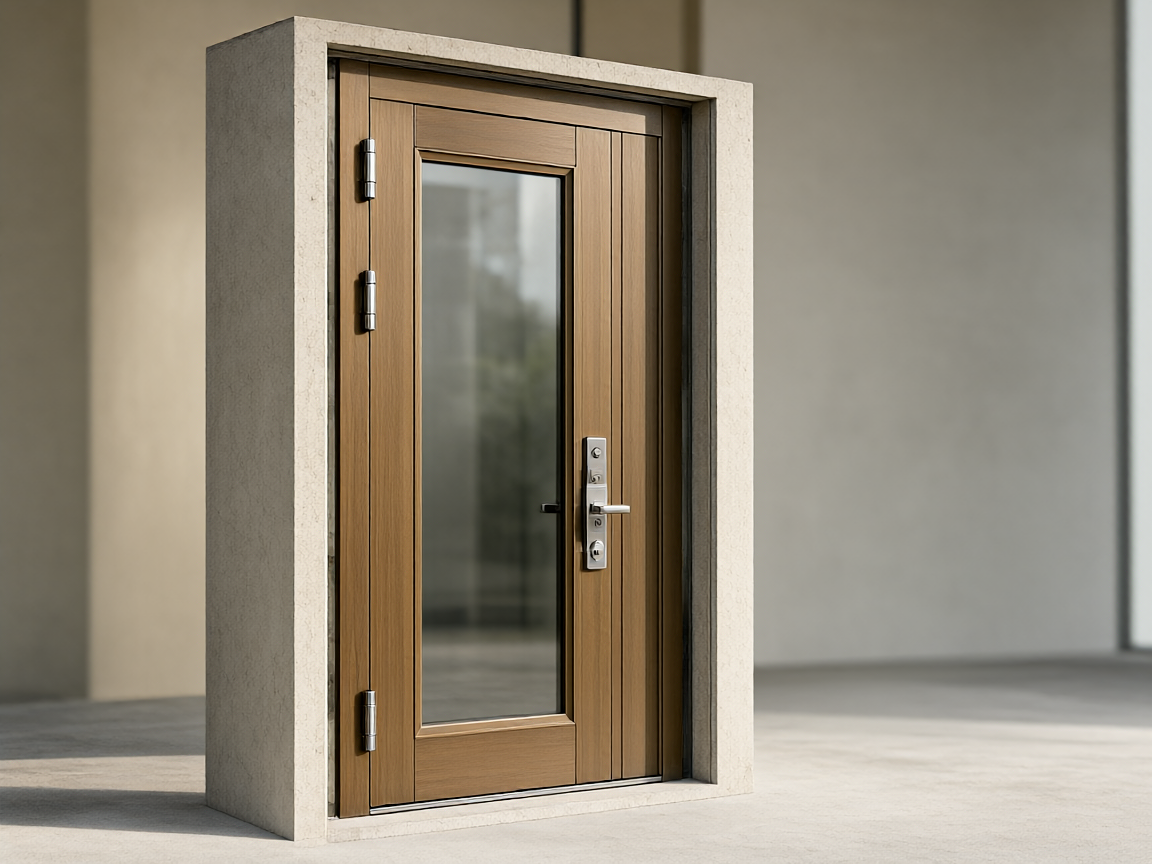
Most commercial & industrial doors intended for exterior use are built around aluminum, steel, or a hybrid of both. Aluminum is widely chosen for its corrosion resistance, lighter weight, and ability to hold precise extrusions. For high-end residential and estate entrances, a cast aluminum villa door offers deeper profiles and decorative detail without the rust risk of conventional steel. The alloy grade matters: 6063-T5 or 6061-T6 aluminum is common for frames and leaves because it balances strength, finish adhesion, and dimensional stability. Steel can be appropriate for high-security industrial openings, but it requires galvanizing, primer, and a topcoat system to survive coastal air or heavy rainfall. In many projects, the best result is a thermally broken aluminum frame with stainless-steel hardware and a finish system specified for the local climate.
Product Structure & Specification Explanation
Before ordering commercial & industrial doors, review the structure as a system. Frame thickness, leaf plate thickness, infill, glazing, and locking hardware all affect security, weight, and long-term maintenance. The table below summarizes typical specification points to confirm with the manufacturer.
| Specification | What to Review | Practical Note |
|---|---|---|
| Frame thickness | 1.5–2.5 mm for aluminum exterior frames; heavier for large leaves | Thicker frames resist racking and support heavier hardware, but confirm wall-anchor details. |
| Plate/leaf thickness | 1.2–2.0 mm aluminum sheet; cast panels may be thicker at stress points | Thin leaves may oil-can; ask for stiffener or honeycomb backing. |
| Filling | Aluminum honeycomb filling, PU foam, or mineral core | Aluminum honeycomb filling adds rigidity with low weight and helps limit drumming. |
| Glass | Tempered or laminated safety glass; sealed insulated units where required | For a glass spliced exterior door, confirm spacer, sealant, and drainage path. |
| Lock system | Multi-point mortise lock, electric strike, or smart fingerprint lock | Check backset, handing, and whether the lock is rated for exterior humidity. |
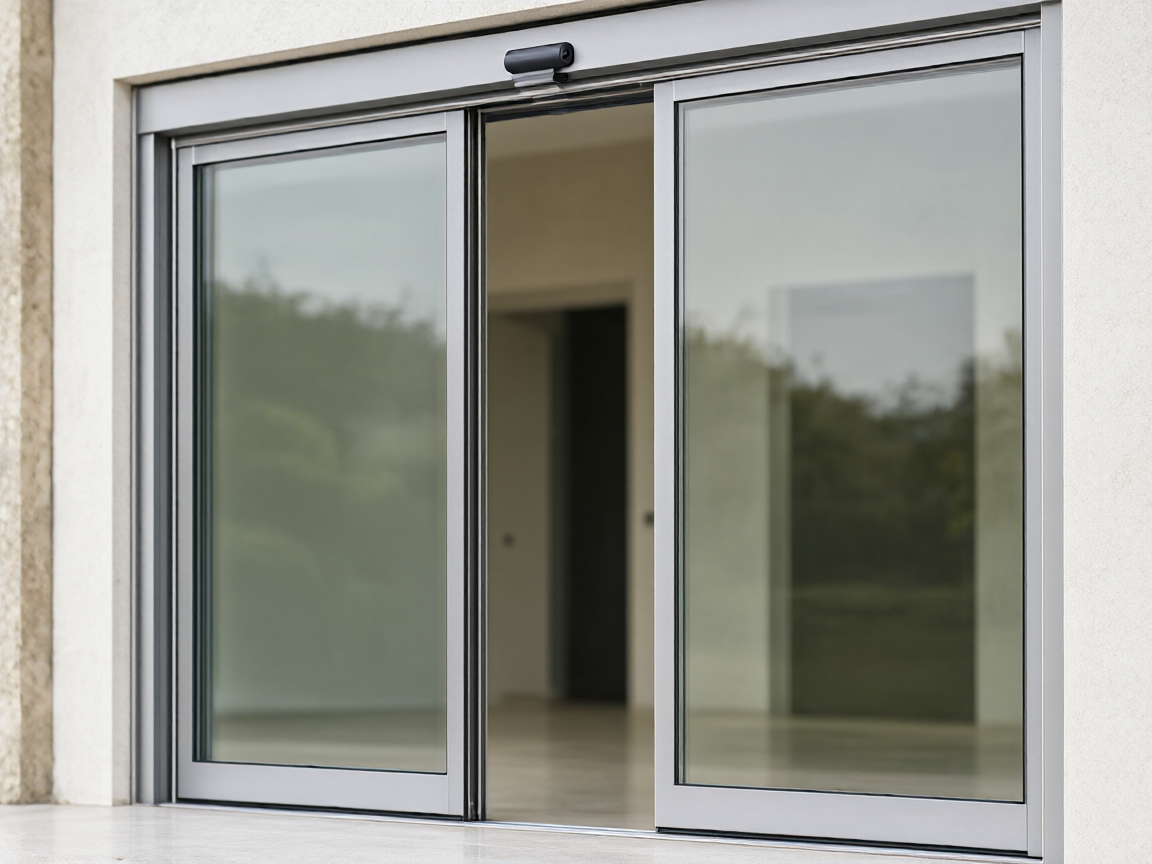
Also confirm the finish system—powder coating, PVDF, anodizing, or a multi-coat paint—and the expected film thickness. For commercial & industrial doors in high-traffic areas, specify stainless-steel hinges, reinforced lock stiles, and adjustable closers or floor springs. If the door includes a transom, verify that the lintel and header are engineered to carry the additional load.
Key Advantages for Villa Exterior Applications
The same specification discipline that suits industrial openings works well for villa exterior applications. A custom aluminum courtyard gate or estate entrance benefits from aluminum’s rust resistance, especially in coastal regions, and from low-maintenance finishes that do not need annual repainting. Multi-point locking and reinforced frames improve security without making the door difficult to operate. For privacy and daylight control, a glass spliced exterior door can combine opaque aluminum panels with safety glazing, giving owners a modern look without sacrificing weather sealing. Because aluminum can be extruded and cast in precise profiles, manufacturers can produce large leaves that still open smoothly—an important point for driveways, pool areas, and exposed entries.
From a facilities perspective, these doors reduce lifecycle cost. Aluminum does not rust through like untreated steel, and powder-coated or PVDF finishes can retain color for years under UV exposure. Hardware replacement is straightforward when standard lock cases and hinge patterns are used. That matters for renovation contractors who need to match existing openings and for architects who must document maintenance schedules.
Available Custom Options
Customization should be treated as a specification exercise, not an afterthought. Common options for commercial & industrial doors include:
- Finish and color: powder coating in RAL or custom colors, PVDF for coastal and high-UV sites, anodized finishes, and wood-grain effects.
- Opening direction: left-hand or right-hand, inward or outward, single or double leaf, with confirmed handing from the exterior view.
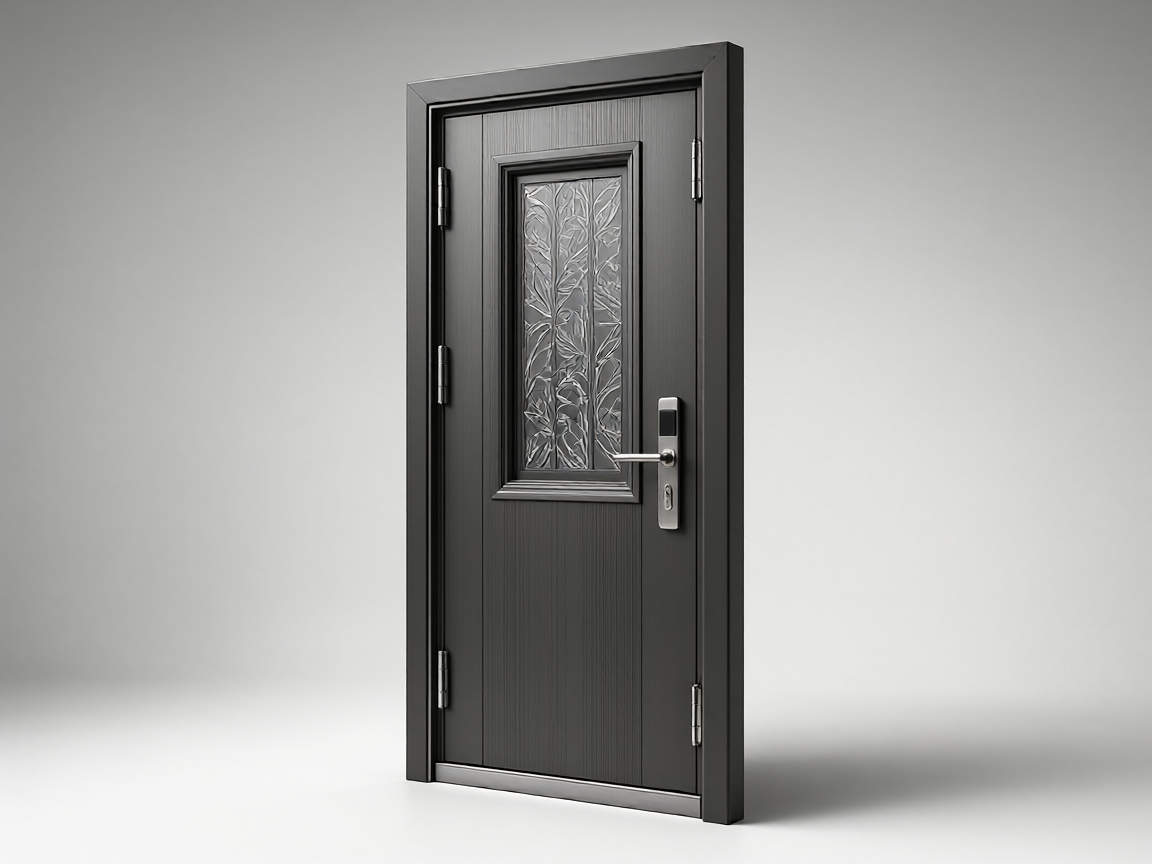
- Smart lock integration: a smart fingerprint lock, keypad, card reader, or app-controlled entry can be factory-fitted or prepared for field installation.
- LED decoration: low-voltage LED strips in the frame or handle area for wayfinding and architectural accent, with driver access for maintenance.
- Transom lintel: fixed transom panels or operable top lights, with the lintel engineered for wind load and glass weight.
- Decorative panels: cast aluminum villa door panels, laser-cut screens, and glass spliced exterior door configurations.
Ask for a shop drawing before production. Confirm the frame profile, anchor spacing, drainage weep holes, and glass bite. These details prevent installation surprises and keep the door within the project’s tolerance.
Buying & Selection Tips
Use a short checklist when comparing suppliers of commercial & industrial doors:
- Confirm the actual alloy, temper, and frame thickness—not just “aluminum.”
- Request a finish warranty and the dry film thickness specification.
- Check the lock and hinge ratings for the intended traffic and exposure.
- Verify glass certification for safety and thermal performance.
- Ask for installation tolerances, anchor details, and a site-measurement checklist.
- Review lead times, replacement-part availability, and technical support in your region.
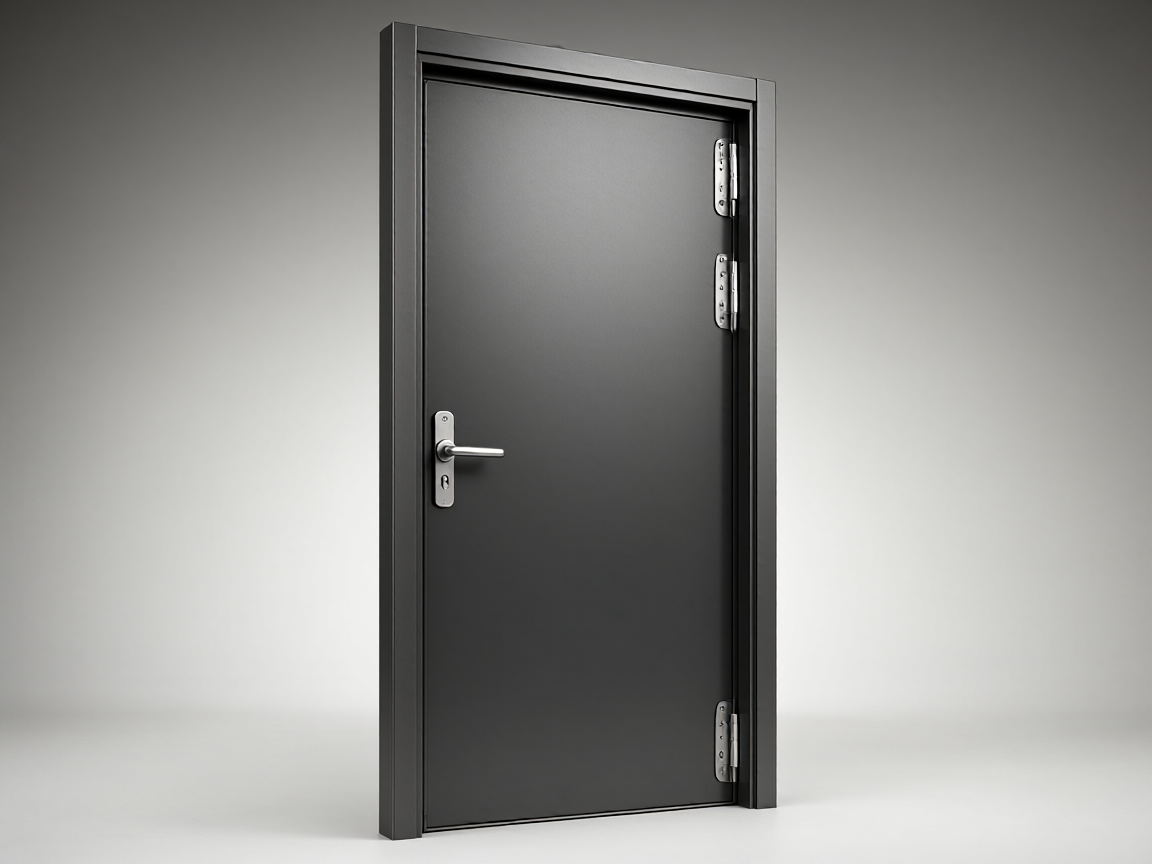
For North American, European, and Australian projects, confirm that the door system meets local building code, egress, and wind-load requirements. A supplier familiar with these markets should provide test reports, drawings, and packing details without repeated follow-up.
Conclusion
Ordering commercial & industrial doors is easier when the conversation moves from appearance to specifications. Review the alloy and finish, the frame and leaf thickness, the infill and glazing, and the locking system before you approve the order. Whether the project calls for a custom aluminum courtyard gate, a cast aluminum villa door, or a glass spliced exterior door with aluminum honeycomb filling, the right specification will deliver security, weather resistance, and low maintenance over the life of the building. Start with a clear checklist, request shop drawings, and confirm installation details early—then the door becomes one less risk on the project schedule.