Automatic Doors: Maintenance Checks for Reliable Operation
An automatic door on a villa is only as reliable as its weakest inspection point. Owners, builders and renovation contractors describe the same failures again and again: the gate stalls halfway through its cycle, the remote stops responding, hinges corrode after two wet seasons, and sourcing a replacement part for a non-standard opening turns into a project of its own. Almost every one of those problems starts small — a flattened roller, a track packed with grit, a seal that stopped sealing — and is inexpensive to fix at the first sign. This guide covers what to check and how often, how material and structure choices affect service intervals, and how to specify an automatic door that stays reliable in coastal, cold or high-traffic conditions.
Core Materials and How They Drive Maintenance Frequency
Automatic doors fail for two reasons: moving parts wear out, and materials degrade. The first you control with a service schedule. The second is decided at the specification stage and cannot be corrected later.
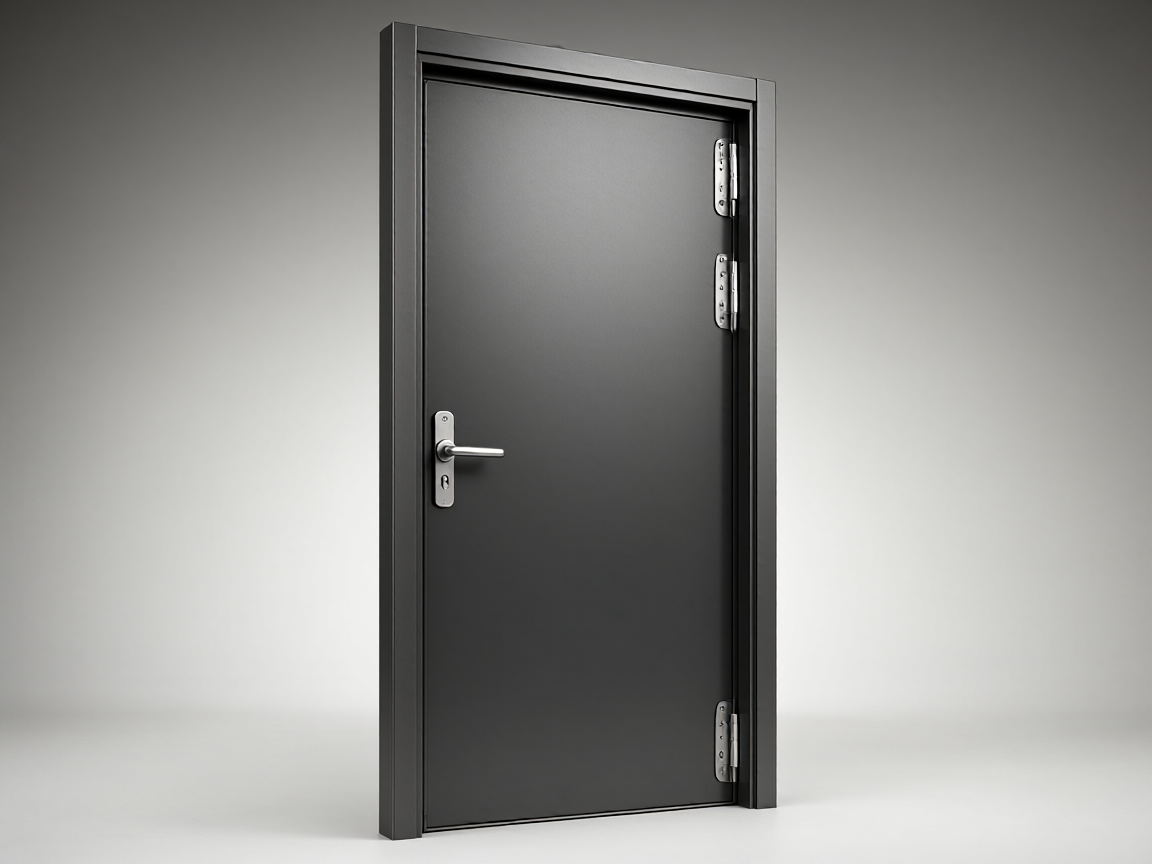
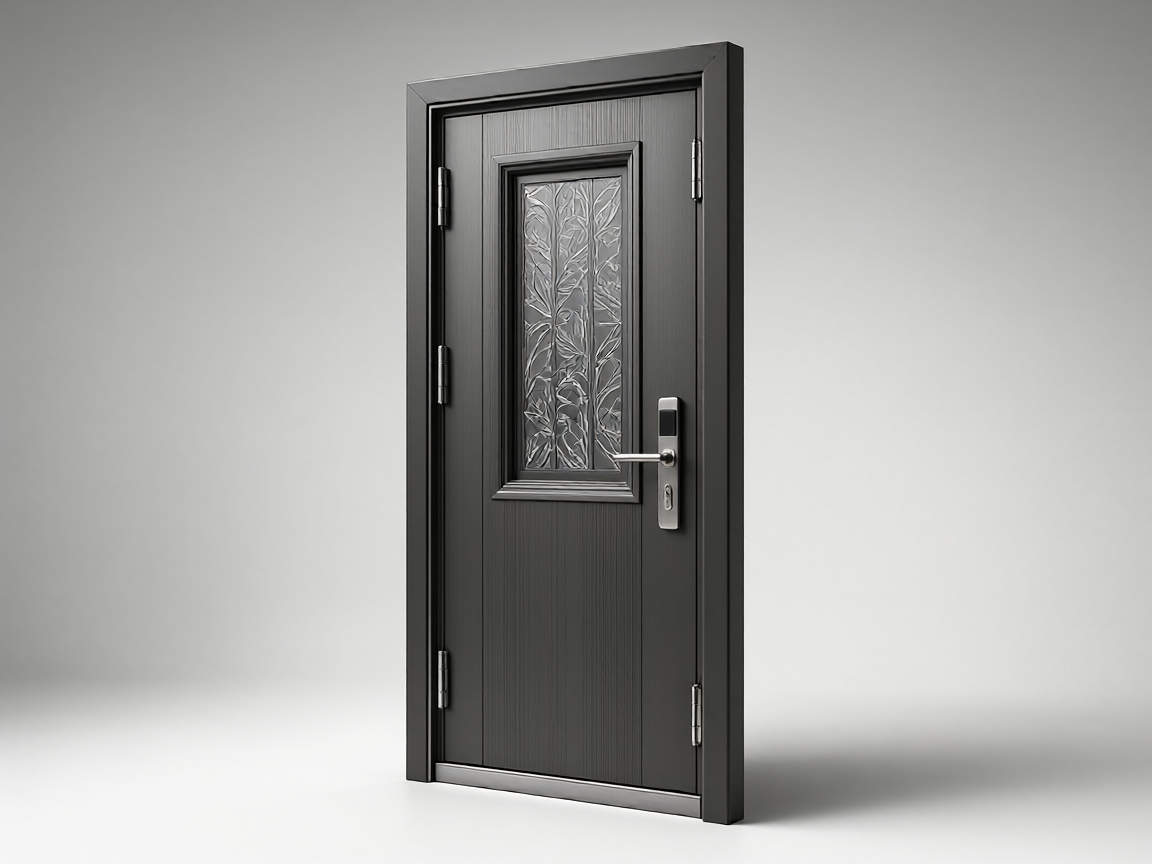
Frames on a properly built automatic door are typically 6063-T5 aluminum extrusion — stiff enough for wide leaves, dimensionally stable through temperature swings, and naturally corrosion-resistant without relying on a coating for structural integrity. Decorative panels on a cast aluminum villa door are cast rather than stamped, which produces deeper relief, thicker sections and better resistance to knocks from vehicles, garden equipment and delivery carts. A custom aluminum courtyard gate that pairs an extruded structural frame with cast decorative panels gets the stiffness of one and the visual weight of the other.
The finish deserves close attention from anyone building near the coast or in heavy snow country. Standard powder coating is adequate for sheltered inland sites. Fluorocarbon (PVDF) coatings hold color and resist chalking far better under salt spray and high UV. Ask suppliers for salt-spray test hours and coating thickness in microns rather than descriptive adjectives.
Hardware matters just as much as the panels. Stainless steel 304 rollers, guides and fasteners are the practical minimum for exterior use; specify 316 near saltwater. EPDM weather seals stay flexible in cold weather, where cheaper compounds harden, crack and tear within a season. Each of these choices quietly extends the gap between service visits.
Structure, Specifications, and What Wears First
Vague specifications lead to vague maintenance. These are the numbers worth confirming before an order is placed:
- Frame thickness: 2.0 mm aluminum is a sensible baseline for leaves up to about 1.6 m wide; step up to 2.5 mm for wide sliding panels or tall gates exposed to wind load.
- Panel thickness: 1.5–2.0 mm sheet for flat infill; 8–10 mm section depth for cast decorative panels.
- Filling: aluminum honeycomb filling bonded between skins keeps a leaf flat, light and quiet. Lower leaf weight directly reduces load on the operator, rollers and hinges — one of the most overlooked reliability factors in large gates.
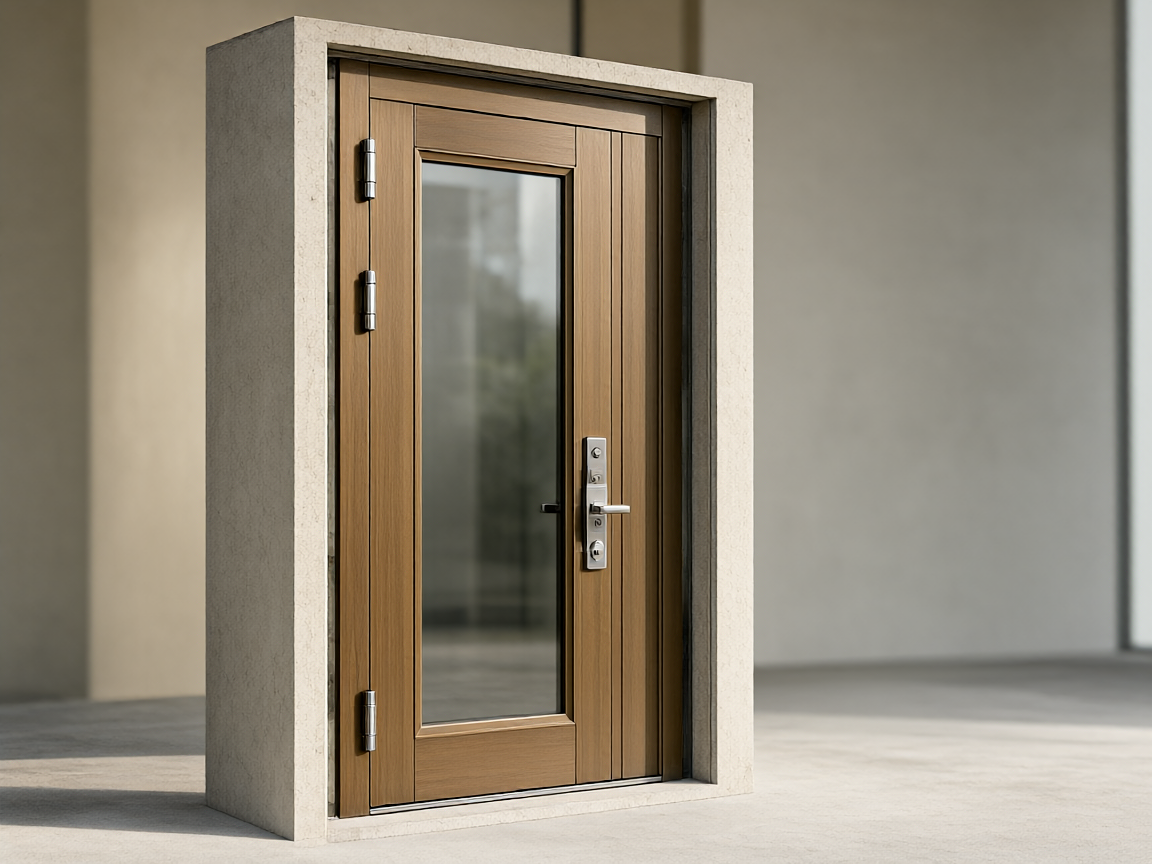
- Glass: 6–8 mm tempered or laminated glazing. On a glass spliced exterior door, confirm consistent glazing beads and a drainage path so water never sits against the edge of the pane.
- Lock system: a motor-driven multi-point lock paired with a keyed manual release. Test the manual release before the power is connected, not after a failure.
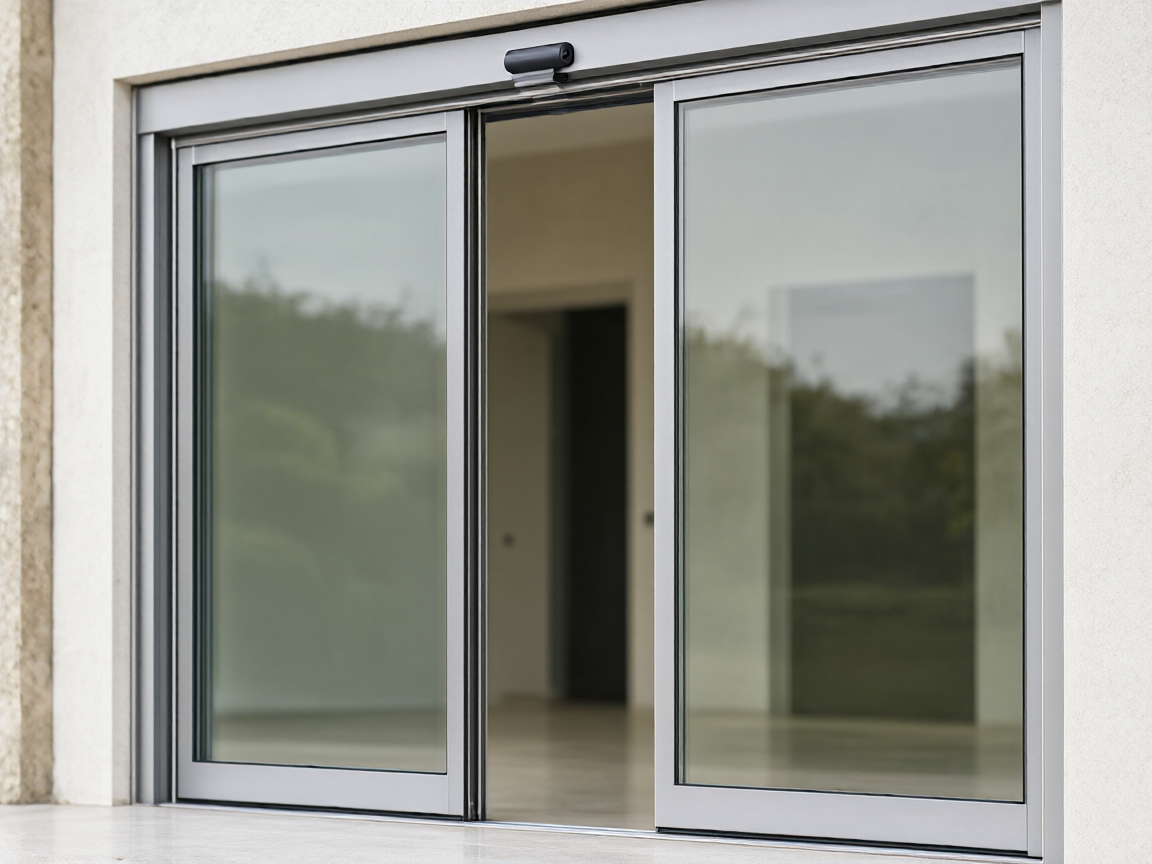
- Operator: check rated duty cycle against your actual daily cycles, plus soft start/stop and obstacle detection.
| Component | What to check | Typical interval |
|---|---|---|
| Track and rollers | Debris build-up, flat spots, free rotation | Monthly |
| Hinges and pivots | Play, squeaks, fastener torque | Quarterly |
| Weather seals | Cracking, compression loss, gaps at corners | Twice a year |
| Lock and operator | Leaf alignment, manual release function | Quarterly |
| Safety sensors | Beam alignment, false triggers, lens cleanliness | Monthly |
| Drainage channels | Blockage, standing water at the threshold | Monthly in wet season |
Key Advantages for Villa Exterior Applications
Corrosion resistance with low upkeep. Aluminum does not rust the way steel does, and a quality coating means the visible surface needs little more than periodic washing. That matters on properties where maintenance access is limited or the owner is absent for months at a time.
Security in layers. A rigid frame, multi-point lock and motor that holds position give a villa entrance more resistance than a decorative gate alone. Obstacle detection and controlled closing speed also protect children, pets and vehicles.
Custom sizing for real openings. Villa entrances are rarely standard. Made-to-measure leaves eliminate the filler panels and adapter frames that create weak points, water traps and rattling joints over time.
Comfort and accessibility. Automatic operation removes the need to leave a vehicle, carry a child or handle a heavy leaf in rain or snow — a practical benefit that also raises resale appeal.
Weather performance. Proper seals, drainage and thermal breaks reduce drafts, water ingress and wind noise, which is often the difference between a gate that feels solid and one that rattles in a storm.
Available Custom Options
- Finish and color: powder coat or PVDF in standard RAL colors, plus wood-grain and matte textures.
- Opening direction: inward or outward swing, sliding, or bi-fold, matched to driveway geometry and slope.
- Smart fingerprint lock: keyless entry with app control, temporary access codes for contractors and cleaners, and an audit log of entries.
- LED decoration: integrated lighting for house numbers, pathway illumination or accent lines — useful where the entrance is dark for much of the winter.
- Transom lintel: a fixed upper panel that fills the opening to full height, improves proportion and adds weather protection above the moving leaf.
- Glazing and infill: glass spliced exterior door configurations, aluminum honeycomb filling for privacy, or cast panels for a traditional look.
Buying and Selection Tips
- Measure the structural opening, not the old door. Confirm wall type, plumb and level before selecting hardware.
- Match the operator's duty cycle to real usage — a family home and a shared villa entrance have very different daily cycles.
- Confirm a manual release exists and is reachable from outside the property line.
- Request coating test data, alloy grade and hardware material in writing, not just in a brochure.
- Plan power and conduit before the driveway is finished; retrofitting cable runs is the most common avoidable cost.
- Ask about spare parts availability and whether rollers, seals and lock components are standard items.
- Check warranty terms for what is covered — the coating, the operator and the frame are usually treated separately.
Conclusion
A reliable automatic door is not a maintenance-free door. It is one where the materials, structure and hardware have been chosen so that routine checks stay short and inexpensive. Specify the alloy, coating and filling deliberately, confirm the operator matches real traffic, and put a simple monthly and quarterly inspection routine in place. Do that, and the entrance will keep working quietly for years — through salt air, hard winters and daily use — instead of becoming a recurring repair line item.