Apartment & Building Entrance Doors: Repair Options for Common Issues
Apartment & Building Entrance Doors: Repair Options for Common Issues
Entrance doors in apartment blocks and multi-unit buildings take more punishment than almost any other component in the envelope. They are slammed by residents, propped open by delivery staff, exposed to wind-driven rain and salt air, and expected to keep working for decades. Property managers, builders, and renovation contractors usually face the same set of concerns: whether the door still provides adequate security, where rust is likely to appear first, how much maintenance the finish will need, whether a replacement leaf can be ordered to an unusual opening size, and how disruptive the installation will be for occupied buildings. This guide breaks down the materials and construction of modern Apartment & Building Entrance Doors, then maps the most common failures to practical repair options so you can decide between a targeted fix and a full replacement.
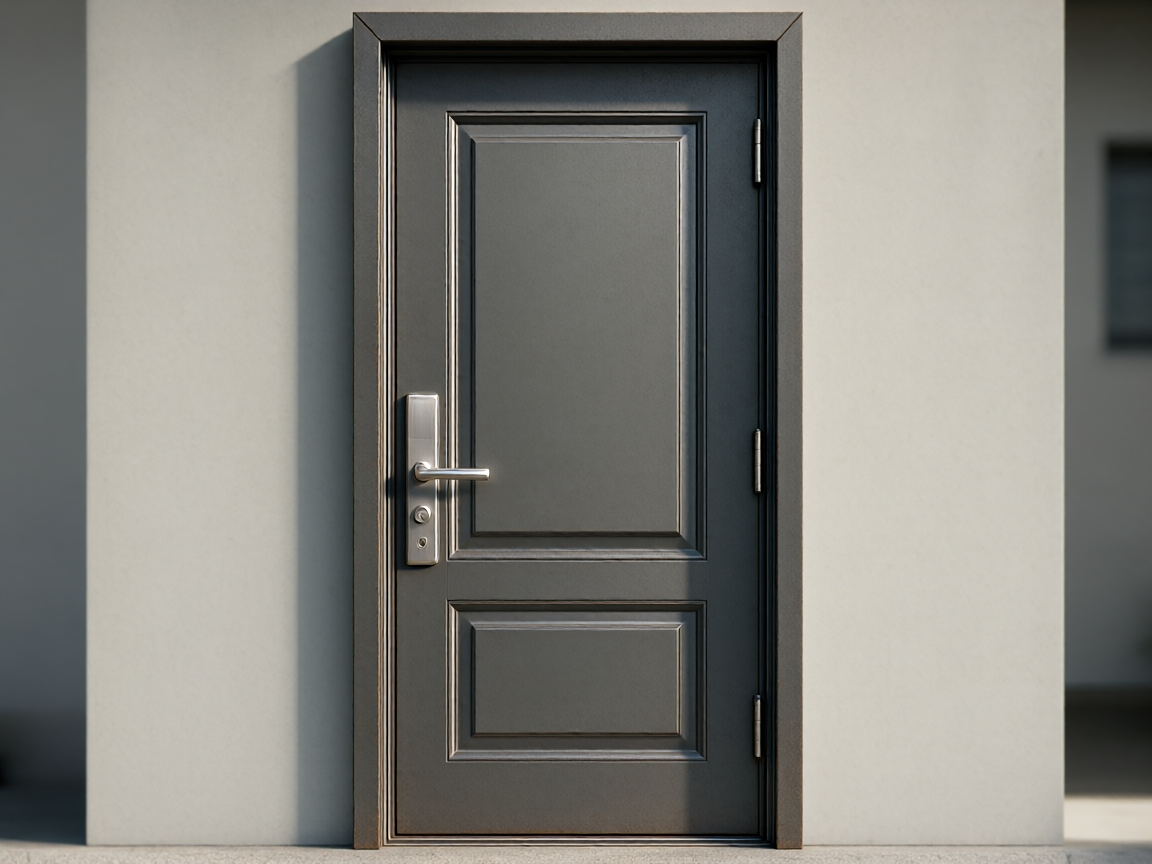
Core Materials Used in Apartment & Building Entrance Doors
Most entrance door failures trace back to the base material and how it was protected. Understanding the four mainstream options makes diagnosis far easier.
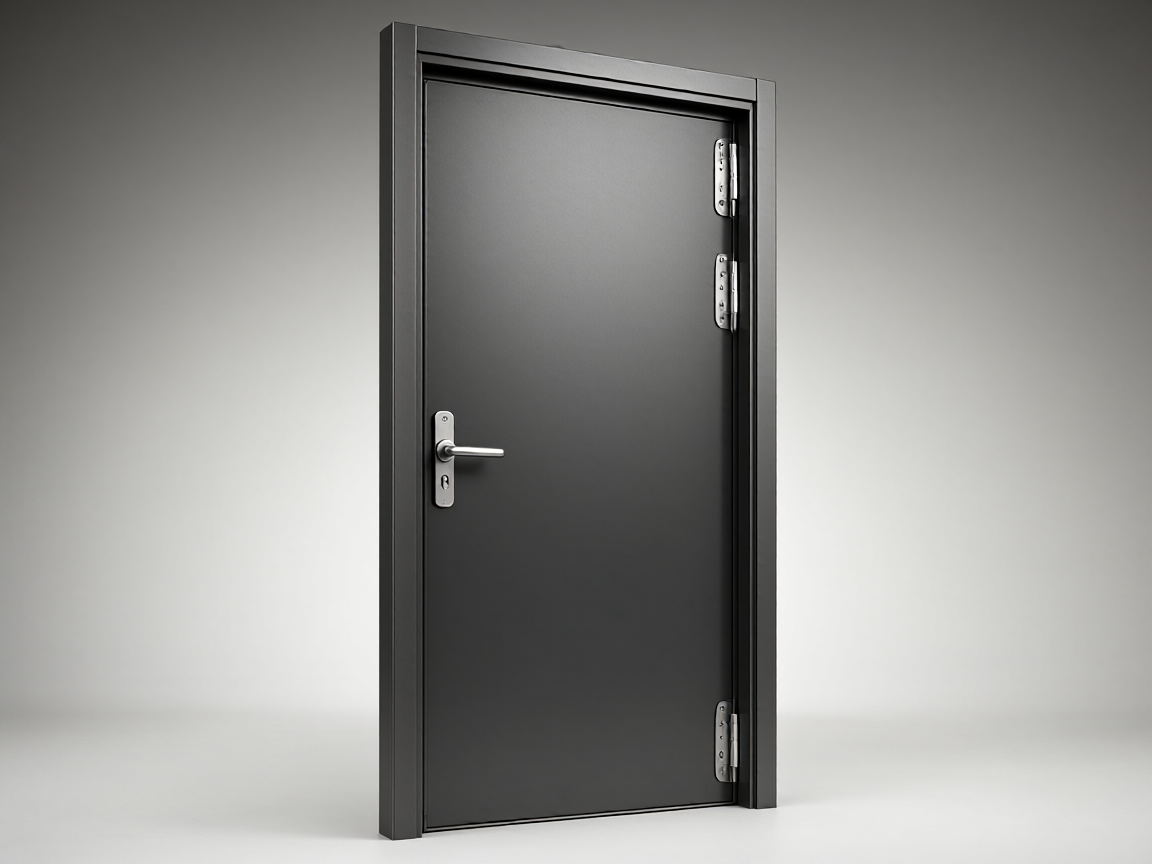
- Galvanized steel — the workhorse for communal entrances. A zinc coating provides sacrificial protection, so a scratched surface resists rust far longer than cold-rolled steel. Look for a zinc layer of at least 120 g/m² on external leaves.
- Aluminum alloy — 6063-T5 or 6061 profiles are naturally corrosion-resistant, which makes them the default choice in coastal and humid climates. Aluminum entrance systems can be powder-coated or anodized and are lighter, reducing hinge and closer strain.
- Cast aluminum — used where a heavier, decorative appearance is required, including the cast aluminum villa door style with deep relief panels. Cast sections are thicker and resist denting well but need proper drainage at the bottom rail.
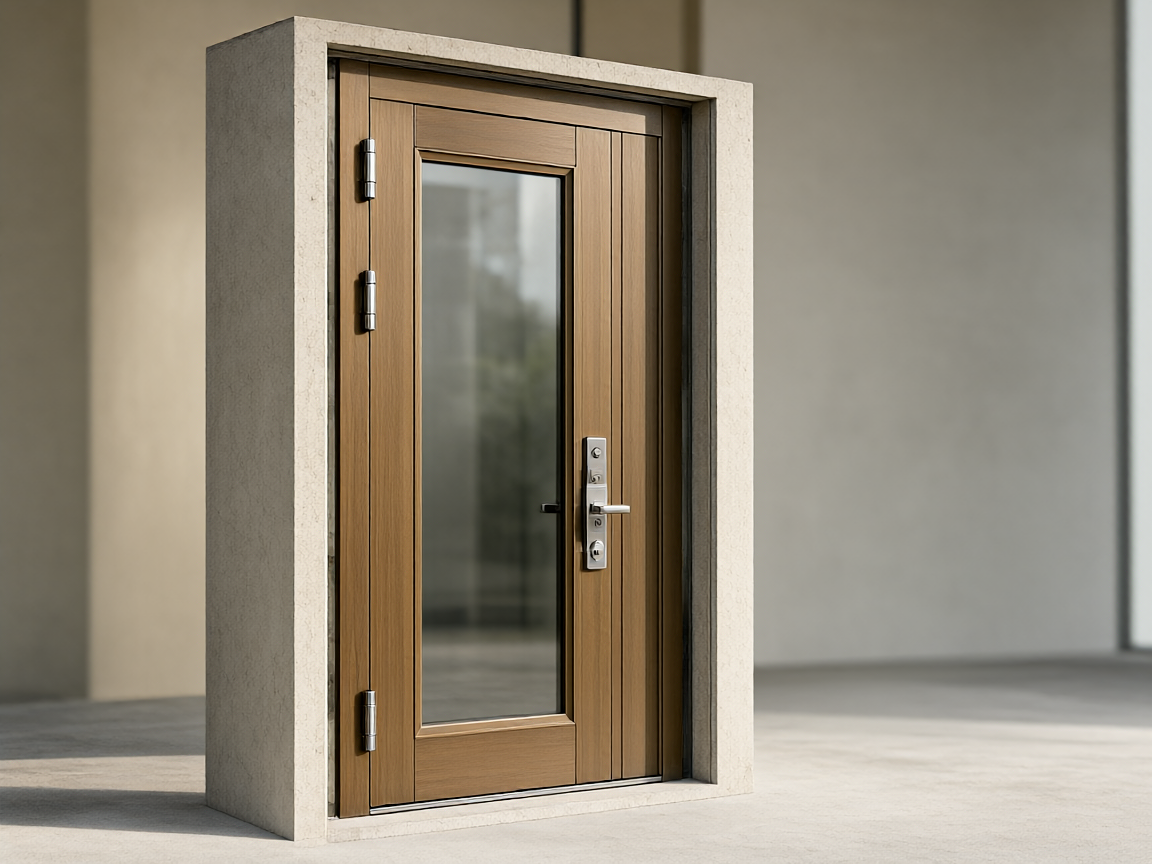
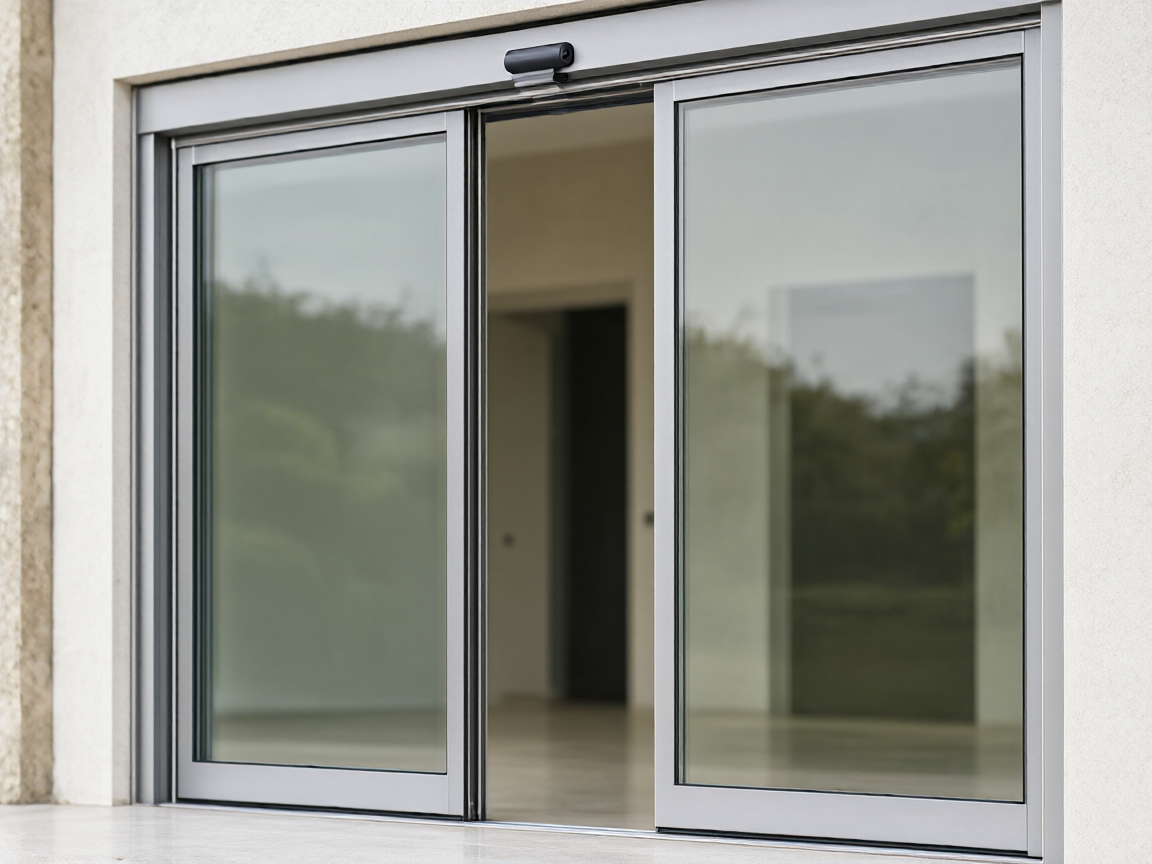
- Glass and glazed composites — tempered or laminated glass set into aluminum framing, frequently specified as a glass spliced exterior door to bring daylight into lobbies while maintaining a secure perimeter.
Product Structure, Specifications, and Repair Options
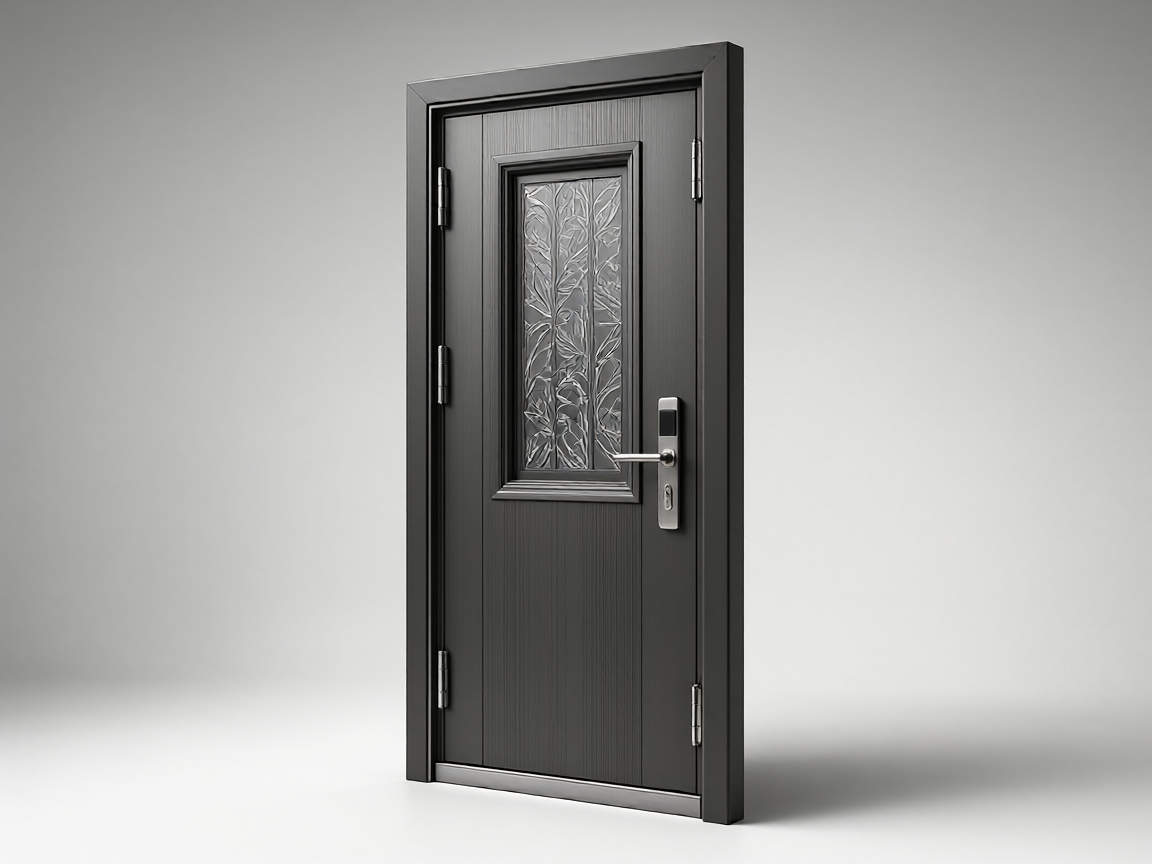
Specification choices determine both durability and how repairable the door will be later. For steel communal doors, a frame thickness of 1.8–2.0 mm and a leaf skin of 0.8–1.2 mm is a sensible baseline; aluminum systems typically use 2.0 mm wall profiles. Internal filling matters as much as the skin: aluminum honeycomb filling gives a flat, stiff leaf with low weight, while rock wool or PU foam adds thermal and acoustic performance. Lock systems range from mechanical multipoint locks to a smart fingerprint lock with PIN, card, and app access, and hardware should be rated for the leaf weight and daily traffic cycle.
| Common issue | Likely cause | Practical repair option |
|---|---|---|
| Leaf sags or drags on the threshold | Hinge wear or frame settlement | Re-torque or replace hinges, shim the frame, re-hang the leaf |
| Rust at the bottom rail or threshold | Standing water, damaged coating | Strip to bare metal, apply rust converter and zinc-rich primer, re-coat; improve drainage |
| Drafts, water ingress, whistling | Compressed or perished gasket | Replace EPDM or brush seals, adjust the strike plate for even compression |
| Lock or smart lock not engaging | Misalignment, dead batteries, firmware | Realign strike plate, replace the battery pack, update firmware, recalibrate the bolt |
| Dents or scratches on the skin | Impact, trolley damage | Pull the dent, fill, and apply a color-matched touch-up coat |
| Cracked or fogged glazing | Thermal stress, impact, seal failure | Replace the sealed glass unit only, keeping the frame intact |
| Door slams or fails to latch | Closer valve settings, worn arm | Adjust closing and latching speed, replace the closer arm assembly |
Key Advantages for Exterior Entrance Applications
Exterior entrance doors on villas and residential blocks face a harsher duty cycle than interior doors, and the right build pays for itself in reduced callouts.
- Security — a reinforced steel or aluminum frame combined with a multipoint lock and anti-lift pins resists pry and kick attacks more reliably than a single-point lock.
- Corrosion resistance — galvanized steel and aluminum alloys with a PVDF or anodized finish hold up in coastal and freeze-thaw climates, where painted cold-rolled steel begins to blister within a few seasons.
- Low maintenance — powder-coated and anodized surfaces need only periodic cleaning; annual hinge lubrication and gasket inspection cover most of the routine work.
- Thermal and acoustic comfort — insulated cores, thermal breaks, and laminated glazing reduce lobby drafts and traffic noise reaching upper floors.
Available Custom Options
Standard sizes rarely fit older buildings, so custom fabrication is often the difference between a clean retrofit and a week of site modification. Typical options include:
- Finish and color — powder coating in any RAL reference, PVDF for high-UV exposure, wood-grain sublimation, brushed or black anodized aluminum.
- Opening direction and handing — left or right hand, inward or outward swing, single or double leaf, and unequal double leaves for accessible clear widths.
- Access control — mechanical multipoint locks or a smart fingerprint lock with audit trail, remote release, and integration with intercom systems.
- LED decoration — illuminated house numbers, handle accents, or perimeter strips for visibility at night and a clearer address marker.
- Transom lintel and sidelights — fixed glazed panels above or beside the leaf to increase daylight and match the surrounding facade.
- Matching perimeter elements — where a building has a gated forecourt, a custom aluminum courtyard gate in the same finish and profile family keeps the elevation visually consistent.
Buying and Selection Tips
- Measure the structural opening, not the old leaf. Record width, height, wall thickness, and reveal depth at three points; out-of-square openings are common in older blocks.
- Decide repair versus replacement honestly. Hinges, seals, closers, and lock hardware are almost always worth repairing. Widespread rust perforation, a twisted frame, or repeated glass seal failure usually signals replacement.
- Match hardware to traffic volume. A 200-unit building needs closers and hinges rated for high cycles; specifying residential-grade hardware is the most common cause of premature failure.
- Confirm certification and warranty in writing. Check fire rating where required, security certification, wind-load performance, and whether the finish warranty covers coastal exposure.
- Plan the installation sequence. For occupied buildings, schedule work in low-traffic windows, confirm temporary door provisions, and verify that replacement leaves arrive pre-hung and pre-drilled for hardware.
- Keep a spares kit. Stock gaskets, hinge sets, and a closer arm on site — these low-cost parts prevent most emergency callouts.
Conclusion
Most entrance door problems in apartment and multi-unit buildings are component failures, not structural ones. Replacing worn hinges, seals, closers, and lock hardware resolves the majority of security, draft, and latching complaints at a fraction of replacement cost. When replacement is unavoidable, specify the material and build for the actual environment — galvanized steel or aluminum for corrosion resistance, aluminum honeycomb filling for a flat and stable leaf, laminated glazing for safety, and a lock system sized to real traffic. Get the specification right and the repair schedule becomes predictable, which is exactly what owners, architects, and contractors need from Apartment & Building Entrance Doors.