Steel vs. Fiberglass vs. Wood: Which Entry Door Material Is Right for You?
Selecting the right entry door material is one of the most consequential decisions in residential and commercial construction. The front door is not merely an access point—it is a structural component that influences thermal efficiency, security, acoustic insulation, and the architectural character of an entire building. For B2B buyers, architects, general contractors, and property developers, the choice between steel, fiberglass, and wood carries long-term implications for maintenance costs, warranty claims, and occupant satisfaction. Each material offers a distinct profile of strengths and trade-offs, and understanding these differences is essential for specifying the correct product for each project. This article provides an objective, factory-level comparison of steel, fiberglass, and wood entry doors, helping you align material performance with project requirements.
Understanding the Three Primary Entry Door Materials
Entry doors are manufactured from three dominant materials, each with a distinct production process and performance footprint. Steel doors consist of a galvanized steel skin wrapped around an insulated polyurethane or polystyrene core. Fiberglass doors are compression-molded from glass-reinforced polymer, often with a similar insulated core. Wood doors are fabricated from solid timber, engineered wood, or a combination of both, including stile-and-rail or flush constructions. According to industry data from the Door and Access Systems Manufacturers Association (DASMA), steel and fiberglass collectively account for roughly 70% of the residential entry door market in North America, while wood retains a strong presence in high-end residential and restoration projects. The choice among these materials is rarely about absolute superiority; it is about matching material properties to project priorities.
Steel Entry Doors: Strength, Security, and Cost Efficiency
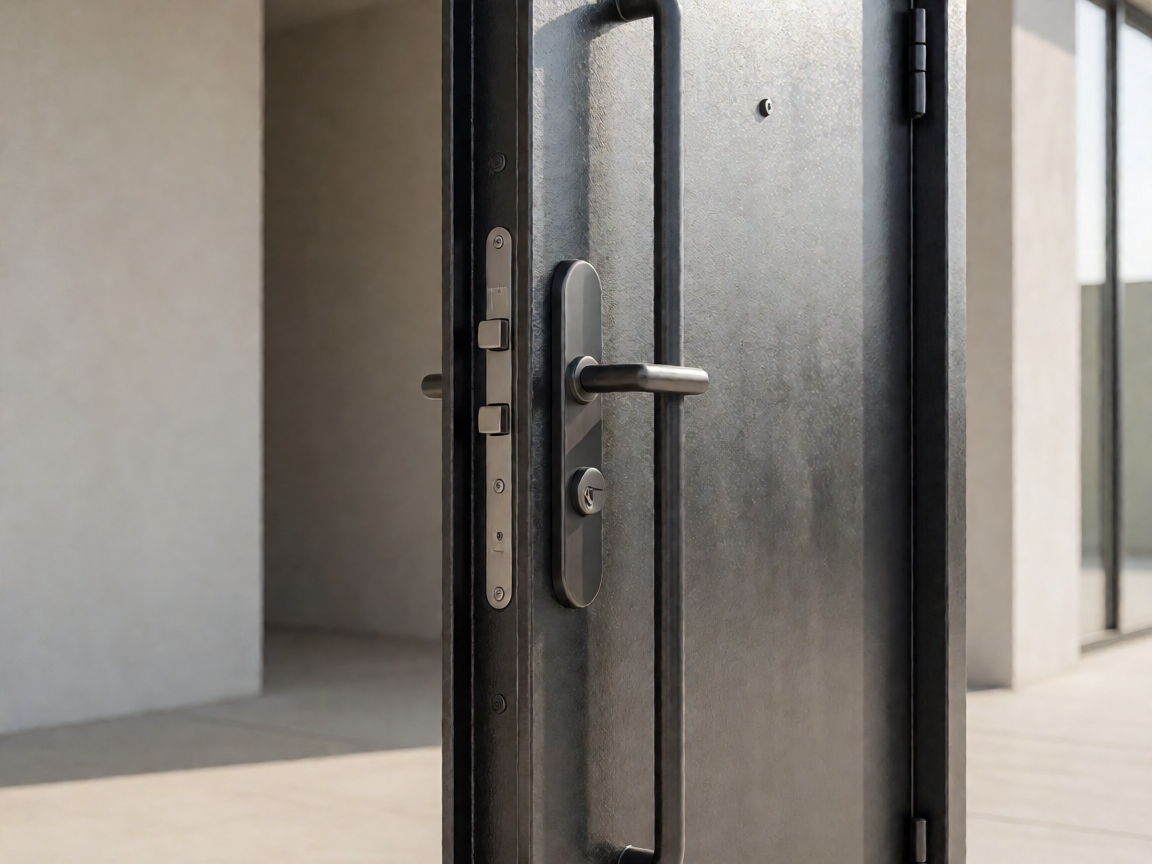
Steel entry doors are widely recognized for their structural rigidity and superior forced-entry resistance. A 24-gauge steel skin over a polyurethane core delivers a solid, heavy feel that is difficult to breach without significant effort. For commercial applications and multi-family housing units where security is a primary concern, steel is often the default specification. From a thermal performance perspective, modern steel doors feature insulated cores with R-values ranging from R-5 to R-15, depending on core density and thickness. This makes them highly energy-efficient in both heating and cooling climates. Steel doors are also relatively affordable: the material cost per unit is typically 20% to 30% lower than comparable fiberglass doors and 40% to 60% lower than premium solid wood doors. However, steel is not without limitations. The exterior surface is susceptible to dents from impact, and if the galvanized coating is scratched, the underlying metal can rust. In coastal environments with high salinity, steel requires additional protective coating systems to mitigate corrosion. For contractors managing large-scale installations, steel doors are also heavier than fiberglass, which can increase labor costs during handling and installation. Nonetheless, for projects with tight budgets and high-security requirements, steel entry doors remain a proven, practical choice.
Fiberglass Entry Doors: Versatility and Low Maintenance
Fiberglass entry doors have gained significant market share in the past two decades, and for good reason. The material is exceptionally stable under temperature extremes. Unlike steel, fiberglass does not dent; unlike wood, it does not warp, crack, or rot. The glass-reinforced composite skin is engineered to withstand heavy daily use, making it the most durable option in terms of long-term appearance retention. One of the most compelling advantages of fiberglass is its dimensional stability. The coefficient of thermal expansion for fiberglass is significantly lower than that of steel, meaning the door will not expand or contract dramatically with temperature changes. This is particularly important for projects in climates with wide seasonal temperature swings, where wood doors are prone to warping and steel doors may experience condensation issues. Fiberglass also excels in design flexibility. Modern manufacturing processes allow the material to be molded with realistic wood-grain textures that are nearly indistinguishable from natural timber. For property developers who want the aesthetic of wood without the maintenance burden, painted or stained fiberglass doors offer a high-value alternative. The insulated polyurethane core provides R-values comparable to steel, and the material naturally resists moisture ingress, eliminating the risk of rot at the bottom rail—a common failure point in wood doors. The primary drawback of fiberglass is cost. The initial purchase price is higher than steel, typically ranging from 15% to 30% more for comparable configurations. However, when lifecycle costs are considered—including repainting, repair, and replacement frequency—fiberglass often delivers a lower total cost of ownership over a 20-year horizon.
Wood Entry Doors: Timeless Elegance with Higher Maintenance
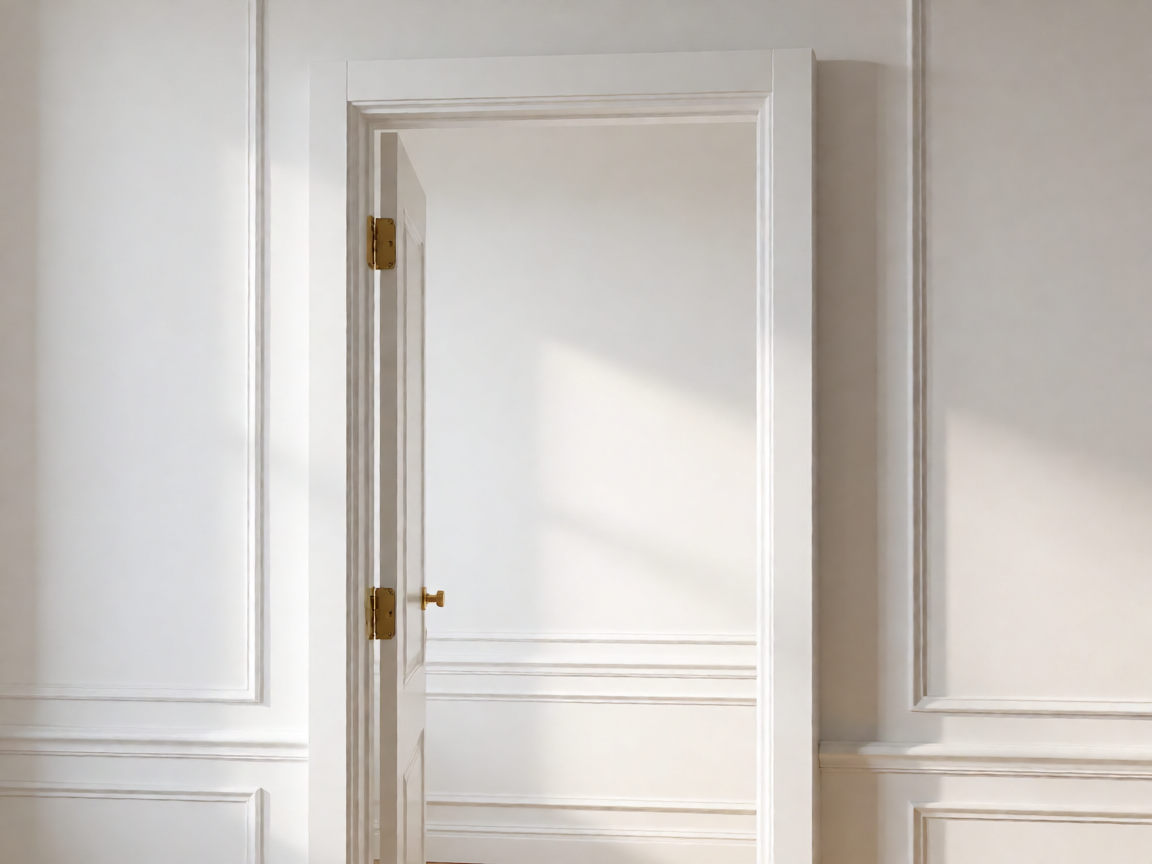
Wood entry doors offer an unmatched level of natural beauty and architectural warmth. For high-end villa developments, heritage restorations, and luxury commercial spaces, solid wood doors provide a bespoke presence that synthetic materials cannot replicate. Species such as mahogany, oak, walnut, and teak are commonly specified for their rich grain patterns and structural integrity. From a performance standpoint, wood doors provide excellent natural acoustic insulation. A solid-core wood door, typically 1¾-inch thick, reduces sound transmission more effectively than hollow-core alternatives. Historically, wood was considered less energy-efficient than insulated steel or fiberglass doors, but modern engineered construction—using laminated veneer lumber (LVL) stiles and rails with insulated cores—has closed much of this gap. Premium wood doors can achieve R-values of R-5 to R-10 when constructed with thermal breaks. The critical disadvantage of wood is maintenance. Exterior wood doors require periodic refinishing—typically every one to three years—to protect the surface from UV degradation and moisture. In humid climates, wood is susceptible to expansion, which can cause sticking or binding at the door frame. In arid climates, wood may shrink, leading to cracks around raised panels. For property management companies overseeing large portfolios, the recurring cost of sanding, staining, and sealing wood doors becomes a material line item in operating budgets.
Side-by-Side Comparison: Steel vs. Fiberglass vs. Wood
For B2B specifiers, a direct comparison across key performance metrics is essential. The following summary highlights the relative positioning of each material:
Security: Steel offers the highest forced-entry resistance. Fiberglass provides good security but relies on robust locking hardware and strike plates. Solid wood doors are secure but can degrade around locksets over time.
Durability: Fiberglass is the most resistant to dents, scratches, and moisture-related damage. Steel resists abuse but can dent and rust. Wood is vulnerable to moisture, insects, and UV degradation.
Thermal Efficiency: All three can achieve R-values above R-5 with insulated cores. However, steel and fiberglass with polyurethane cores are more consistent across the entire door surface, while wood doors can exhibit thermal bridging at stiles and rails.
Acoustic Insulation: Solid wood doors excel in sound attenuation. Steel and fiberglass with dense foam cores perform adequately for standard residential applications.
Maintenance: Fiberglass requires the least ongoing maintenance. Steel needs periodic touch-up for scratches. Wood requires the most frequent refinishing.
Aesthetic Flexibility: Fiberglass offers realistic wood-grain finishes, paintable surfaces, and a wide range of panel configurations. Wood offers unmatched natural grain. Steel provides a limited—though modern, industrial—appearance.
Cost: Steel is the most affordable. Fiberglass sits mid-range. Premium wood doors are the most expensive, at roughly 4 to 6 times the cost of a comparable steel unit.
Key Considerations for B2B Buyers and Contractors
For overseas procurement managers, architects, and developers, the specification process must go beyond material preference to include project-specific factors. Climate is one of the most important variables. In hurricane-prone regions, such as Florida or the Gulf Coast, steel and fiberglass doors offer better structural resilience, while wood requires impact-rated glazing and reinforcement. In extreme cold climates, fiberglass is favored because it will not transfer cold as readily as steel, reducing the risk of interior condensation and frost buildup at the edges. Building codes are another critical determinant. The International Residential Code (IRC) and International Building Code (IBC) specify minimum energy performance standards that vary by climate zone. In Zone 4 and above, doors must meet strict U-factor requirements. Steel and fiberglass doors with polyurethane cores are more likely to meet these requirements without custom modifications, whereas wood doors often need insulated glazing and structural thermal breaks to comply. Lead time is a third factor that is often underestimated. Steel and fiberglass doors are typically available in standard sizes with lead times of 2 to 4 weeks for factory production. Custom wood doors with specific species, panel layouts, and glazing options can take 8 to 12 weeks or longer. When managing construction schedules, this difference can impact the critical path.
Cost Analysis Over the Product Lifecycle
A lifecycle cost assessment offers a clear picture of the financial impact of each material. For a standard 36-inch by 80-inch single entry door unit:
Steel entry door: Initial cost of $400 to $800 per unit. Maintenance cost of approximately $50 per year for touch-up painting and sealant replacement. Expected service life of 15 to 25 years, depending on corrosion exposure.
Fiberglass entry door: Initial cost of $600 to $1,200 per unit. Maintenance cost of approximately $30 per year for cleaning and occasional hardware adjustment. Expected service life of 30+ years with minimal structural degradation.
Wood entry door: Initial cost of $1,500 to $4,000 for a premium solid-core unit. Maintenance cost of $150 to $300 per year for