Steel Security Doors: Warranty Questions to Ask Before You Buy
Most buyers comparing steel security doors start with the same checklist: how thick is the plate, how many locking points, will it rust near the coast, and can it be built to fit an opening that no stock door matches. Those are the right questions — but they only describe the door on delivery day. The warranty describes the door five, ten, or fifteen years later, after salt air, monsoon rain, and a few thousand slams. For villa owners, builders, architects, and renovation contractors, the warranty document is often the clearest signal of how a manufacturer actually builds. This guide breaks down the material and structural details that determine coverage, then lists the specific warranty questions worth asking before you place a purchase order.
Core Materials and What They Mean for Warranty Coverage
Almost every warranty dispute on a steel security door comes down to coating and substrate. A door made from cold-rolled steel with a hot-dip galvanized layer and a properly cured powder coat behaves very differently from a door with a thin zinc wash and a wet-paint finish, even when both look identical in a showroom photo.
Ask for the zinc mass per square metre and the coating system (primer plus topcoat, dry film thickness). Reputable manufacturers publish these figures and write the warranty around them. A finish warranty of 5–10 years against chalking, blistering, and peeling is realistic for a quality powder coat; a lifetime guarantee on paint in a coastal environment usually is not. Read the language carefully: “rust perforation” and “surface rust” are treated as two different failures, and many policies cover only the first.
Material choice also changes what is excluded. A cast aluminum villa door, for example, will never perforate the way steel can, but it carries its own exclusions for impact damage and coating scratches. Compare policies line by line rather than assuming the longer number is the better one.
Product Structure and Specification Explanations
Warranty duration should track the component, not the whole product. The table below shows how coverage is typically structured and what to confirm in writing.
| Component | Typical specification | Warranty question to confirm |
|---|---|---|
| Door leaf plate | 0.8–1.2 mm galvanized steel | Is structural integrity covered against deformation and perforation, and for how many years? |
| Frame | 1.5–2.0 mm steel, welded or knock-down | Does coverage include frame distortion after installation? |
| Filling | Aluminum honeycomb filling or high-density PU foam | Is core delamination or settling covered, and is the filling moisture-resistant? |
| Glass | Tempered or laminated, sealed unit | Is seal failure, fogging, or breakage covered, and for how long? |
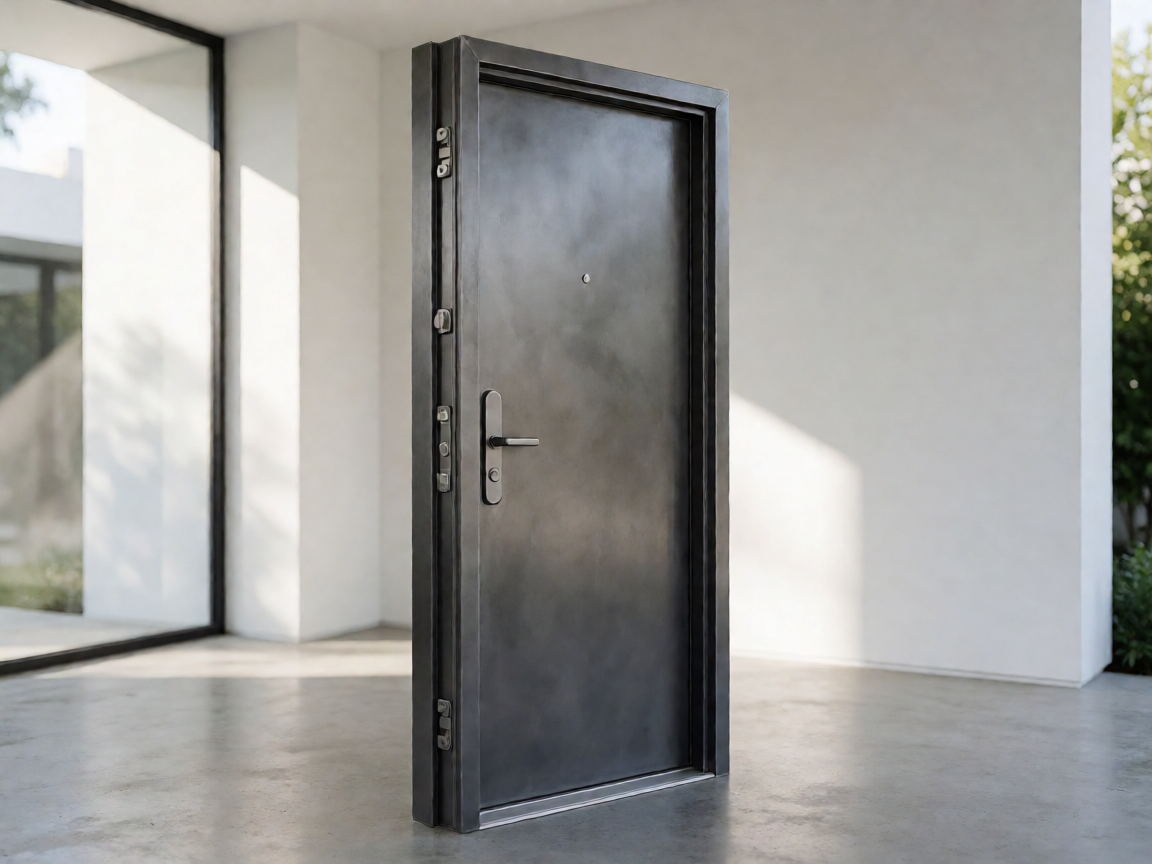
| Lock system | Multi-point mechanical or smart fingerprint lock | Are electronics and mechanical parts covered separately, and what is the spare-part availability period? |
| Hinges and seals | Adjustable heavy-duty hinges, EPDM gaskets | Are wearable parts covered, and how often are they expected to be replaced? |
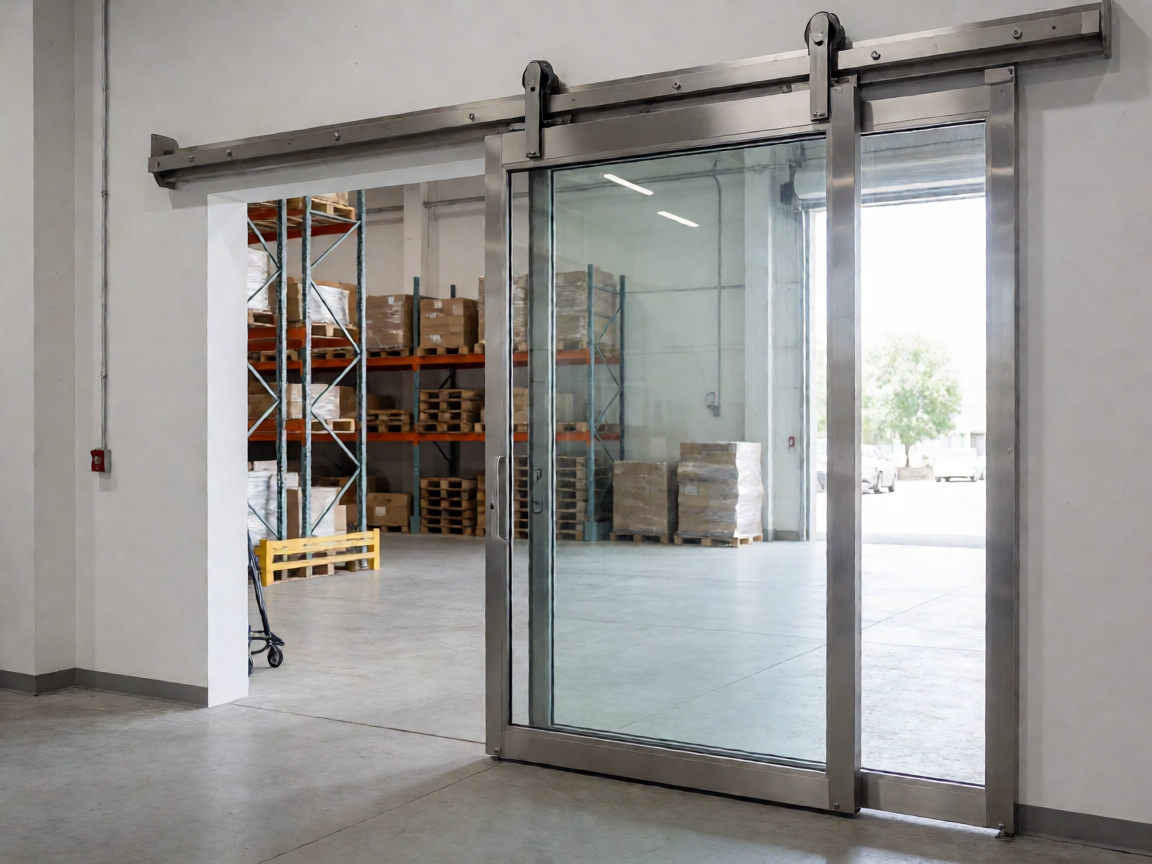
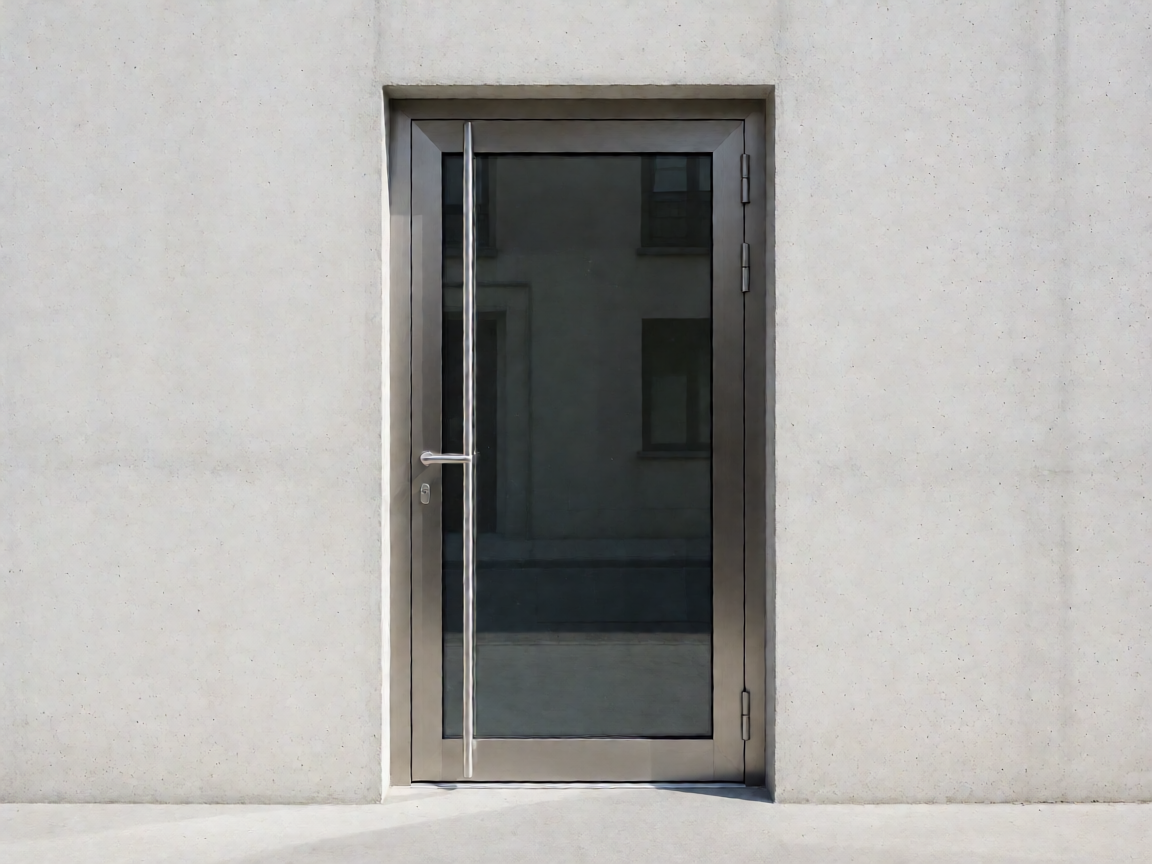
Two structural details deserve extra attention. First, a heavier leaf with a transom lintel puts more load on hinges and the frame; confirm the hardware is rated for the finished weight, not the standard model weight. Second, glass spliced exterior door designs use sealed units that rely on the frame’s drainage path — if water sits in the profile, the glass warranty will be voided by an installation fault the manufacturer considers out of scope.
Key Advantages for Villa Exterior Applications
Steel security doors earn their place on villa exteriors for reasons that also reduce warranty risk. A rigid welded frame holds alignment, so locks and hinges stay in adjustment instead of grinding themselves down. Powder-coated galvanized steel needs nothing more than occasional washing, which means fewer chemical cleaners eating into the finish. A well-sealed leaf with aluminum honeycomb filling resists panel drumming in wind and holds its shape through temperature swings.
Consistency also matters on larger projects. When a villa entrance pairs a steel security door with a custom aluminum courtyard gate and matching fencing, specifying the same coating system and colour code across all elements keeps the façade uniform and simplifies maintenance — one touch-up kit, one warranty contact, one respray schedule.
Available Custom Options and How They Affect Coverage
- Finish and colour: Standard powder coat versus textured or wood-grain finishes. Custom colours usually carry a shorter fade warranty than stock RAL shades.
- Opening direction: Left or right hand, inward or outward. Confirm reversing the handing at a later date does not void coverage.
- Smart fingerprint lock: Electronic modules typically carry 1–2 years, separate from the 5-year mechanical warranty. Ask who supplies replacement boards and how long they will be stocked.
- LED decoration: Integrated lighting should have its own line item covering drivers and wiring, plus clear guidance on who handles waterproofing failures.
- Transom lintel and sidelights: Added glazing increases weight and joint count; make sure the warranty acknowledges the full assembly as supplied.
- Custom sizing: Non-standard openings should be covered as engineered product, not treated as a “site-modified” exclusion.
Buying and Selection Tips: Warranty Questions to Ask
- What is the coverage period for the leaf, frame, finish, glass, hardware, and electronics separately?
- Is the warranty against perforation only, or does it include surface corrosion and coating defects?
- Are parts and labour both covered, or parts only?
- Who performs service — the factory, the distributor, or a local installer — and what is the stated response time?
- What voids the warranty? Common exclusions include coastal exposure within a set distance of salt water, installation by non-approved crews, site-cut openings, and painting over the factory finish.
- Is the warranty transferable to a new owner if the villa is sold?
- How long will spare hinges, lock bodies, and electronic modules remain available after the model is discontinued?
- Is the claim process documented, with a form, photo requirements, and an escalation contact?
- Does the warranty start at production, shipment, or handover — and is that date written on the invoice?
- Are maintenance actions required to keep coverage valid, such as annual hinge lubrication or seal inspection?
Conclusion
A steel security door is a long-life purchase, and the warranty is the manufacturer’s own statement about how long they expect it to last. Before signing, get the coverage schedule in writing, match each component to a realistic service life, and check that installation requirements are achievable on your site. Buyers who ask these questions early usually avoid the more expensive conversation later — the one that begins with a rust stain and ends with the phrase “not covered.”
Frequently Asked Warranty Questions from Specifiers
Does a longer warranty always mean a better door?
No. A 15-year finish warranty with narrow coverage can be worth less than a 7-year warranty that includes labour, coastal exposure, and transferability. Compare the exclusion list, the claim process, and the spare-part commitment before comparing the number of years.
How does coastal installation change the warranty?
Many manufacturers apply a distance limit — commonly 1–5 km from salt water — beyond which the finish warranty is reduced or excluded. If the villa sits inside that zone, request a coastal specification in writing: higher zinc mass, marine-grade stainless hardware, and a coating system rated for the exposure. Get the approval in the quotation, not after a claim.
Who is responsible when a smart lock fails two years after handover?
Usually the electronic module supplier, not the door factory. Ask for the module brand and model so you can verify parts availability independently, and confirm whether the door manufacturer handles the claim on your behalf or hands it off directly. For multi-unit villa projects, keep a small stock of modules on site — electronics lead times are the most common cause of extended downtime.
What documentation should be kept for a valid claim?
- Signed quotation with the full specification, including plate thickness and coating system
- Warranty certificate with the start date and serial or order number
- Installation record signed by the approved crew
- Date-stamped photographs at handover, showing finish condition and joint sealing
- Maintenance log for hinge lubrication and gasket inspection
Can the warranty be extended before it expires?
Some factories offer a paid extension for the leaf and frame, particularly on projects where the client expects to hold the property for 20 years or more. It is worth asking at the quotation stage — extensions are rarely offered retroactively, and the price is usually lower when bundled with the initial order.