Emergency Exit Doors: Installation Planning for Safe Egress
Planning emergency exit doors for a villa or residential project involves more than choosing a door that opens. Owners, builders, architects, and renovation contractors must balance life-safety code compliance with security, weather resistance, low maintenance, custom sizing, and clean installation. A door that sticks, needs a key, or corrodes at the hinges can delay egress. This guide covers practical material, specification, customization, and buying advice for villa exterior applications.
Core Materials for Reliable Emergency Exit Doors
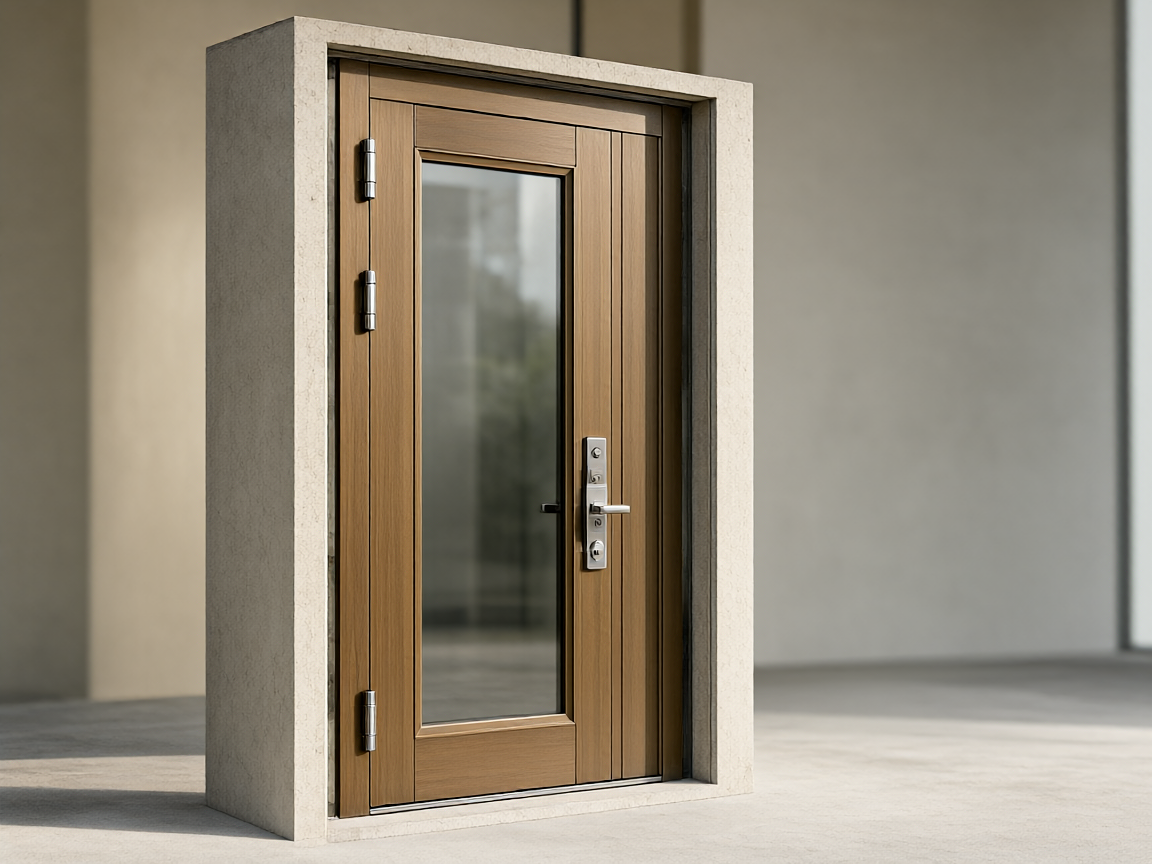
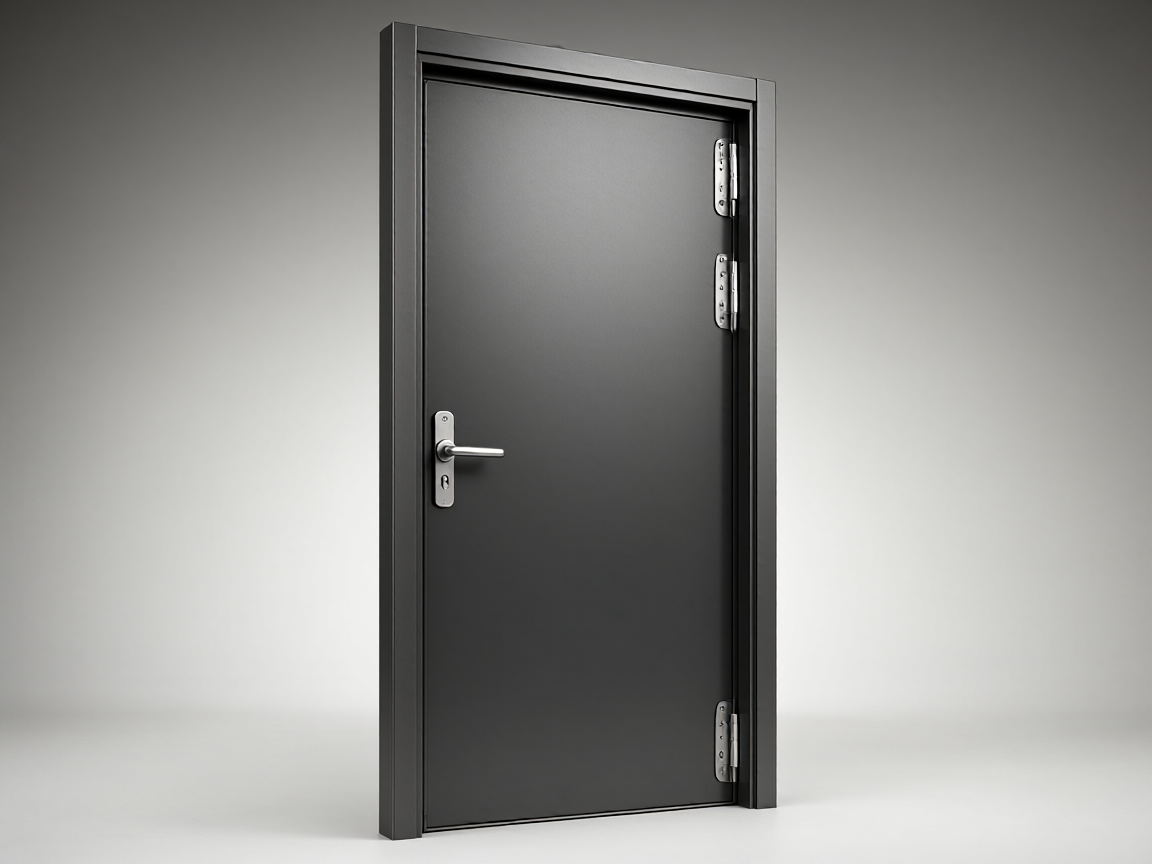
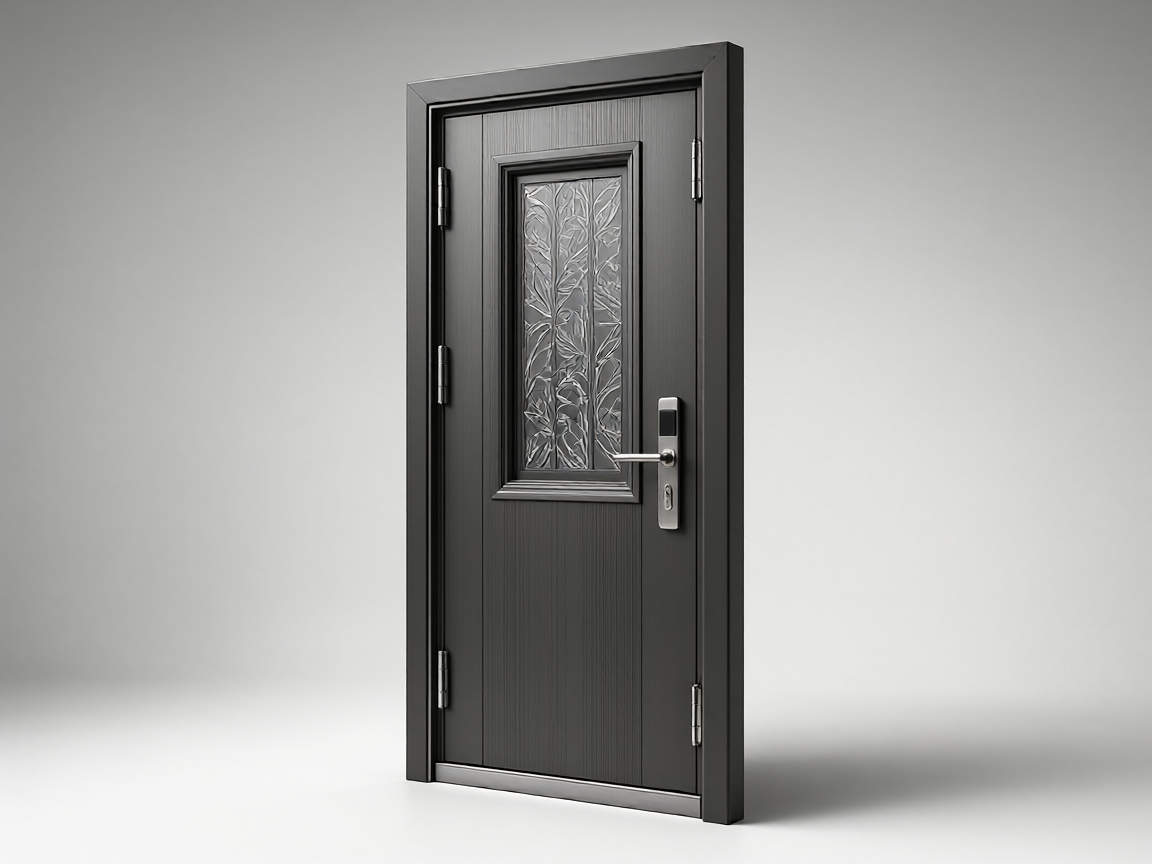
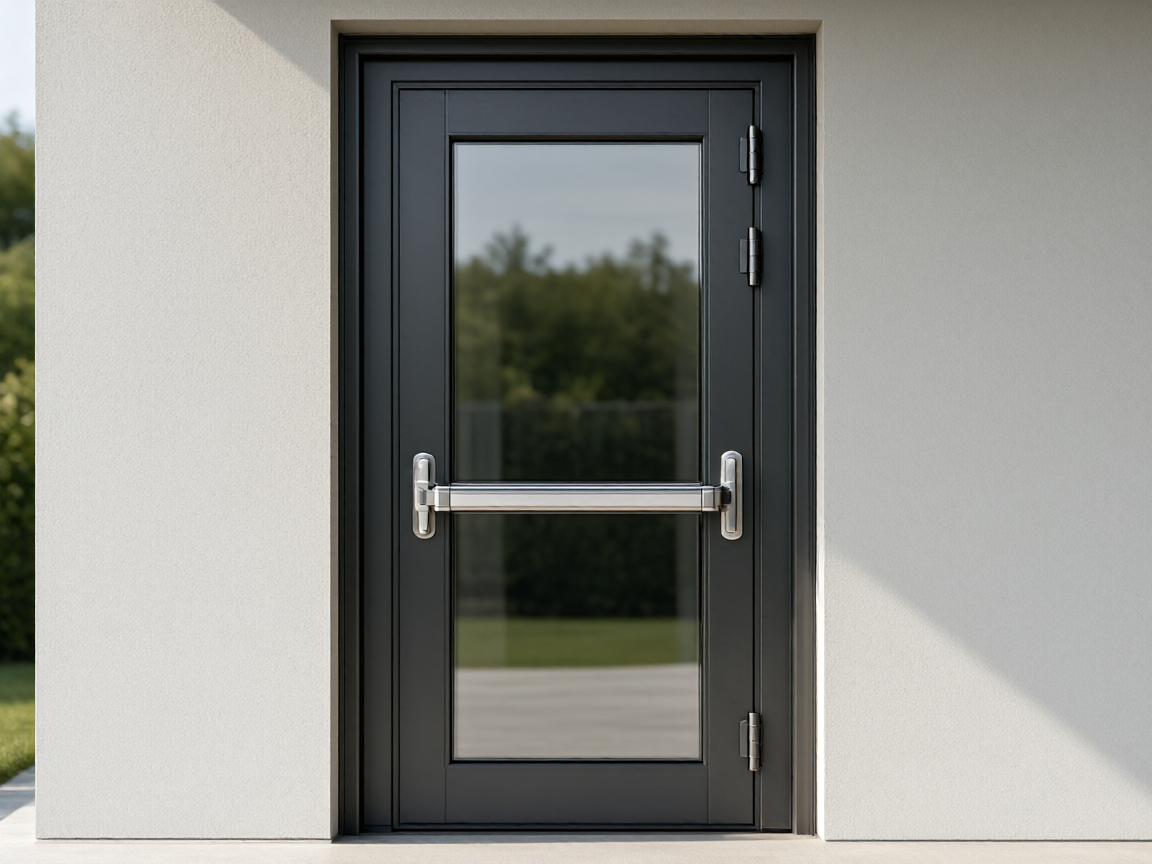
Material choice affects egress operation, strength, corrosion resistance, and maintenance. For villa exterior emergency exit doors, aluminum, steel, fiberglass, and wood are common. Aluminum is widely used in coastal and humid climates because it resists rust and needs less maintenance. Cast aluminum villa doors can add decorative profiles while keeping a rigid frame. Glass spliced exterior doors combine aluminum framing with safety glass for daylight and visibility at the exit. The material must support panic hardware and hinges without deflection. The leaf should be light enough for one-motion opening yet strong enough to resist forced entry. Aluminum honeycomb filling reduces weight while adding panel stiffness. Confirm that the assembly has test evidence for the intended application, especially if a fire rating or certified egress performance is required.
Product Structure and Specification for Safe Egress
A safe egress door depends on the complete assembly. Key specifications include frame thickness, plate thickness, filling, glass, and lock system.
- Frame thickness: For aluminum exterior doors, around 2.0 mm is common for rigidity; verify with the manufacturer for door size and wind load.
- Plate thickness: Leaf skins typically range from 1.5 mm to 2.0 mm. Thicker skins improve impact resistance but add weight; balance security with easy operation.
- Filling: Aluminum honeycomb filling provides a stable, lightweight core with good flatness. Ensure it is bonded and sealed against moisture.
- Glass: Use tempered or laminated safety glass. Glass spliced exterior doors should have glazing beads that cannot be removed from outside. Do not let glass reduce the clear opening.
- Lock system: Emergency exit doors must allow single-motion egress. Fit a panic exit device or push bar. A smart fingerprint lock may control entry, but it must include a mechanical override and must not require a key, code, or fingerprint to exit.
Also specify threshold height, closer force, hinge type, and signage. A low threshold reduces trip risk, and a closer that is too strong can block a child.
Key Advantages for Villa Exterior Egress Applications
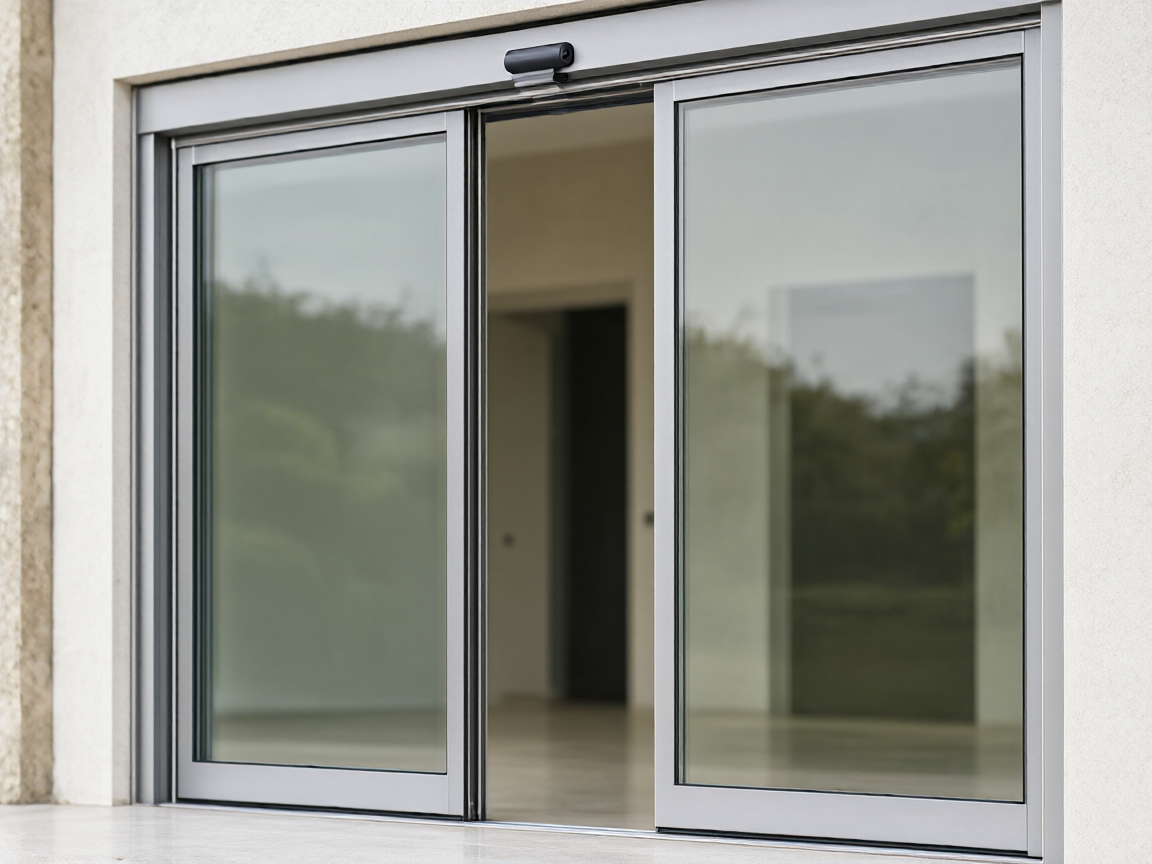
Villa exterior emergency exit doors face weather, security, and aesthetic demands. Aluminum systems resist rust in coastal and humid climates, reducing maintenance and preserving reliable operation. Powder-coated or anodized finishes protect against UV, salt spray, and rain. With proper drainage and sealing, aluminum doors handle wind-driven rain without swelling or warping. For egress, aluminum doors can be engineered with panic hardware, closers, and hold-open devices that balance security and single-motion exit. A custom aluminum courtyard gate can be integrated into a perimeter wall or garden exit, provided it includes compliant egress hardware and clear swing space. Cast aluminum villa doors can match the architecture while hiding internal reinforcements. Glass spliced exterior doors improve visibility at the exit. Aluminum honeycomb filling keeps large leaves stable and easier to operate. Smart fingerprint locks add daily convenience, but the exit side must always have a mechanical panic function.
Available Custom Options That Preserve Egress Compliance
Customization should not compromise egress. Review these options against local code:
- Finish and color: Powder coating, anodizing, and wood-grain finishes can match the facade. Coastal projects need higher corrosion resistance.
- Opening direction: Confirm the required swing direction. Egress doors often must swing in the direction of travel, but residential codes vary. Ensure the door does not swing over a step.
- Smart lock integration: A smart fingerprint lock can manage access, but pair it with a panic bar and mechanical override. The exit must not depend on electronics or batteries.
- LED decoration: Low-voltage, weather-rated LED strips can light the exit path. Keep wiring away from the swing path and panic hardware.
- Transom lintel: A fixed transom above the door adds daylight. It must be structurally independent of the egress leaf and must not reduce the clear opening.
- Custom sizing: Non-standard openings are common in renovations. Custom aluminum courtyard gates and cast aluminum villa doors can be fabricated to fit, but clear opening width and height must remain compliant. Glass spliced exterior doors can be sized to preserve vision panels.
Request shop drawings showing door swing, hardware locations, clear opening dimensions, and anchorage. Review them with the contractor and local authority before fabrication.
Buying and Selection Tips for Emergency Exit Doors
Use a checklist to avoid mistakes:
- Verify local code: Confirm clear opening size, swing direction, hardware height, landing, and fire rating. Requirements differ across North America, Europe, and Australia.
- Test the hardware: Operate the panic bar, closer, and lock. The door should open with one motion from inside without a key or special knowledge.
- Check corrosion protection: Ask for finish warranty and salt-spray data for coastal projects. Stainless steel hinges and fasteners reduce rust risk.
- Confirm structural performance: For large or glazed doors, request wind-load and impact reports. Match frame and plate thickness to door size.
- Plan installation tolerances: The rough opening must be square and plumb. Allow clearance for shims, sealant, and threshold. A binding frame can defeat egress.
- Schedule maintenance: Lubricate hinges and panic hardware, check seals, and test the exit device monthly. Keep a log for compliance records.
For villa projects, specify a custom aluminum courtyard gate or cast aluminum villa door with factory-installed egress hardware. Glass spliced exterior doors and aluminum honeycomb filling can improve daylight and operation, while a smart fingerprint lock adds access control when paired with a compliant panic exit device. Buy from a supplier that provides test reports, installation details, and after-sales support.
Conclusion
Emergency exit doors are life-safety components, not just exterior doors. Start installation planning with code review, then specify material, structure, hardware, and customization. For villas, aluminum systems offer rust resistance, low maintenance, and design flexibility. Custom aluminum courtyard gates, cast aluminum villa doors, glass spliced exterior doors, aluminum honeycomb filling, and smart fingerprint locks can all be part of a compliant solution if egress is protected. Verify clear openings, swing direction, panic hardware, and installation quality before ordering. With the right planning, a villa can have a secure, attractive exterior door that provides reliable safe egress.