Access Control Doors: Repair Options for Common Entry Issues
Access Control Doors are expected to do more than open and close securely. For villa owners, builders, architects, and renovation contractors, the common pain points are predictable: forced-entry risk, rust and corrosion, ongoing maintenance, custom sizing errors, and installation tolerances that affect alignment and access-control hardware. When a door begins to stick, a reader fails, or a glass seal leaks, the repair options depend on the door’s material, structure, and serviceable parts. Understanding those details before replacing an entire entry system can save time and preserve the original design intent.
Core Material Introduction
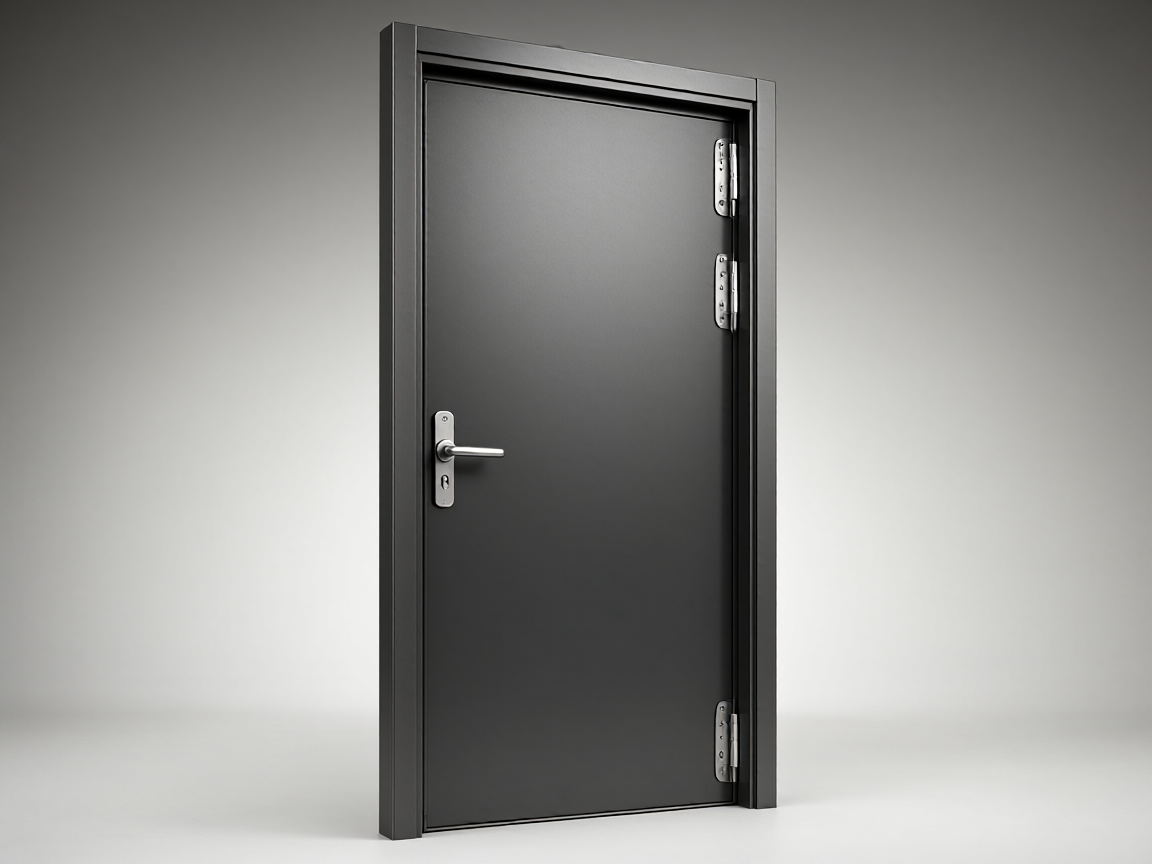
Most villa access-control entry doors use aluminum, steel, or wood. Aluminum is the most practical choice for exterior Access Control Doors because it does not rust like steel and requires less refinishing than wood. A cast aluminum villa door uses cast panels for deeper profiles and a solid feel; damaged sections can often be repaired or replaced without changing the whole frame. A custom aluminum courtyard gate typically uses extruded aluminum frame sections with cast or fabricated infill, which makes hinge and lock repairs more straightforward than with welded steel. Steel doors are strong but need galvanized coating and powder coat; chips can rust. Wood needs regular sealing. For repairs, aluminum is forgiving: minor dents can be filled, finishes touched up, and hardware replaced. However, dissimilar metals can cause galvanic corrosion, so specify stainless hinges, lock parts, and isolation washers. If an existing door is corroding at the bottom rail or hinge, section replacement may be better than repeated patching.
Product Structure and Specification Explanation
Repair success depends on how the door is built. Use the following specification checklist when evaluating Access Control Doors or planning repairs:
| Component | Specification to check | Repair relevance |
|---|---|---|
| Frame thickness | 2.0–3.0 mm aluminum for villa exterior; heavier sections for large leaves | Thin frames distort; realignment and hinge repairs become temporary |
| Plate thickness | 1.2–2.0 mm skins; cast aluminum villa door panels at impact zones | Dents can be filled or panels replaced if hardware is serviceable |
| Filling | aluminum honeycomb filling or insulated core | Honeycomb keeps the leaf stable and light; a damaged core usually means leaf replacement |
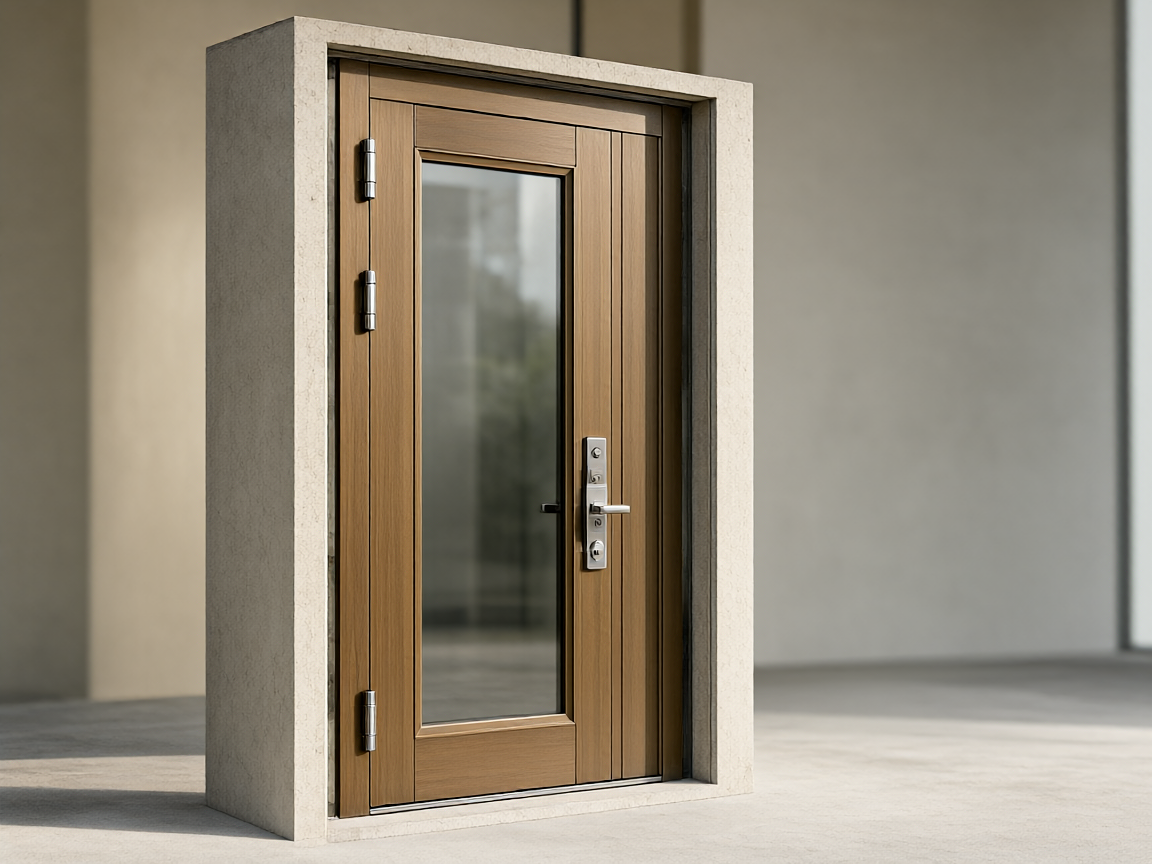
| Glass | Tempered or laminated glass with replaceable gaskets; glass spliced exterior door designs | Seal failure causes fogging or leaks; glass and gaskets can be replaced |
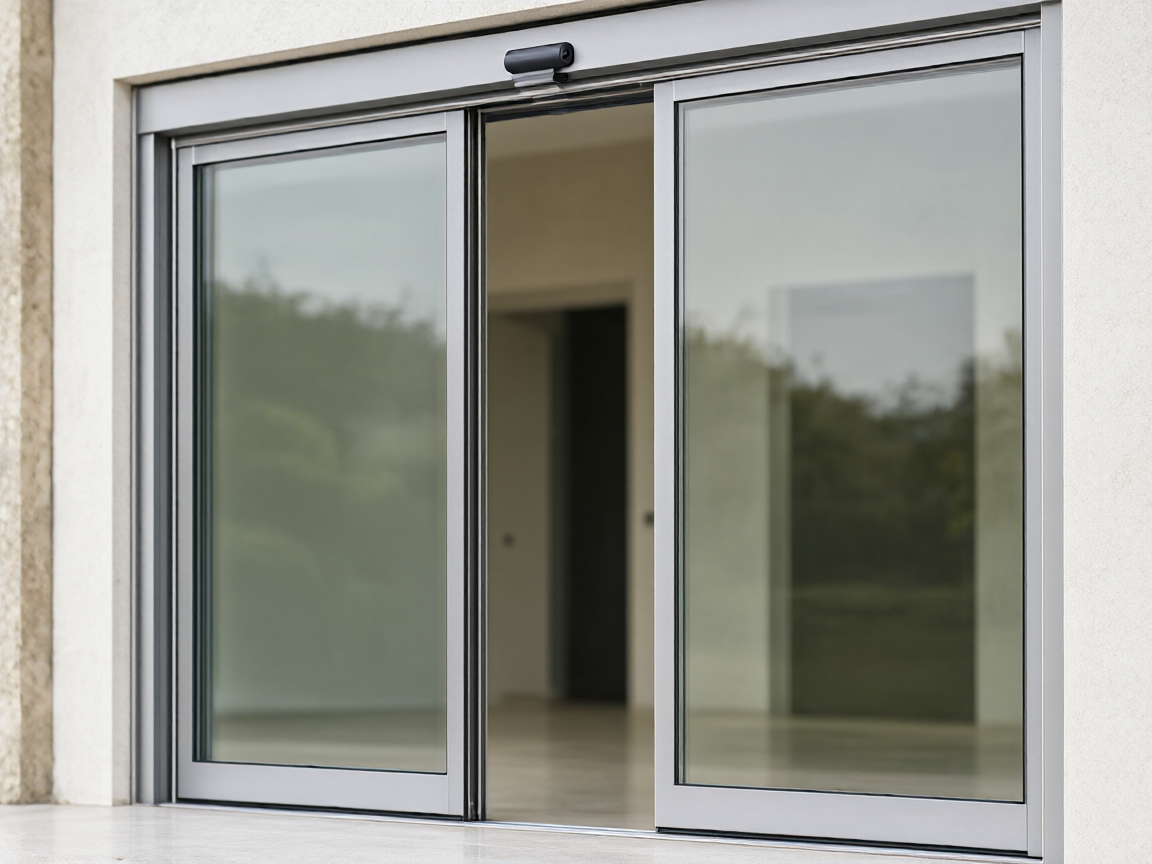
| Lock system | Mechanical mortise, electric strike, smart fingerprint lock, or access control module with standard backset | Removable cassettes and standard backset simplify lock repair and upgrades |
Also check hinge type, closer, threshold drainage, and wiring route. Common entry issues include sagging leaves, strike misalignment, failed lock modules, worn seals, and finish wear. Repair options range from adjusting 3D hinges and replacing hinge bushings to swapping a lock cassette, replacing gaskets, or refinishing a panel. If the frame is sound and the leaf is square, targeted repairs are usually more economical than full replacement.
Key Advantages for Villa Exterior Applications
For villa exterior applications, well-specified Access Control Doors offer a balance of security, weather resistance, and serviceability. Aluminum frames with aluminum honeycomb filling resist warping and keep large leaves manageable for hinges and access-control hardware. A glass spliced exterior door adds daylight without sacrificing the controlled entry point, while a cast aluminum villa door provides visual weight and durability at the entry. From a maintenance perspective, the key advantage is replaceable components: adjustable hinges, standard lock cassettes, replaceable gaskets, and touch-up finishes. These features reduce the need to replace an entire door when a lock reader fails or a seal ages. Coastal or high-humidity projects should prioritize corrosion-resistant finishes and stainless hardware. For builders and renovators, this serviceability matters because callbacks often come from alignment, sealing, and access-control integration, not from the door leaf itself.
Available Custom Options
- Finish and color: PVDF, powder coat, anodized, or wood-grain aluminum; request a touch-up kit for later repairs.
- Opening direction: left- or right-hand, inward or outward; confirm swing clearance for access control devices and thresholds.
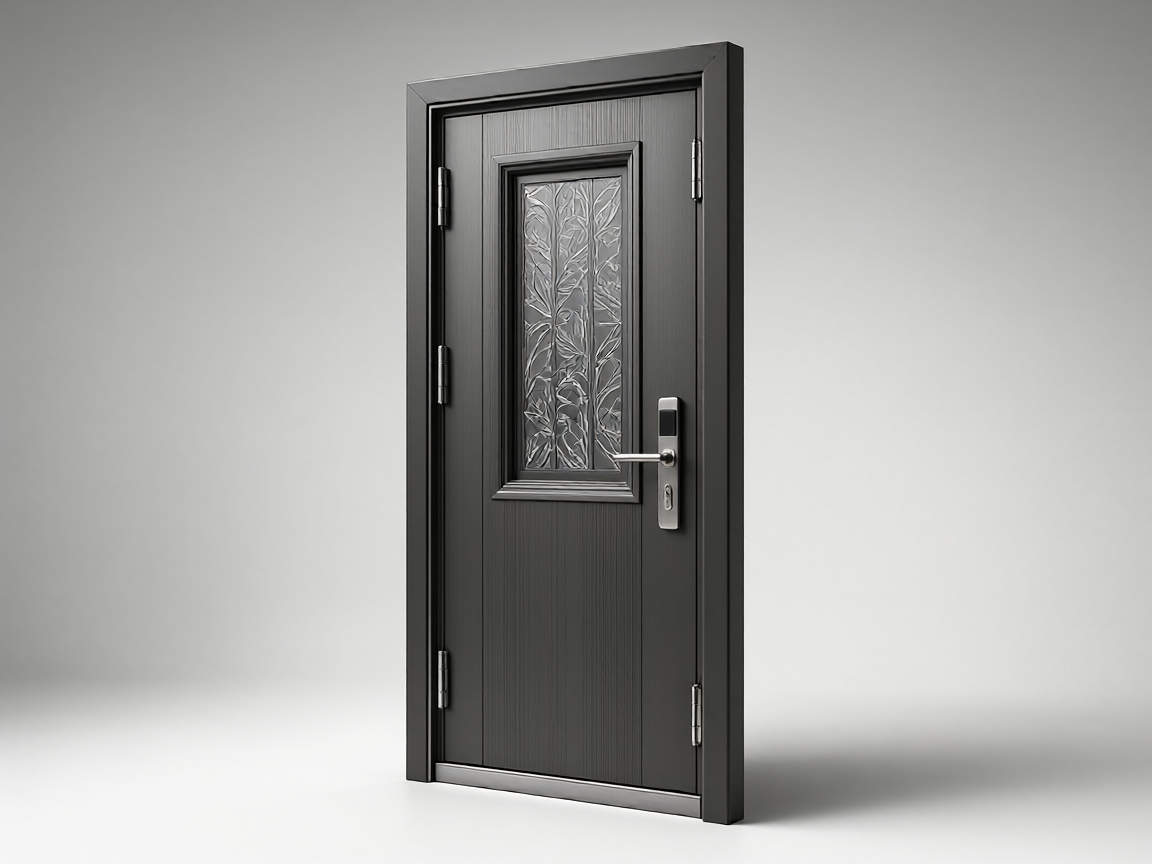
- Smart lock: smart fingerprint lock, keypad, card, or app-based control with mechanical override and backup power.
- LED decoration: low-voltage lighting with an accessible driver so repairs do not require panel removal.
- Transom lintel: fixed glass or panel above the door; confirm frame integration and drainage.
- Custom sizing: sidelights, non-standard widths, and a custom aluminum courtyard gate matched to the entry.
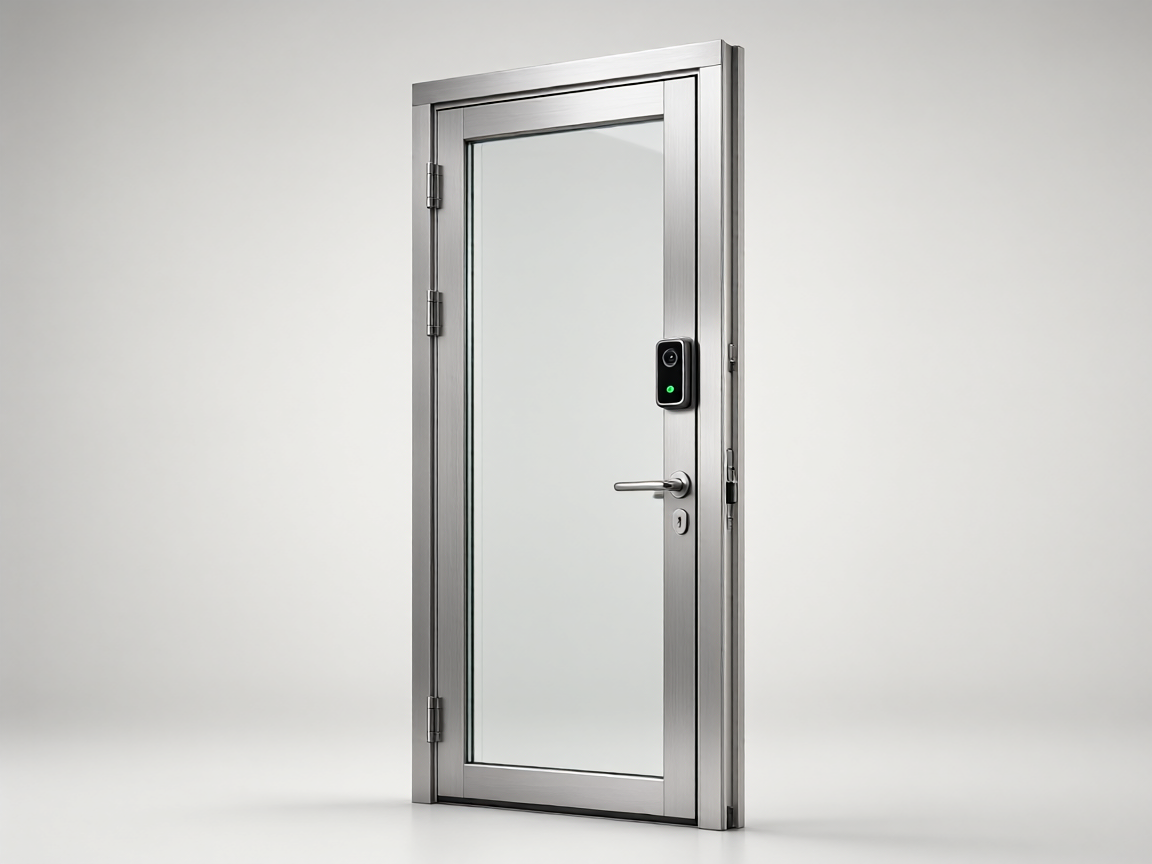
Specify these options with repair access in mind. A smart fingerprint lock is only practical if the lock body, wiring, and power supply can be reached without dismantling the door.
Buying and Selection Tips
- Measure the rough opening and check wall squareness; an out-of-square opening causes alignment issues that no hinge adjustment can fully solve.
- Confirm the access-control protocol, power supply, fail-safe or fail-secure operation, and request a wiring diagram before ordering.
- Choose serviceable hardware: standard backset, removable lock cassette, adjustable hinges, and replaceable glass gaskets.
- Ask for spare parts availability, finish touch-up products, and clear warranty terms covering hardware and labor.
- Check threshold drainage and weather sealing, especially for outward-opening doors exposed to wind-driven rain.
- For coastal projects, specify stainless-steel hinges and fasteners, isolation washers, and a corrosion-resistant finish.
- Compare repair and replacement honestly: if the frame is structurally sound, repairing the leaf or hardware may be enough; if corrosion or distortion is widespread, replacement is more reliable.
Conclusion
Access Control Doors perform best when the material, structure, and hardware are selected for serviceability, not only appearance. Aluminum frames, aluminum honeycomb filling, quality glass sealing, and a removable smart fingerprint lock or lock cassette give owners and contractors realistic repair paths for common entry issues. Whether the project uses a cast aluminum villa door, a glass spliced exterior door, or a custom aluminum courtyard gate, the practical rule is simple: specify components that can be adjusted, replaced, and refinished. That approach protects security, controls maintenance costs, and reduces downtime at the most important opening in the building.