Automatic Doors: Lead Time Planning for New Installations
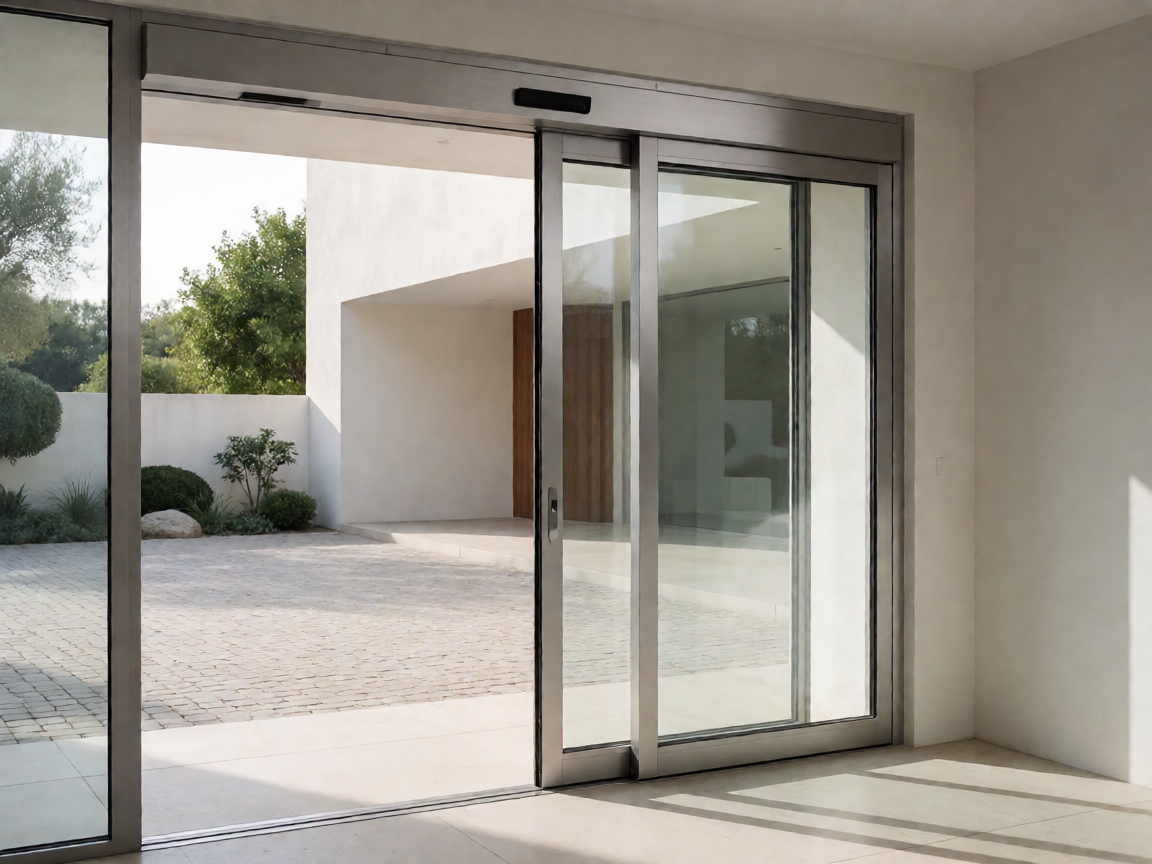
A new automatic door installation rarely fails because of the door itself. It stalls because of the questions that surface late: Will the finish survive salt air and constant sun? How much upkeep does the surface need? Can the opening be built to an awkward driveway width? Who is responsible for installation, and how long will the property be without a secure entrance? For villa owners, home builders, architects, and renovation contractors, most of these concerns are settled long before the first post is anchored — in the specification and the lead time plan.
Automatic doors are engineered assemblies, not catalogue items pulled from a shelf. Frame profile, panel construction, glazing, locking, and drive system each add processing steps, and every step adds days. The practical approach is to understand what you are ordering, then build the schedule around the decisions that actually control the calendar.
Core Material: The First Decision That Shapes the Timeline
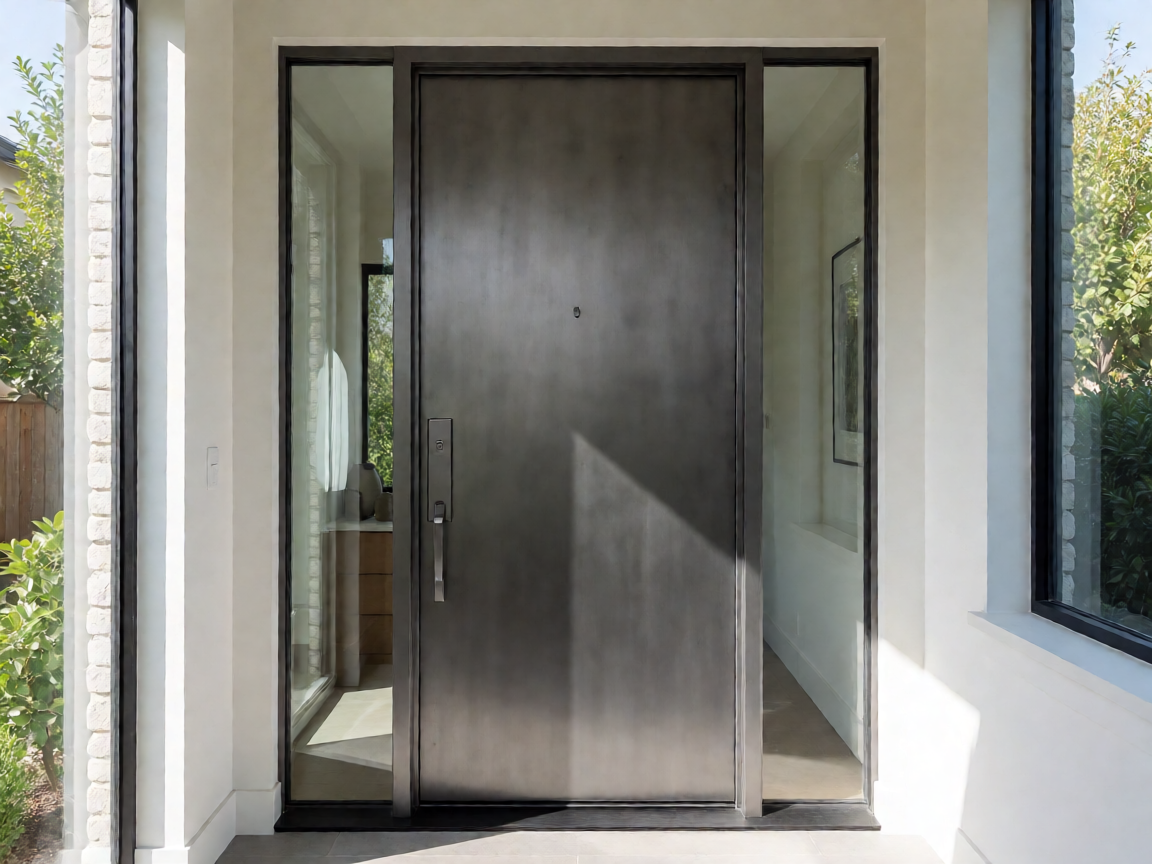
Most villa exterior systems are built on extruded aluminium alloy, typically 6063-T5 or an equivalent grade. Aluminium does not rust, holds a coating well, and keeps a large gate leaf light enough for a motor to move safely for years. Surface treatment — powder coating, PVDF, anodising, or a sublimated wood-grain finish — determines both appearance and the maintenance burden.
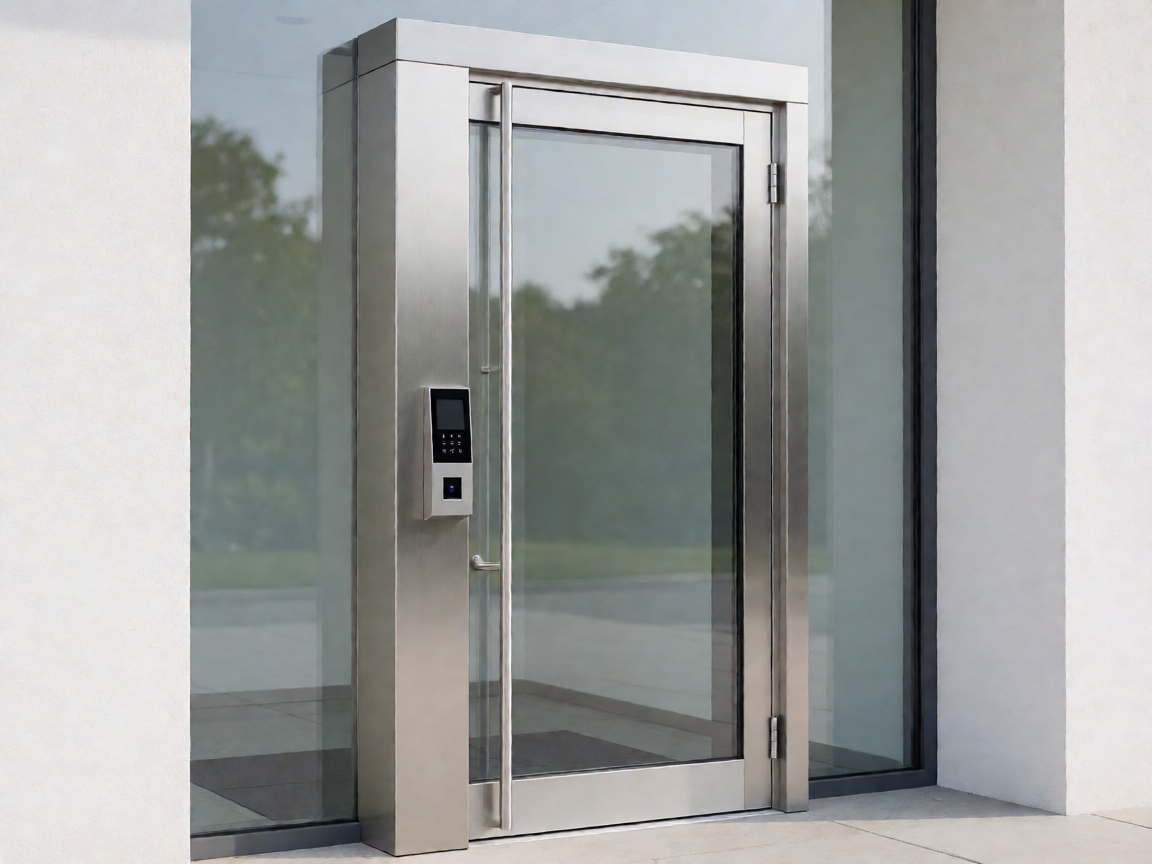
Decorative panels are where material choice starts to affect lead time. A cast aluminum villa door uses cast panels for depth and ornament, and each new pattern requires a mould before production can begin. If you choose an existing pattern, the casting stage is measured in days; a new design can add weeks. Sheet aluminium panels with laser-cut or CNC-formed detailing are faster to produce and are the usual choice when the schedule is tight. A glass spliced exterior door combines aluminium framing with tempered or laminated glass inserts, adding a glazing supplier to the critical path — a step that is easy to overlook when the project calendar is drawn up.
Product Structure and Specifications: What You Are Actually Ordering
Five specification points drive performance, price, and production time. Settling them early is the single most effective way to protect your schedule.
- Frame thickness. Load-bearing stiles and rails are commonly 2.0 mm to 3.0 mm wall thickness. Heavier sections resist wind deflection on wide openings but take longer to fabricate and require stronger hinges and motors.
- Plate thickness. Cast decorative panels typically run 8–12 mm; formed aluminium sheet is usually 1.5–3.0 mm. Thicker panels look more substantial and improve security, at the cost of weight and machining time.
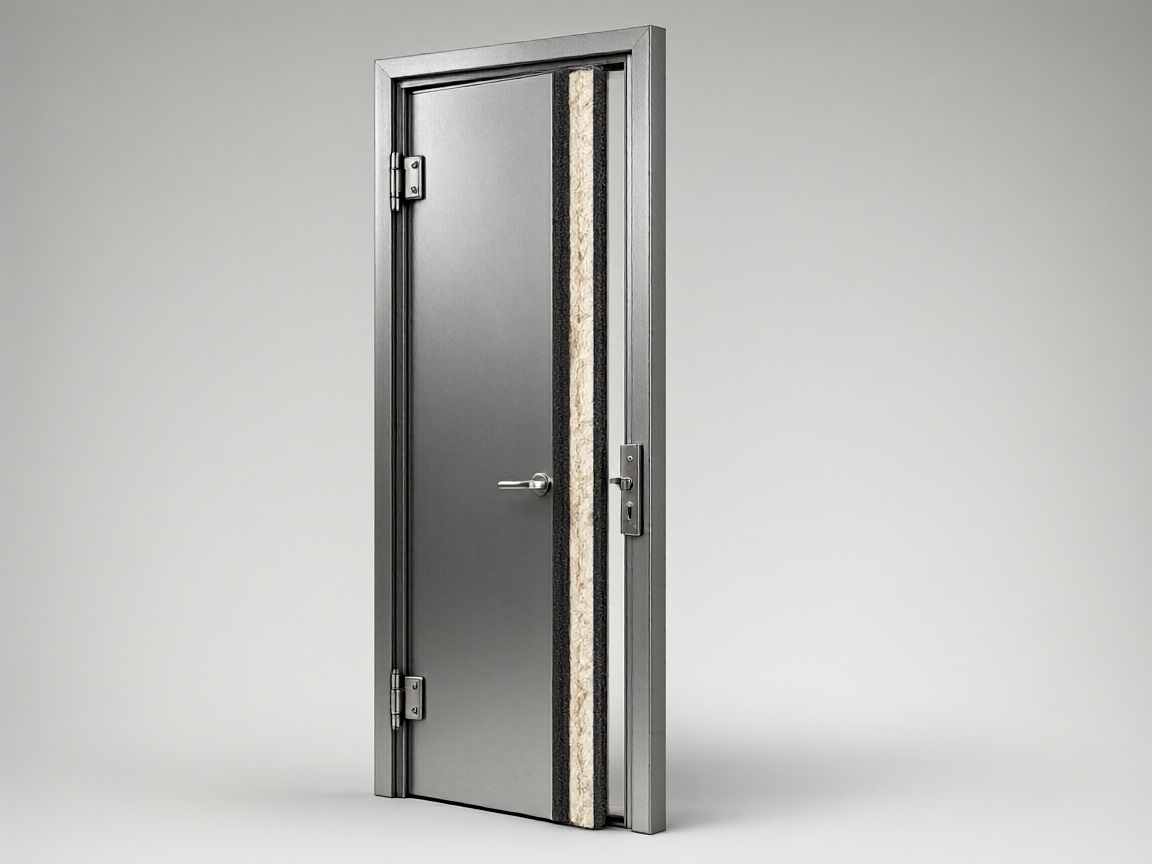
- Filling. Aluminum honeycomb filling inside the leaf gives rigidity without excessive weight, resists moisture, and improves acoustic separation between the street and the house. It is the standard core for large automatic leaves.
- Glass. Use tempered glass at minimum, and laminated or insulated glass where privacy and thermal performance matter. Non-standard sizes extend glazing lead time, especially for laminated units.
- Lock and drive system. A smart fingerprint lock integrated with the gate controller, plus keypad, intercom, and remote options, must be specified together with the automation so wiring and mounting points are prepared in the factory rather than improvised on site.
| Stage | Typical duration | Common cause of delay |
|---|---|---|
| Site measurement and drawing approval | 5–10 working days | Unconfirmed opening dimensions, late design changes |
| Material preparation (extrusion, casting, glass) | 10–20 working days | New cast patterns, non-standard glass sizes |
| Fabrication and surface finishing | 10–15 working days | Custom colour matching, wood-grain sublimation |
| Automation assembly and factory testing | 3–5 working days | Hardware chosen after production started |
| Packing and shipping | 15–45 days by sea | Port congestion, incomplete documentation |
| Installation and commissioning | 2–5 days | Site power or driveway base not ready |
Key Advantages for Villa Exterior Applications
Aluminium entrance systems hold up where timber and steel struggle. They resist corrosion in coastal and humid climates, will not rot or require repainting every few years, and need only occasional cleaning with mild detergent. A properly braced frame with honeycomb-filled leaves handles wind load on exposed plots without the weight penalty of solid construction.
Security comes from the assembly rather than any single part: a reinforced frame, a multi-point lock, concealed hinges, and a motor with obstacle detection and battery backup. Because the leaf weight is controlled, the automation runs with less strain, which reduces wear on the operator and lowers long-term servicing costs. For architects, the predictable module sizes and finishes make it easier to align the gate with fencing, cladding, and the house facade.
Available Custom Options
Customisation is where schedules are most often lost, so it pays to know which options are routine and which add production steps.
- Finish and colour: standard powder-coat colours are quickest; custom RAL matching, PVDF, anodised, and wood-grain finishes add processing time.
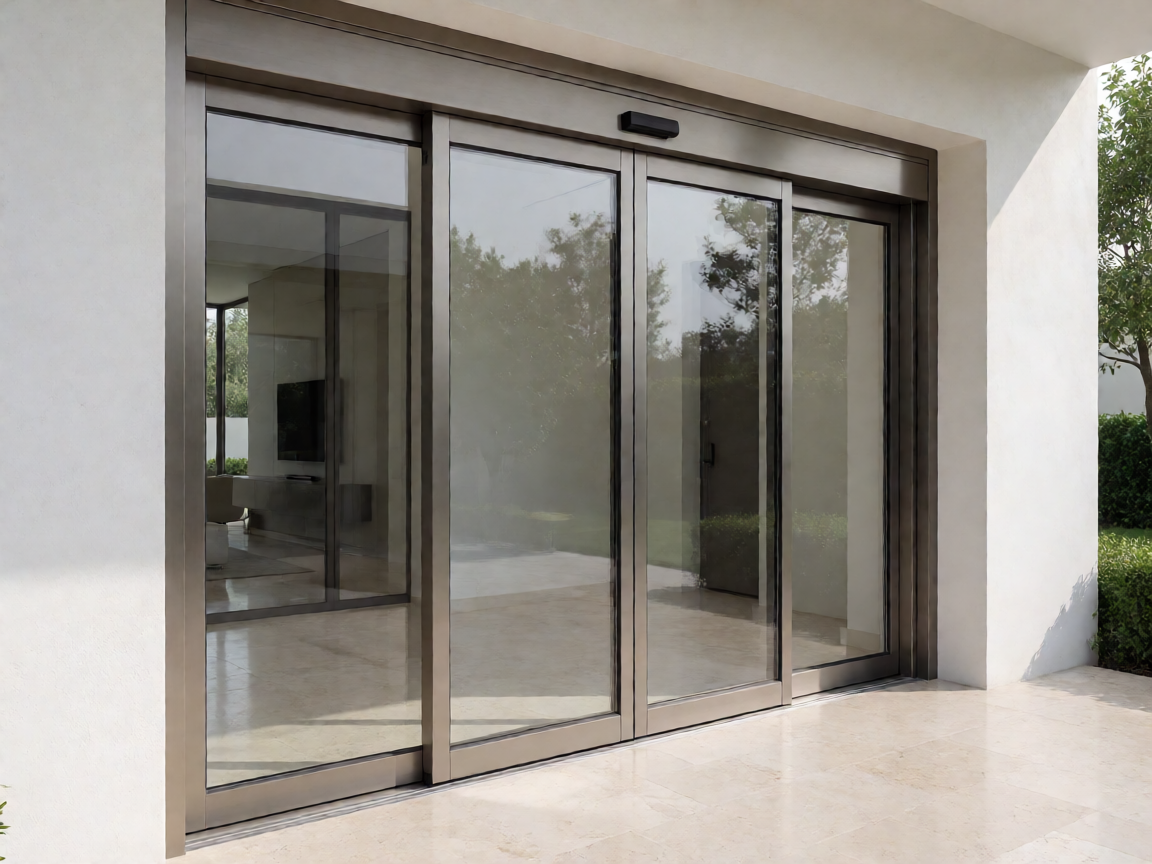
- Opening direction and type: swing, sliding, or telescopic sliding, with inward or outward operation. Sliding systems need a clear track zone, so confirm this at measurement stage.
- Smart locking: smart fingerprint lock, keypad, app control, and video intercom integration.
- LED decoration: integrated lighting in the frame or handrail, which requires low-voltage wiring planned in advance.
- Transom lintel: a fixed upper section that adds architectural presence and lets you match the gate height to the facade.
A custom aluminum courtyard gate sized to a non-standard opening is entirely achievable — but it should be treated as a made-to-order product with its own production window, not as a variation on a stock item.
Buying and Selection Tips for a Predictable Schedule
- Finalise dimensions, finish, opening type, and locking before paying a deposit. Post-deposit design changes reset drawing approval and can push the production slot back.
- Approve shop drawings in writing and keep one decision-maker for sign-off.
- Order the automation and access control at the same time as the door so they are factory-fitted and tested together.
- Prepare the site in parallel: level foundation, drainage, conduit, and a 230 V or 110 V power point at the gate post.
- Add a two-week buffer for shipping and a few days for commissioning before any event or handover date.
- Ask for a written production schedule with milestone dates, not a single delivery estimate.
Conclusion
Lead time on automatic doors is not a fixed number — it is the sum of your specification choices. Choose standard finishes, existing cast patterns, and confirmed dimensions, and a villa entrance system can move through production efficiently. Choose bespoke detailing, and the same project simply needs a longer runway. Decide the materials, structure, and custom options first, map them against a milestone schedule, and the installation becomes a planned phase of the build rather than a late surprise.