Sliding Doors: Maintenance Tips to Keep Tracks and Rollers Smooth
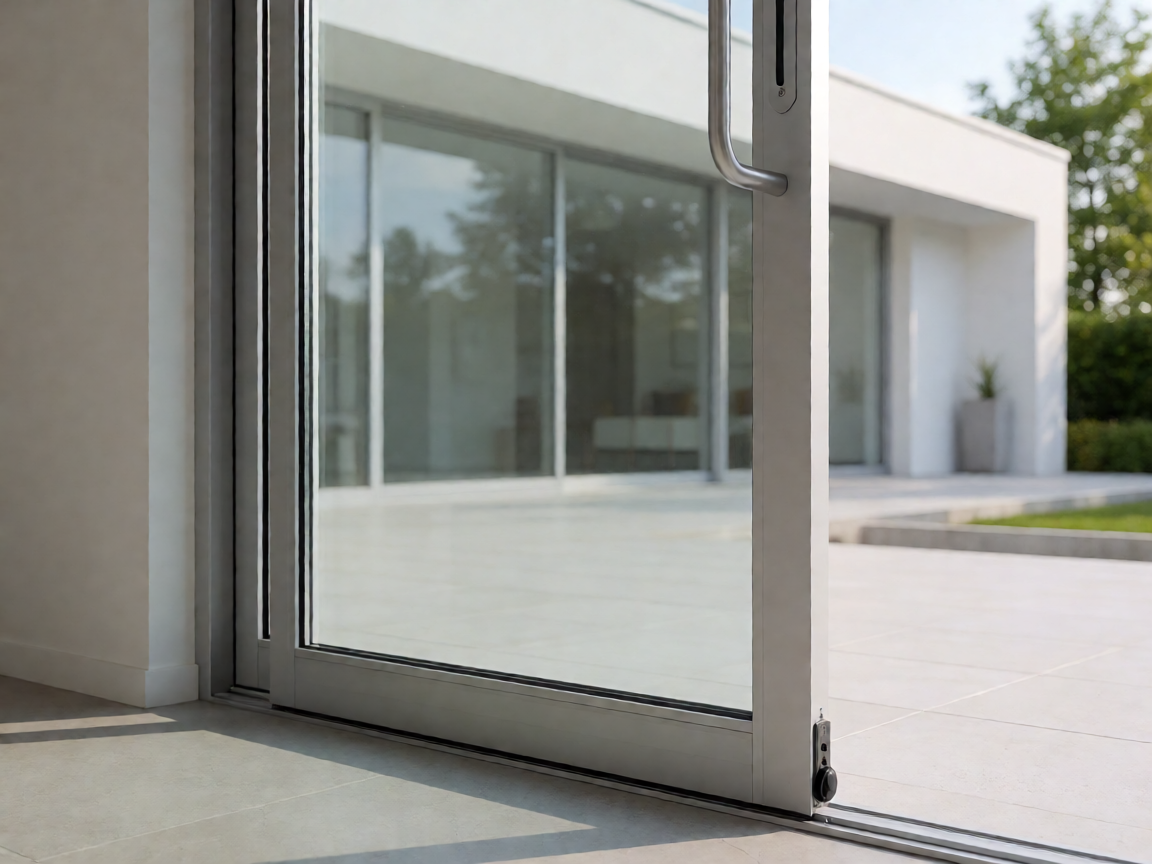
Why Sliding Doors Stick—and How to Prevent It
Few building elements cause more frustration than a sliding door that no longer slides. Owners report panels that grind, jump the track, or stop closing flush. Builders and renovation contractors hear about it months after handover. Architects see it as a detailing failure in the specification. In almost every case, the cause is not the door panel itself but the interface between track, roller, and threshold—combined with outdoor conditions that are rarely accounted for at installation.
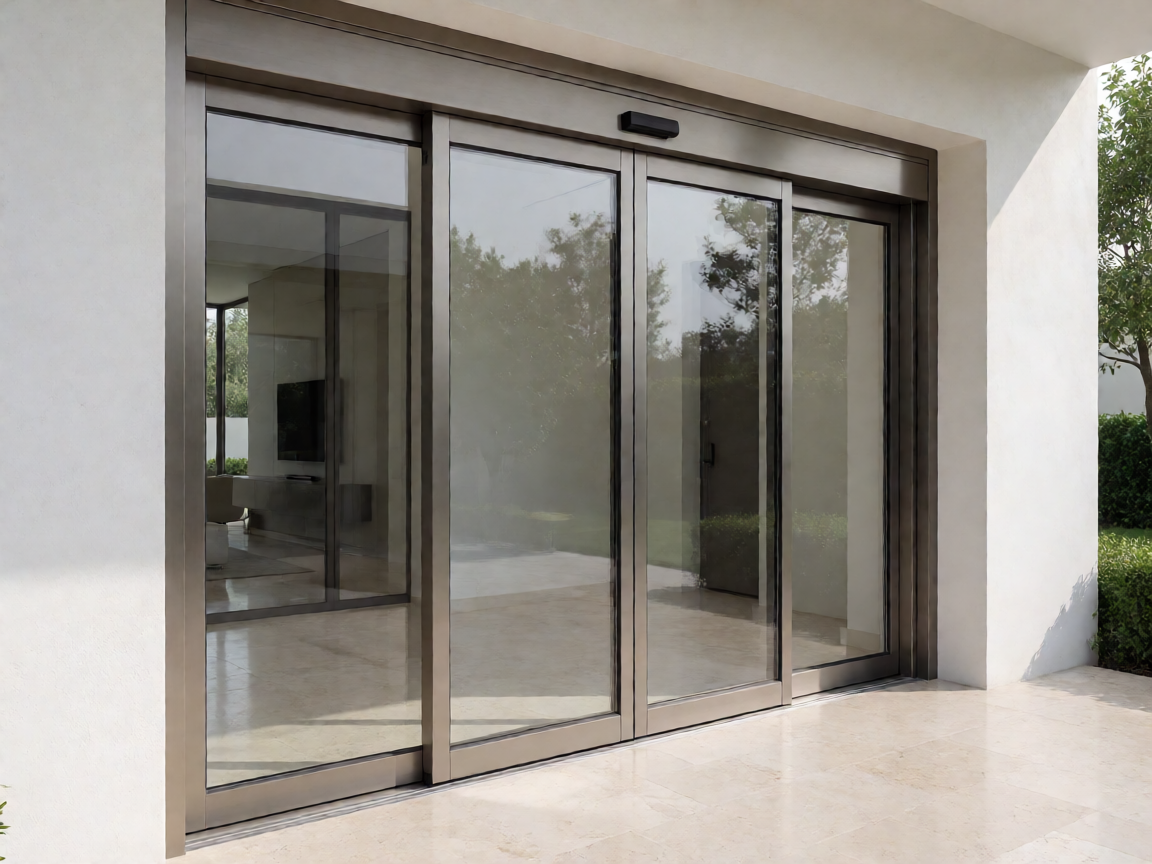
Exterior sliding doors face salt air, wind-driven dust, pollen, monsoon rain, and freeze-thaw cycling. Aluminum resists corrosion well, but a track filled with grit will wear through even a good roller bearing within two seasons. Security matters too: a sliding panel must resist lifting out of its track. Custom sizing and installation tolerance are equally important, because a 5 mm out-of-square opening can make a perfectly good door feel defective. This guide covers the materials, specifications, and maintenance routines that keep tracks and rollers smooth for the long term.
Core Materials: What Separates a Smooth Track from a Sticky One
The sliding performance of a door begins with extrusion quality. Exterior-grade systems should use 6063-T5 or 6060-T66 aluminum alloy, heat-treated for dimensional stability. Thin, recycled-content profiles deflect under panel weight, which twists the track and forces rollers to climb the side walls.
- Track and rail: Hard-anodized aluminum or a stainless steel insert running inside an aluminum channel. Anodizing hardness matters more than thickness claims—ask for the micron rating.
- Rollers: Sealed-bearing nylon or stainless steel wheels rated to the actual panel weight, not a nominal figure. Unsealed rollers pack with dust and flatten.
- Fasteners and guides: A2 or A4 stainless steel. Zinc-plated screws are the first thing to fail in coastal environments.
- Surface finish: Powder coating at 60–80 microns with a documented salt-spray result, or a quality anodized finish. Poorly cured coatings chalk and trap dirt against the track.
Material choice is also a maintenance decision. A properly finished aluminum system needs rinsing and wiping, not painting or rust treatment—an important consideration for a custom aluminum courtyard gate that must match adjacent sliding panels in both color and upkeep.
Product Structure and Specification Explained
Specifications should be read as a system, not a list of numbers. Frame thickness, panel skin, filling, glazing, and locking all affect how the door tracks, seals, and ages.
| Component | Typical exterior specification | Why it matters for sliding |
|---|---|---|
| Frame profile thickness | 2.0–3.0 mm | Resists deflection under panel load; keeps the track straight |
| Panel skin / plate thickness | 1.2–2.0 mm aluminum sheet; heavier for cast panels | Controls panel weight and flatness |
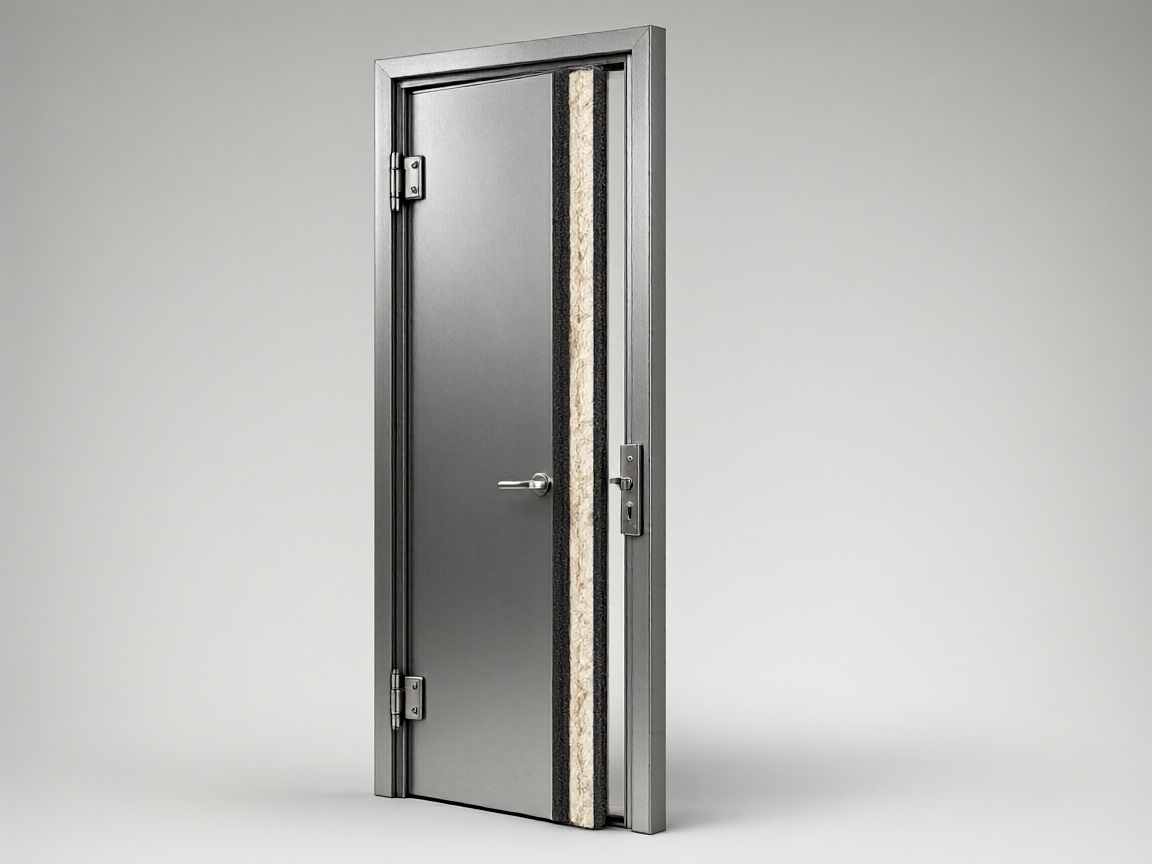
| Filling | Aluminum honeycomb filling, PU foam, or mineral wool | Rigidity without excess weight; less track wear |
| Glass | 6–8 mm tempered or laminated, or double glazed | Wind load and safety; weight distribution across rollers |
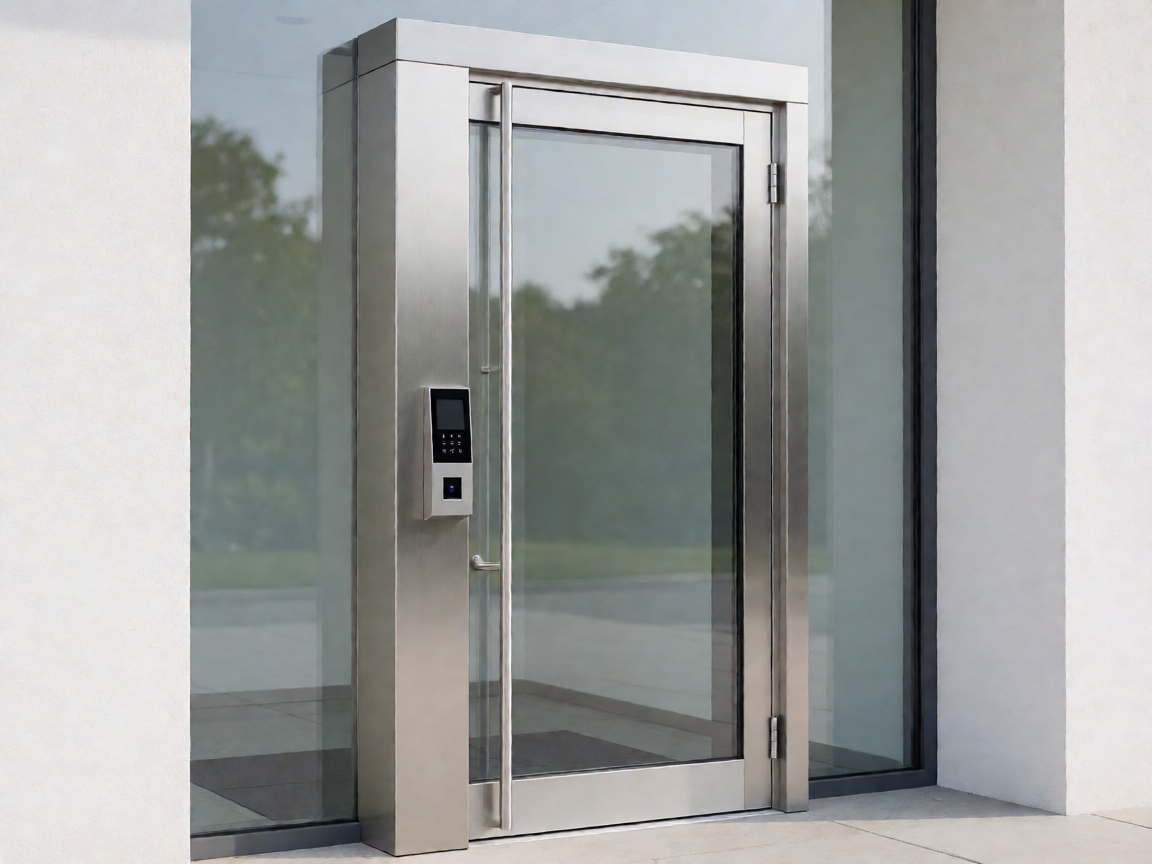
| Lock system | Multi-point with anti-lift pins; smart fingerprint lock optional | Security without adding friction to the slide |
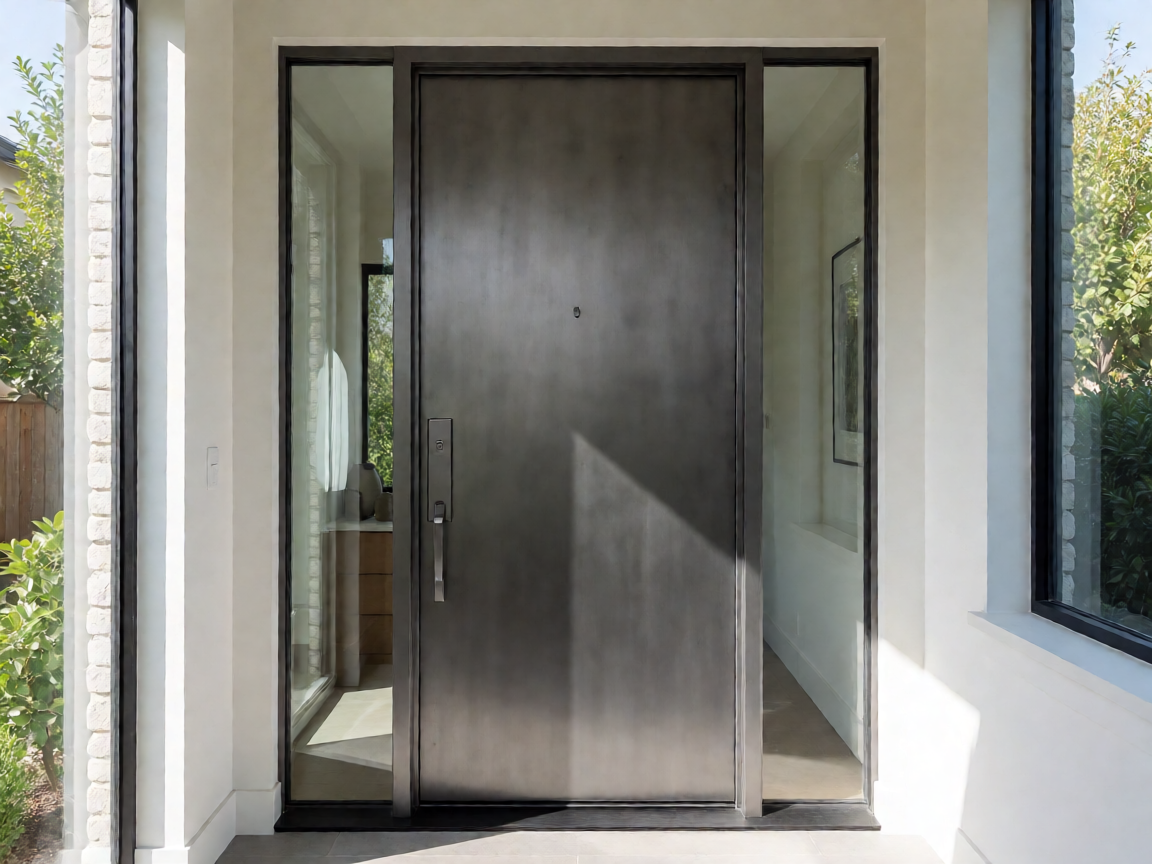
For decorative exterior assemblies, a cast aluminum villa door panel is heavier than a flat sheet panel, so the roller rating and track profile must be upgraded accordingly. Where larger glazed spans are required, a glass spliced exterior door combines narrow aluminum mullions with laminated glass—attractive, but it demands accurate levelling, because glass weight amplifies any track misalignment. Panels built with aluminum honeycomb filling are typically lighter and stiffer, which reduces roller load and makes daily operation noticeably smoother.
Key Advantages for Villa Exterior Applications
- Corrosion resistance: Aluminum with a sound finish will not rust; maintenance is cleaning rather than refinishing.
- Low maintenance: No painting, no lubrication of painted surfaces, no annual varnish cycles.
- Security: Anti-lift blocks, multi-point locking, and concealed fixings keep panels seated in the track.
- Weather sealing: Brush seals, EPDM gaskets, and a raised track with drainage slots manage wind-driven rain.
- Large openings: Sliding panels free up driveway and terrace space that swing gates would occupy.
- Serviceability: Rollers and guide blocks should be replaceable without removing the entire frame.
A Practical Maintenance Routine for Tracks and Rollers
Most sliding faults are preventable with fifteen minutes of work per quarter. The goal is to keep the track clear, the rollers free, and the drainage open.
| Task | Frequency | Method |
|---|---|---|
| Clear track of grit and leaves | Monthly | Soft brush and vacuum crevice tool; never a metal scraper |
| Wash track and threshold | Quarterly | Damp cloth with mild detergent; rinse and dry |
| Clean drain slots | Quarterly | Flush with water; confirm water exits at the outer face |
| Lubricate rollers and guides | Every 6 months | Silicone spray only—grease attracts grit and hardens |
| Inspect roller wear and height | Annually | Adjust the eccentric or height screw so the panel sits level |
| Check seals, gaskets, fixings | Annually | Replace compressed brush seals; tighten stainless fasteners |
Two habits matter more than any product. First, keep the track dry and debris-free—grit is what destroys bearings. Second, never force a panel that has started to bind; friction usually indicates a misaligned track, a worn roller, or a shifted threshold, and forcing it transfers the damage to the frame. Coastal sites should be rinsed monthly, and sites with heavy pollen or construction dust need more frequent track clearing.
Available Custom Options
- Finish and color: Powder-coated RAL and custom shades, anodized, wood-grain sublimation, two-tone frames.
- Opening direction: Left or right slide, bi-parting, telescopic multi-panel, and slide-and-swing combinations.
- Access control: Mechanical multi-point locks, keypad entry, or a smart fingerprint lock with app and audit-log access for rental and estate management.
- Lighting: Integrated LED strips in the frame or track cover for evening visibility and driveway definition.
- Transom lintel: Fixed transom panels above the sliding opening for extra height and daylight without increasing panel weight.
- Dimensions: Made-to-measure widths, heights, and thresholds, including flush and raised-track variants.
Buying and Selection Tips
- Measure the finished opening, not the rough opening, and confirm the track can be shimmed level in both directions.
- Match roller rating to panel weight with a minimum 30% reserve.
- Request salt-spray and coating-adhesion reports rather than relying on finish descriptions.
- Confirm anti-lift and anti-jump features in writing, especially where the door is the primary perimeter barrier.
- Check threshold drainage and the slope of the external sill before installation, not after.
- Ask for a spare-parts list—rollers, seals, and guide blocks should be orderable individually.
- Review the warranty terms for rollers and tracks separately; these are the components that wear.
Conclusion
Smooth sliding is the result of sensible specification and a simple maintenance habit. Choose the right alloy, frame thickness, filling, and roller rating for your panel weight and climate, install the track level with working drainage, and keep it clear of grit. Owners who rinse and wipe their tracks quarterly, lubricate with silicone twice a year, and adjust rollers annually will rarely need to think about their sliding doors at all—which is exactly the outcome builders, architects, and villa owners should be specifying for.