Villa Entrance Doors: Installation Planning for Grand Entrances
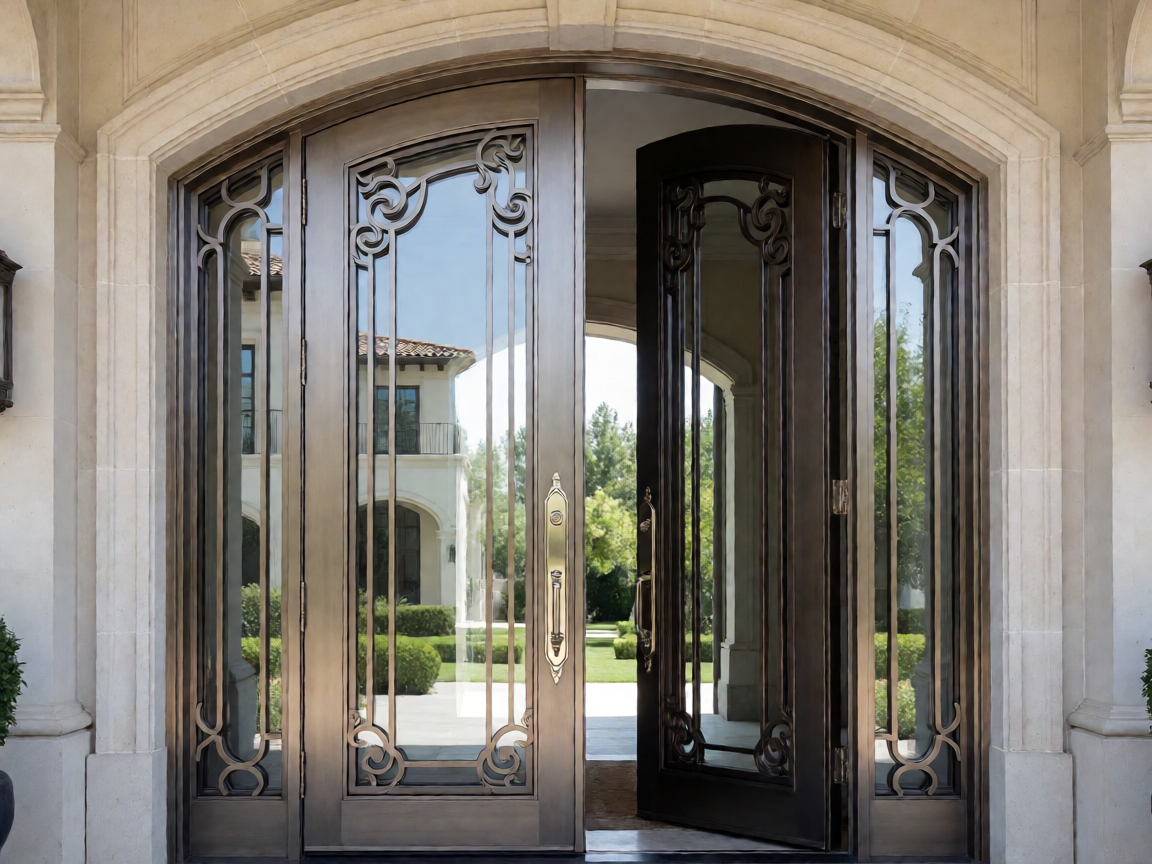
Villa Entrance Doors: Installation Planning for Grand Entrances
Villa entrance doors are more than a decorative front elevation. They are the first security barrier, the primary weather seal, and one of the few building components that owners, guests, and installers interact with every day. Yet many projects run into trouble before the door is even hung: openings are measured before the structural frame is final, coastal corrosion is underestimated, oversized leaves are specified without adequate hinge support, and smart locking systems are selected without confirming power, wiring, or emergency override. The result is often a beautiful door that arrives late, fits poorly, or requires costly site modifications. This planning guide covers the practical decisions that matter for villa owners, builders, architects, and renovation contractors, from core material selection to custom sizing and final installation coordination.
Core Materials for Villa Entrance Doors
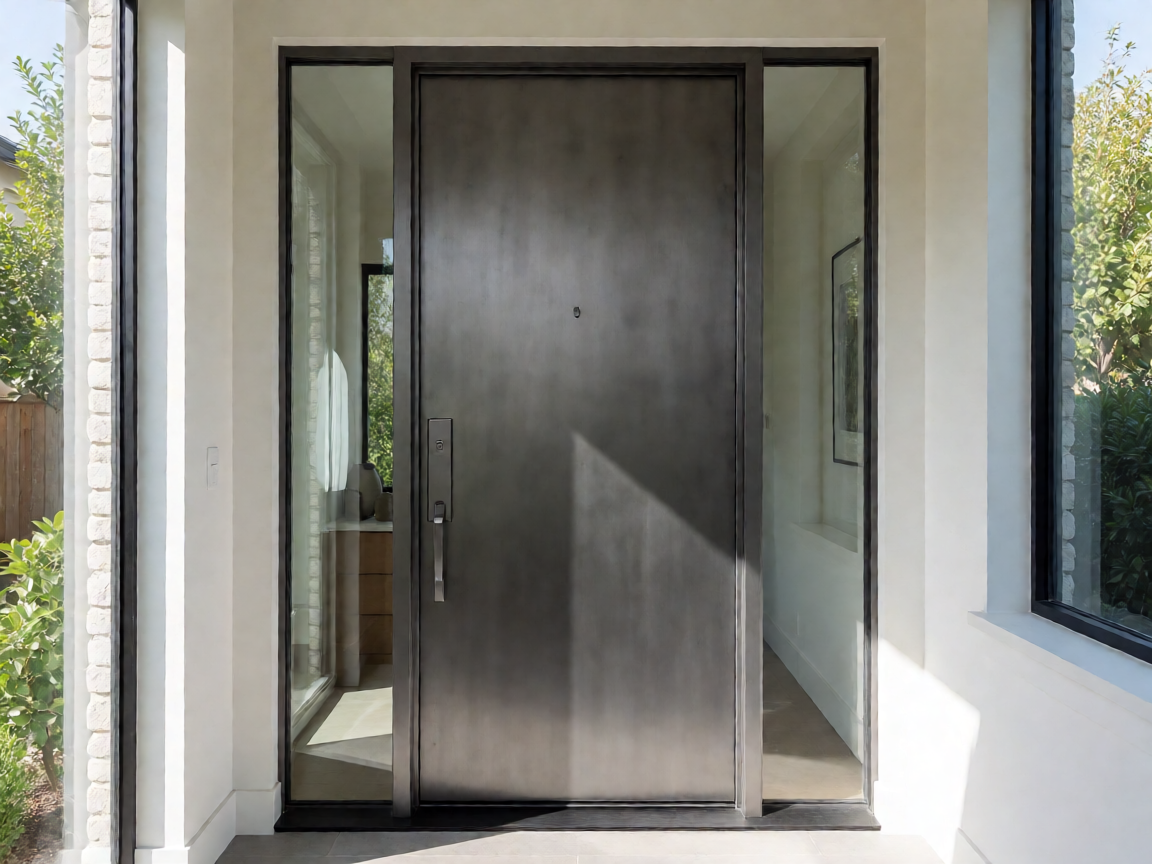
Most high-performance villa entrance doors use aluminum alloy frames and panels, typically 6063-T5 or 6061-T6, because aluminum offers dimensional stability, corrosion resistance, and low maintenance in humid, coastal, and cold climates. Extruded aluminum frames provide straight profiles and accurate hardware machining, while cast aluminum villa door panels allow deeper relief, decorative detailing, and a more traditional or estate-style appearance. Cast panels are thicker and heavier than stamped skins, so they require stronger hinges and precise frame reinforcement.
For exterior applications, the finish system matters as much as the alloy. Powder coating provides good color stability and impact resistance; PVDF coatings are often specified for high-UV or coastal exposures. Stainless steel hardware, including hinges, handles, and locking points, should be matched to the local environment. Thermal breaks are also worth considering where energy codes or indoor comfort requirements apply. A well-specified aluminum door does not rust like steel, but it still needs correct drainage, gaskets, and finish care to avoid tea staining or galvanic corrosion at mixed-metal connections.
Product Structure and Specification Planning
Villa entrance doors are usually custom-made, so specifications should be fixed before the rough opening is closed. The table below shows typical planning ranges, not universal rules. Local wind load, security rating, and energy code requirements should determine the final figures.
| Component | Typical specification | Planning note |
|---|---|---|
| Frame profile | 2.0–3.0 mm wall thickness, thermally broken where required | Confirm anchoring method and subframe type before masonry or cladding is completed. |
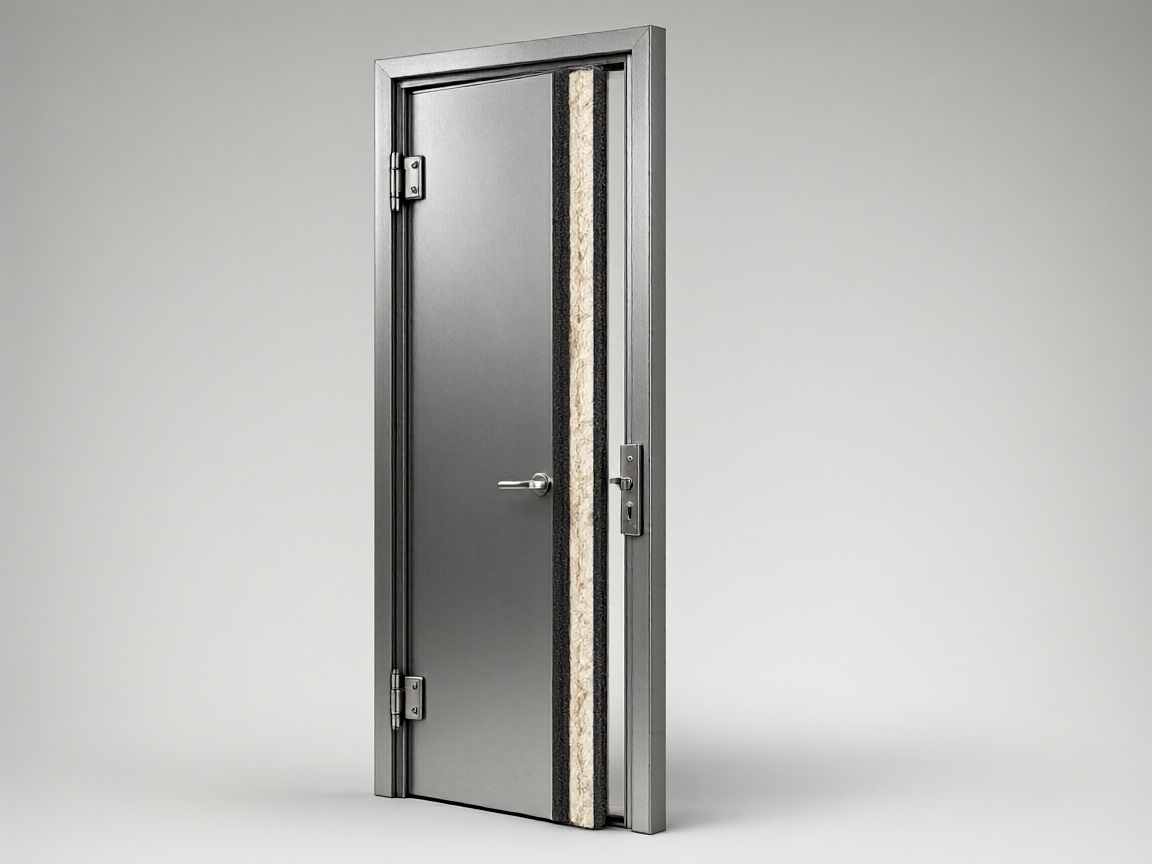
| Door leaf sheet | 1.0–2.0 mm aluminum sheet, or thicker cast panel | Heavier panels need reinforced stiles and heavy-duty hinges. |
| Infill | Aluminum honeycomb filling, polyurethane foam, or composite insulation | Honeycomb improves flatness and impact resistance; foam improves thermal performance. |
| Glass | 6–8 mm tempered glass, or laminated 6 + 1.52 PVB + 6 | Use laminated glass where safety glazing, acoustic control, or security is a priority. |
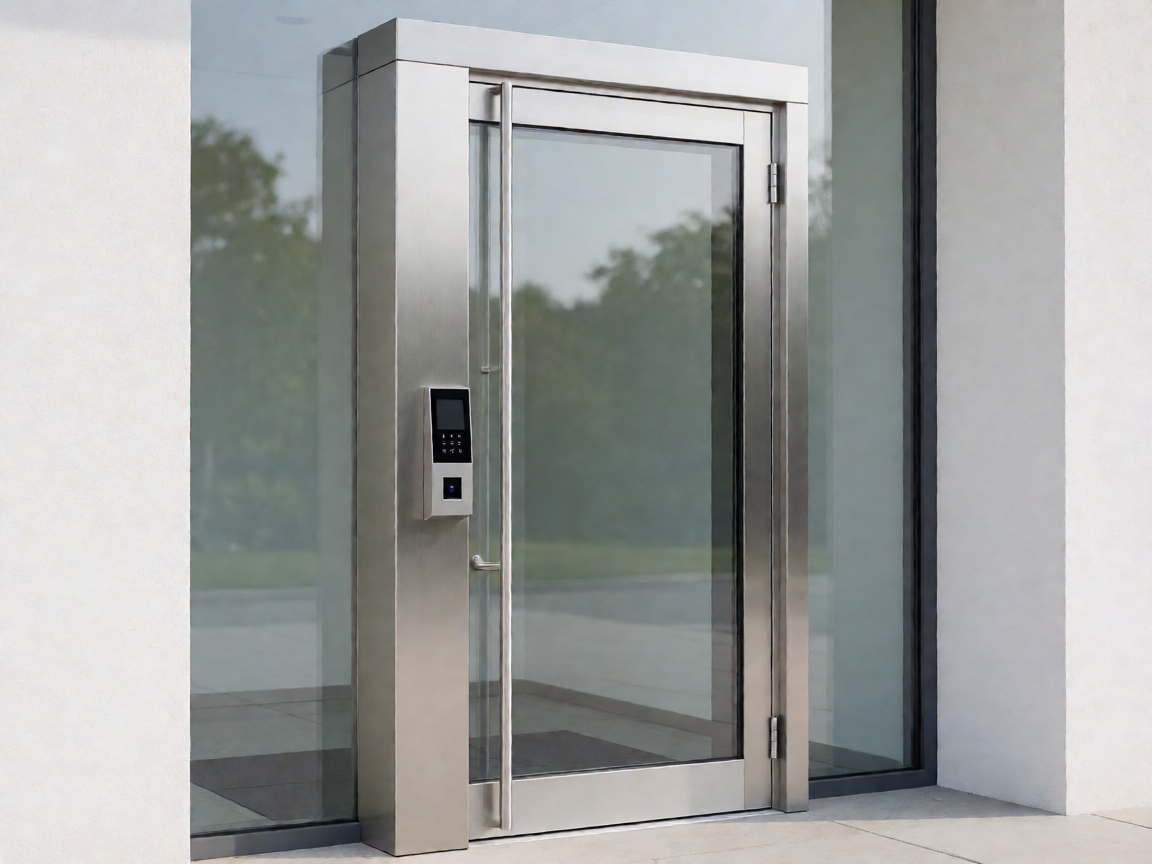
| Lock system | Multipoint mortise lock, optional smart fingerprint lock | Check door thickness, backset, cylinder access, and mechanical override. |
| Hinges and threshold | 3D adjustable heavy-duty hinges; drained threshold | Allow clearance for adjustable hinges and confirm sill drainage path. |
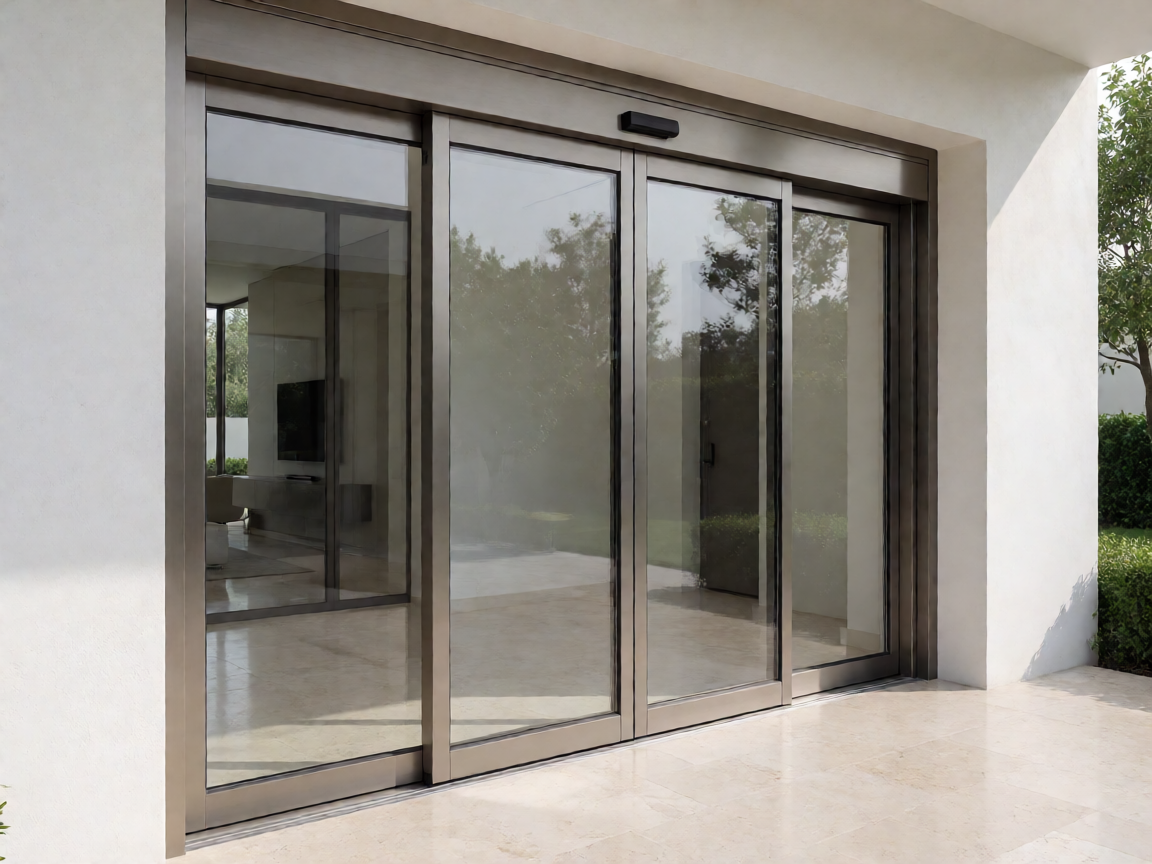
For oversized openings, engineers should verify leaf weight, wind pressure, and anchorage. A glass spliced exterior door combines aluminum framing with large glass panels, so the frame must be stiff enough to control deflection and keep the glass edges isolated from direct contact. Weather sealing should include a combination of EPDM gaskets, brush seals, and a raised threshold with drainage. The lock system should be specified as a complete package, not added after the door is manufactured.
Key Advantages for Villa Exterior Applications
- Security: Multipoint locking, reinforced frames, and concealed hinges create a more resistant entrance than single-point residential locks.
- Corrosion resistance: Aluminum frames with suitable coatings perform well in coastal and humid climates when hardware and drainage are correctly specified.
- Low maintenance: Routine cleaning and periodic hardware adjustment are usually sufficient; no repainting is required for factory-coated aluminum.
- Design flexibility: Custom sizing, transom lintels, sidelights, and decorative cast panels allow the entrance to match the villa facade.
- Thermal and acoustic control: Thermal breaks, insulated infill, and laminated glass improve comfort and reduce exterior noise.
These advantages depend on installation quality. A premium door installed out of plumb or without proper shimming can leak, bind, or fail to lock smoothly. The entrance should be treated as a complete assembly, including the frame, threshold, hardware, and wall interface.
Available Custom Options
Villa entrance doors can be customized across appearance, operation, and integration. Common options include:
- Finish and color: RAL powder coating, PVDF, anodized finishes, matte or textured wood-grain effects, and two-tone combinations.
- Opening direction: Left or right hand, inward or outward opening, single or double leaf, and pivot configurations where structural support allows.
- Smart access: A smart fingerprint lock with PIN, card, app, or key override can be integrated, but the door must be prepared for the correct mortise and wiring route.
- LED decoration: Low-voltage exterior-rated lighting can be recessed into handles, frames, or transom areas; confirm IP rating and transformer location.
- Transom lintel and glass: Fixed transoms, sidelights, and glass spliced sections increase daylight and scale, but require coordinated structural support and flashing.
- Matching site elements: A custom aluminum courtyard gate can be produced with the same finish and detailing to create a consistent entrance sequence.
Buying and Selection Tips
Start with a site measurement taken after the rough opening is structurally complete. Confirm wall type, wall thickness, finished floor level, and the intended drainage path. Verify whether the opening can carry the proposed leaf weight, especially for wide double doors, cast panels, or large glass sections. Ask the supplier for shop drawings, hardware schedules, anchor details, and installation tolerances before approval.
Check local building codes for egress, wind load, safety glazing, and energy performance. For coastal projects, request finish warranty terms and hardware material certificates. Review the lock system for daily usability: fingerprint recognition in wet or cold conditions, battery access, audit trail, and a mechanical key override are practical considerations. Confirm lead times, shipping protection, and site storage requirements. Finally, plan installation with the door supplier, mason, and general contractor so that the frame is set plumb, flashed correctly, and protected until handover.
Conclusion
Successful villa entrance projects are planned around material performance, accurate specifications, and coordinated installation. Aluminum frames, cast details, aluminum honeycomb filling, laminated glass, and smart locking systems can deliver security, weather resistance, and low maintenance, but only when the opening, structure, drainage, and hardware are resolved early. For builders and architects, the most reliable approach is to select a supplier who provides engineering support, clear shop drawings, and tested hardware rather than a door leaf alone. ZW Doors manufactures custom aluminum entrance systems for villa projects and can help align design intent with practical installation requirements.