Steel Security Doors: Maintenance Checks to Schedule
Steel Security Doors: Maintenance Checks to Schedule
Specifying steel security doors for a villa or residential project often raises familiar concerns: will they resist rust in coastal climates, how much upkeep do they require, and can they be customized to fit non-standard openings without compromising installation quality? For architects, builders, and renovation contractors working in North America, Europe, and Australia, the real challenge is not just selecting a robust door but establishing a maintenance schedule that protects the investment over decades. A steel security door is a long-term component, and its performance depends on routine checks of coatings, hardware, seals, and structural integrity. This article outlines the core material considerations, product structure, villa exterior advantages, custom options, and buying tips—then translates them into a practical maintenance calendar.
Core Material Introduction: What Drives Long-Term Durability
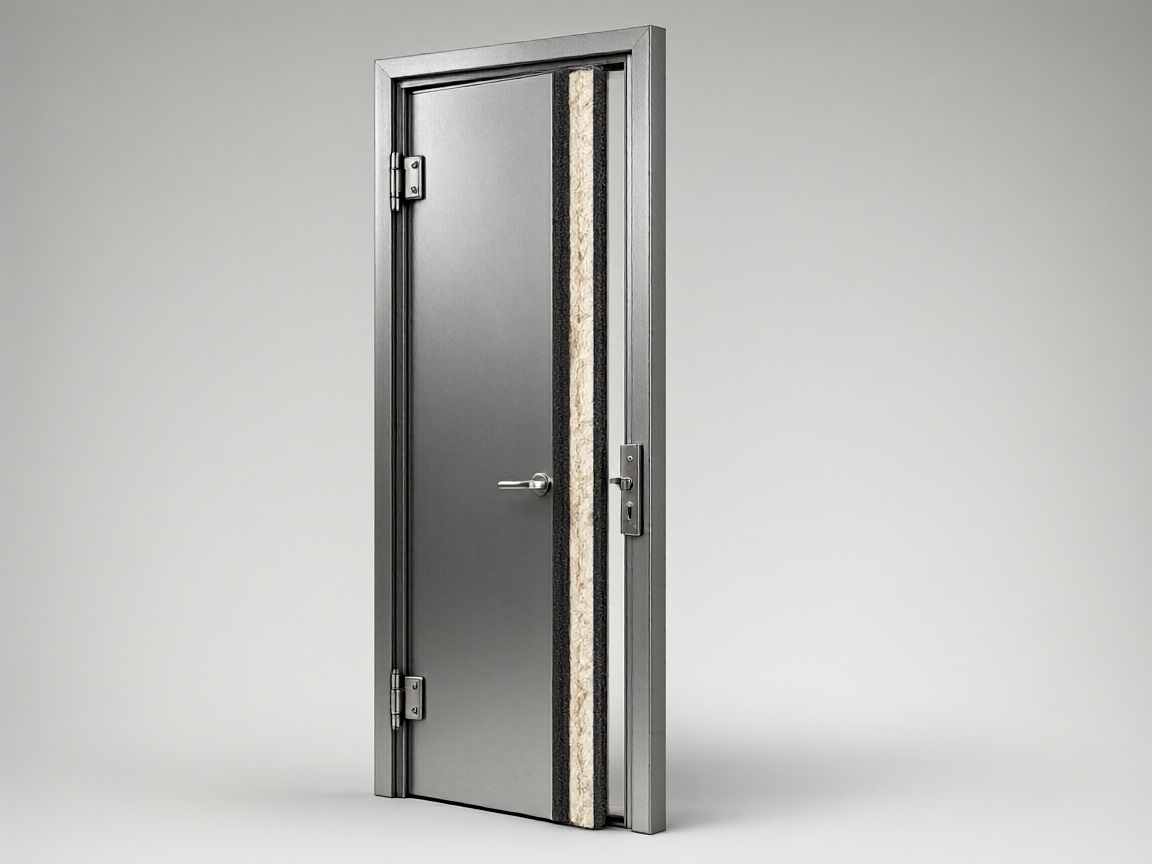
Steel security doors typically use galvanized steel sheets or cold-rolled steel with a zinc coating to resist corrosion. The base steel thickness and coating weight determine how well the door handles humidity, salt spray, and temperature swings. For villa exterior applications, a minimum 1.0 mm to 1.5 mm steel plate is common, with higher grades available for high-security zones. The internal filling also matters: many premium doors use aluminum honeycomb filling, which is lightweight, moisture-resistant, and dimensionally stable. Unlike paper honeycomb or foam, aluminum honeycomb filling does not absorb water, reducing the risk of internal rust and warping. When scheduling maintenance, focus on the coating first—any scratch or chip exposes the steel and should be touched up promptly. Check the filling indirectly by listening for loose movement or observing swelling at edges, which may indicate moisture ingress.
Product Structure & Specifications: What to Inspect
A steel security door is a system, not a single panel. Frame thickness, plate thickness, filling, glass, and lock system all require separate maintenance checks. The frame should be inspected for weld integrity and paint adhesion, especially at corners and hinges. Plate thickness affects dent resistance; thin panels may flex under impact. Glass, if specified, should be tempered or laminated and checked for sealant degradation. The lock system—whether mechanical multi-point or a smart fingerprint lock—needs periodic lubrication and alignment checks. The table below summarizes a practical inspection schedule by component.
| Component | Check Frequency | What to Look For |
|---|---|---|
| Frame and welds | Quarterly | Rust spots, cracked paint, loose anchors |
| Steel plate surface | Monthly | Scratches, dents, coating chips |
| Aluminum honeycomb filling | Annually | Swelling, soft spots, water stains at edges |
| Glass and seals | Every 6 months | Hardened gaskets, condensation, cracks |
| Lock system | Monthly | Stiff operation, misalignment, battery level for smart locks |
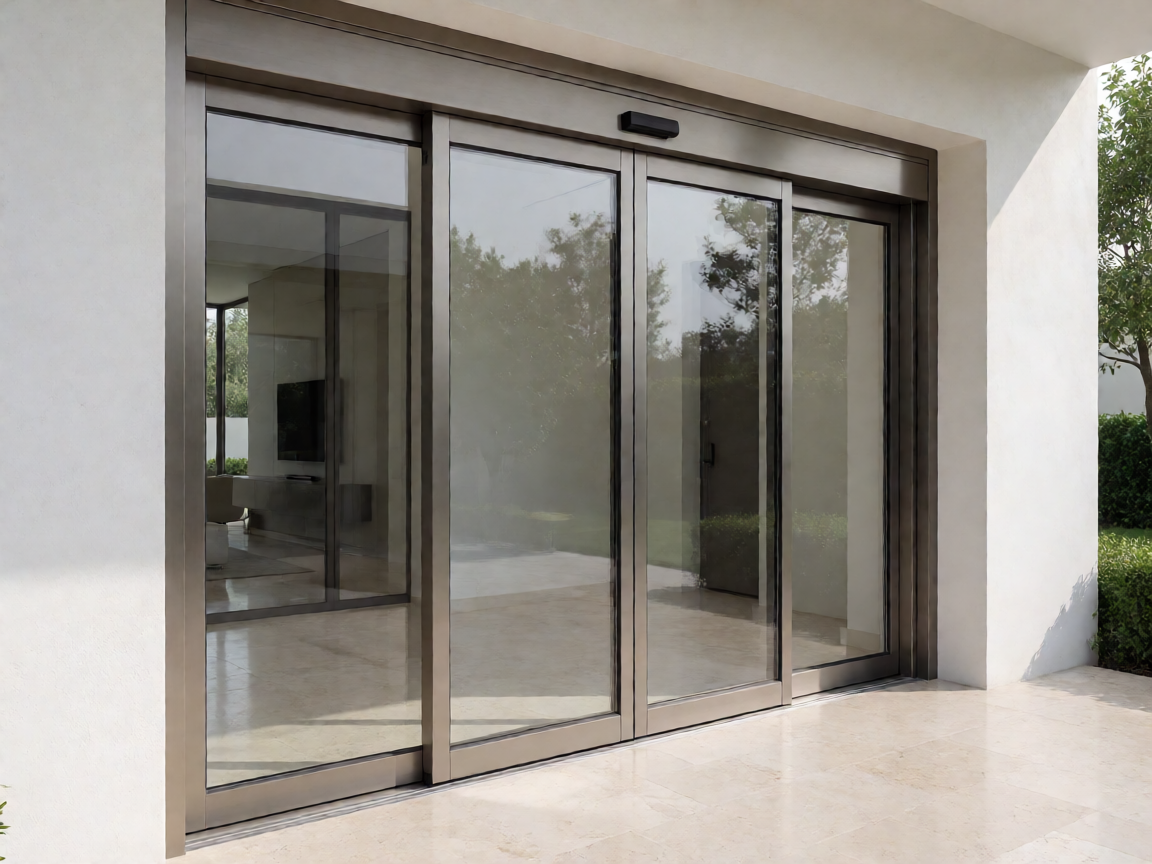
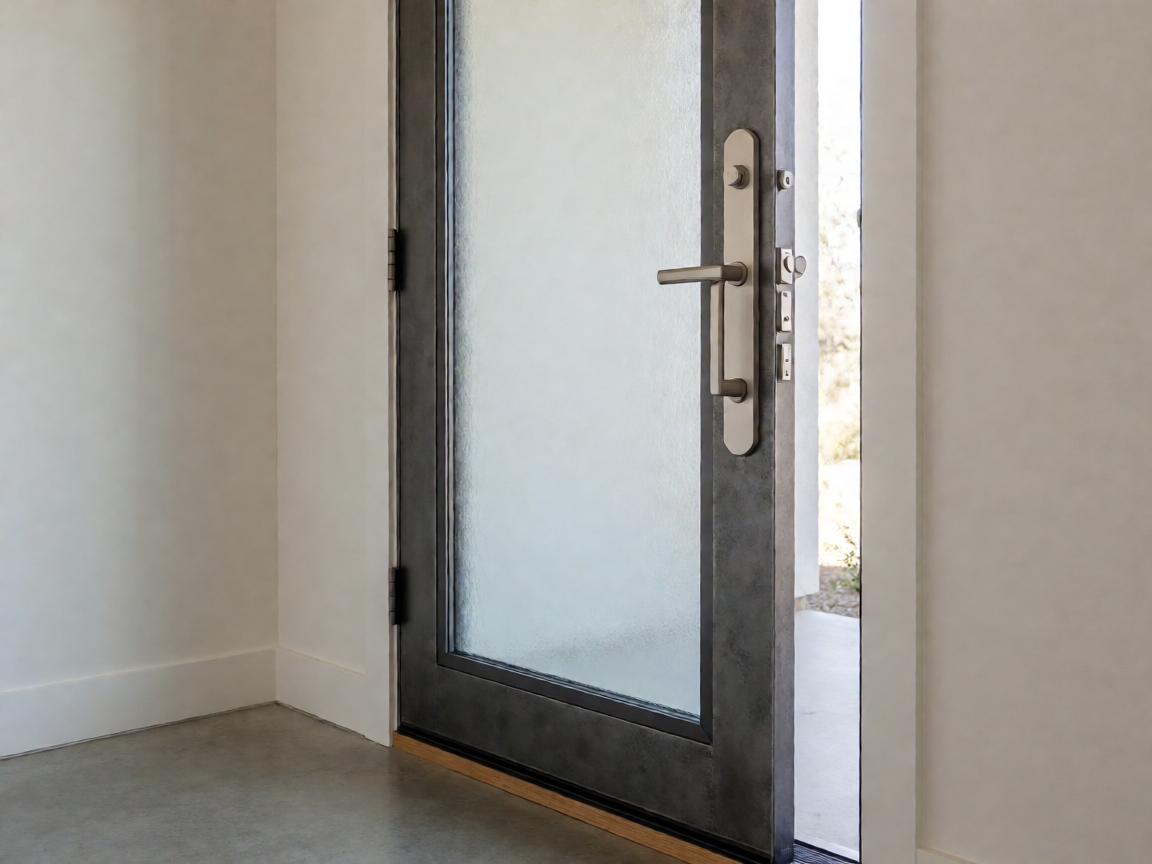
For glass spliced exterior door designs, pay extra attention to the interface between glass and steel. Thermal movement can stress sealants, so schedule resealing every two to three years in harsh climates. If the door includes a transom lintel, verify that drainage paths remain clear to prevent water pooling near the frame.
Key Advantages for Villa Exterior Applications
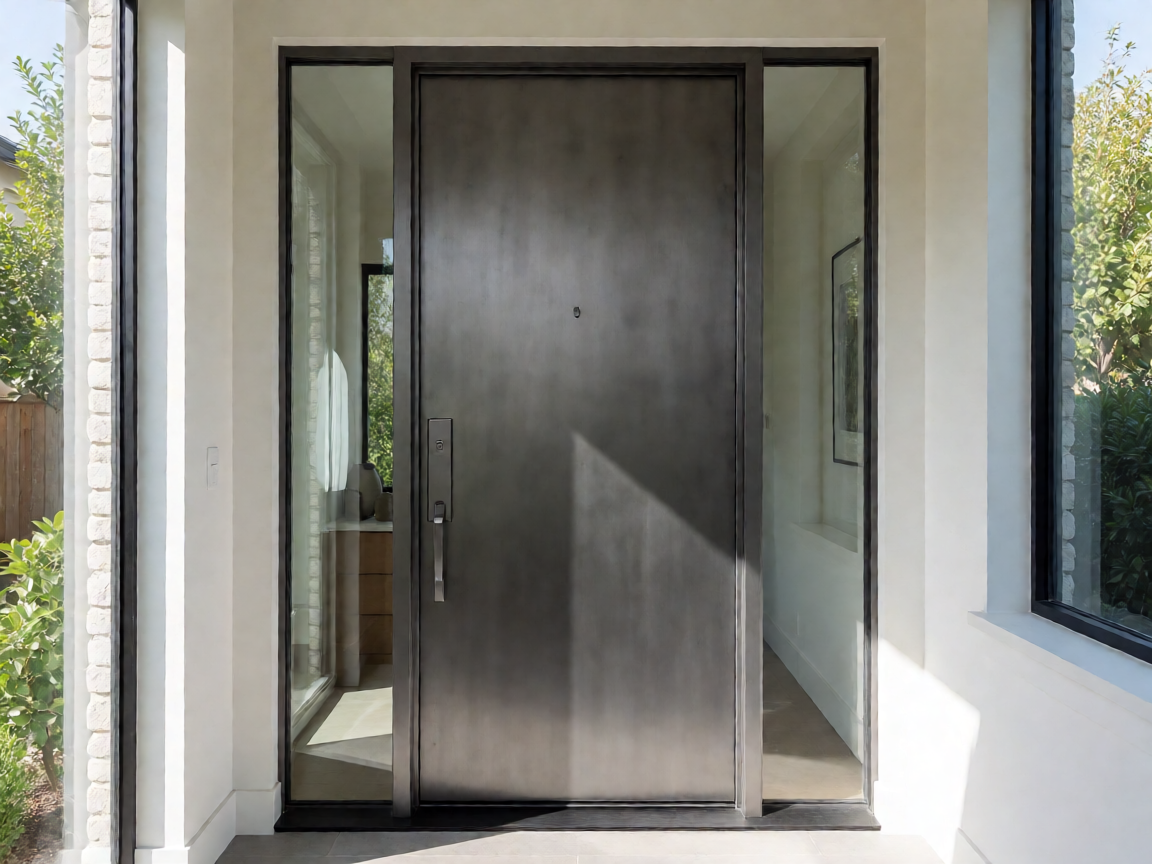
Steel security doors offer a high strength-to-cost ratio and excellent resistance to forced entry. For villa exteriors, they are often used for side entrances, utility rooms, pool equipment areas, and garages—places where security and weather resistance matter more than decorative detail. Their powder-coated finishes require less frequent cleaning than natural wood, and galvanized steel resists rust better than untreated mild steel. When paired with a custom aluminum courtyard gate, steel security doors create a coherent security perimeter without the maintenance burden of timber. Similarly, a cast aluminum villa door at the main entrance can be complemented by steel security doors at secondary access points, balancing aesthetics and durability. A glass spliced exterior door may introduce more visual transparency, but steel-framed versions still provide robust locking points. The main advantage is predictable maintenance: with a scheduled checklist, steel doors avoid the rot, warping, and insect damage common to wood.
Available Custom Options That Support Easier Maintenance
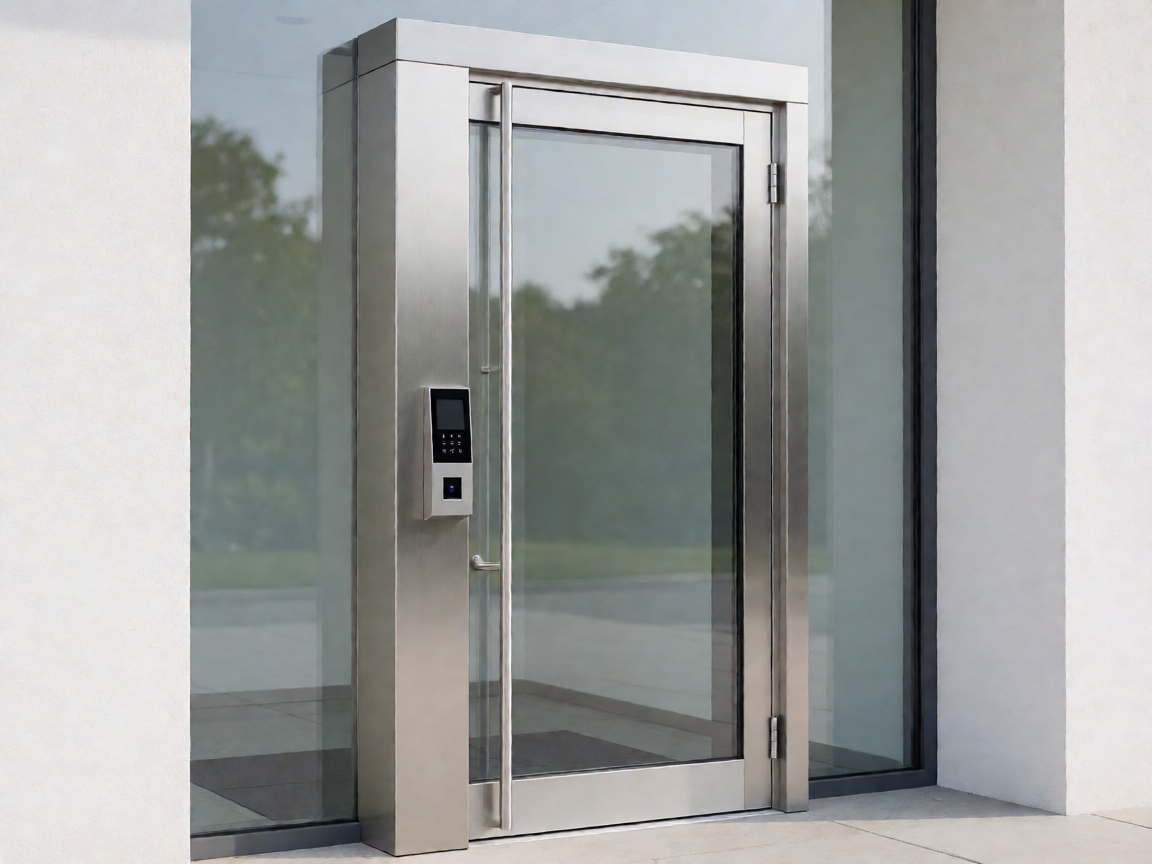
Customization is not only about appearance; it directly affects long-term upkeep. Finish options such as PVDF coating or architectural powder coating resist fading and chalking better than standard paint, reducing repainting frequency. Color choice matters too—mid-tone or light colors show dust and scratches less than dark gloss finishes. Opening direction should be specified to suit prevailing weather; an outward-opening door in a windy, rainy region may receive more direct water exposure at the frame. A smart fingerprint lock reduces keyhole wear and key management, but requires battery checks every three to six months. LED decoration around the door adds visibility but should be wired with accessible junction points for maintenance. A transom lintel provides a protective overhang that shields the door from rain, lowering the frequency of seal inspections. All these options can be combined with a custom aluminum courtyard gate for a unified exterior package.
Buying & Selection Tips with a Maintenance Schedule
When selecting steel security doors, verify the steel thickness, coating system, and hardware brand before price. Ask for a coating warranty that covers adhesion and corrosion, not just color fastness. Confirm that the frame is reinforced at hinge and lock points, and that installation includes proper shimming and sealing against the wall. For renovation contractors, check that the door can be adjusted after installation to maintain alignment. The following maintenance schedule is a practical starting point for villa properties.
- Monthly: Wipe down the steel plate with a mild detergent, inspect for scratches, and test the lock and smart fingerprint lock operation.
- Quarterly: Check frame welds, hinge screws, and anchor bolts; touch up any coating chips with a matching touch-up paint.
- Every six months: Inspect glass seals and weatherstripping; clean drainage channels near the transom lintel; replace smart lock batteries.
- Annually: Examine aluminum honeycomb filling edges for moisture; lubricate lock cylinders and hinges; check door alignment and adjust as needed.
- Every two to three years: Reseal glass spliced exterior door joints and reapply protective coating to exposed steel edges in coastal or high-humidity areas.
For projects combining steel security doors with a custom aluminum courtyard gate or cast aluminum villa door, coordinate the maintenance calendar across all exterior doors. This avoids missed inspections and keeps the entire entrance system performing consistently.
Conclusion
Steel security doors are a durable, low-maintenance choice for villa exteriors when paired with a sensible inspection schedule. By understanding the core material, product structure, and custom options—and by following a monthly, quarterly, and annual checklist—builders, architects, and homeowners can protect against rust, hardware failure, and seal degradation. The result is a secure, weather-resistant entrance that complements other exterior elements such as a custom aluminum courtyard gate or glass spliced exterior door without demanding constant attention.