Automatic Doors: Project Case Studies for High-Traffic Entrances
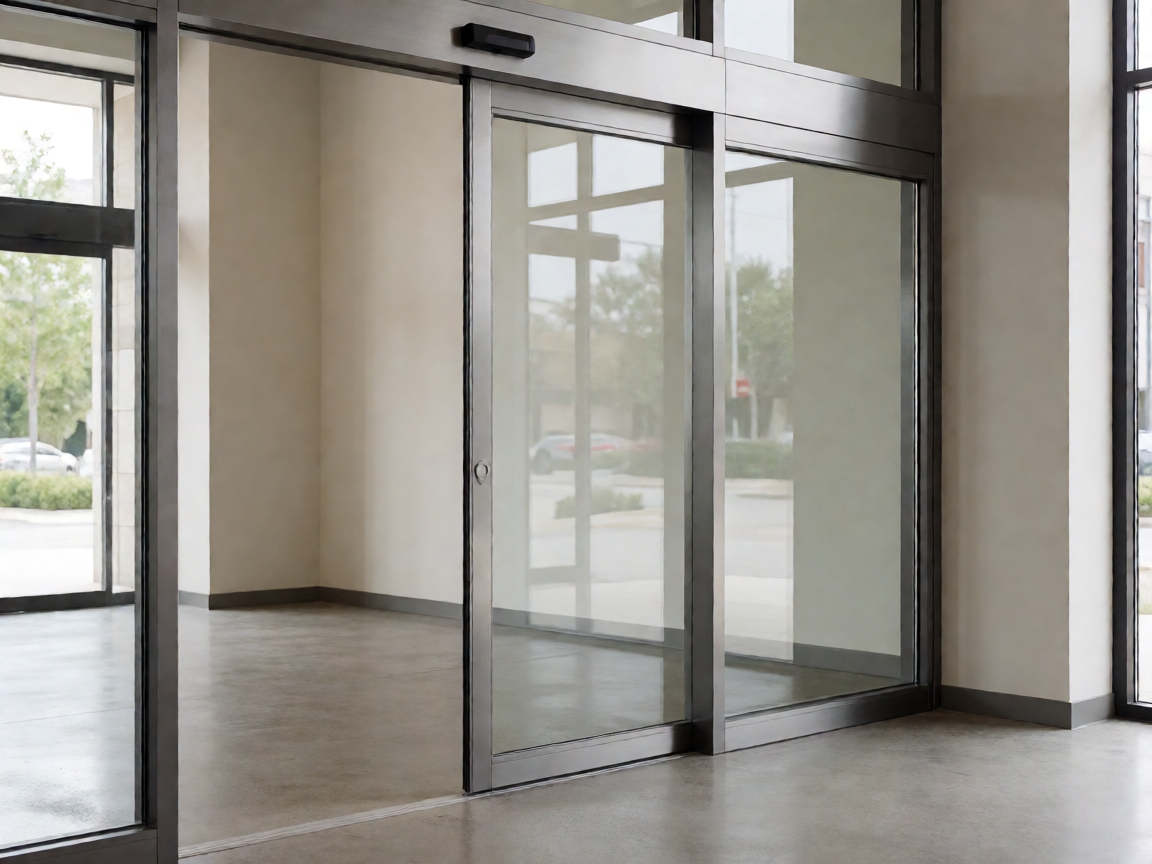
High-traffic entrances expose automatic doors to constant cycles, weather, security risks, and installation mistakes. Villa owners, home builders, architects, and renovation contractors often ask the same practical questions: will the frame resist rust and corrosion, how much maintenance will it need, can it be custom-sized to an existing opening, and will the automatic operator stay reliable when traffic is heavier than expected? The project case studies below show how automatic doors perform when material, specification, and installation are matched to the entrance rather than selected from a catalog alone.
Core Material Introduction
Most durable automatic doors for villa and residential entrances use aluminum alloy frames rather than steel. Alloy 6063-T5 is common for extruded frames because it takes powder coating well and holds dimensional stability; 6061-T6 is used where greater structural strength is needed. Decorative panels may use cast aluminum, which allows deeper profiles and ornament without the corrosion risk of cast iron. A custom aluminum courtyard gate can combine an extruded frame with cast aluminum details, while a cast aluminum villa door may use thicker decorative panels around a reinforced core.
Aluminum does not rust like steel, but it can still corrode in coastal or polluted environments. Specify powder coating or anodizing, stainless steel hinges and fasteners, and drainage paths that prevent water from sitting inside the frame. The automatic operator, sensors, and control box also need protection from rain and temperature swings. For high-traffic entrances, the hardware package matters as much as the door leaf: hinges, rollers, guides, and locking points should be rated for repeated use.
Product Structure and Specification
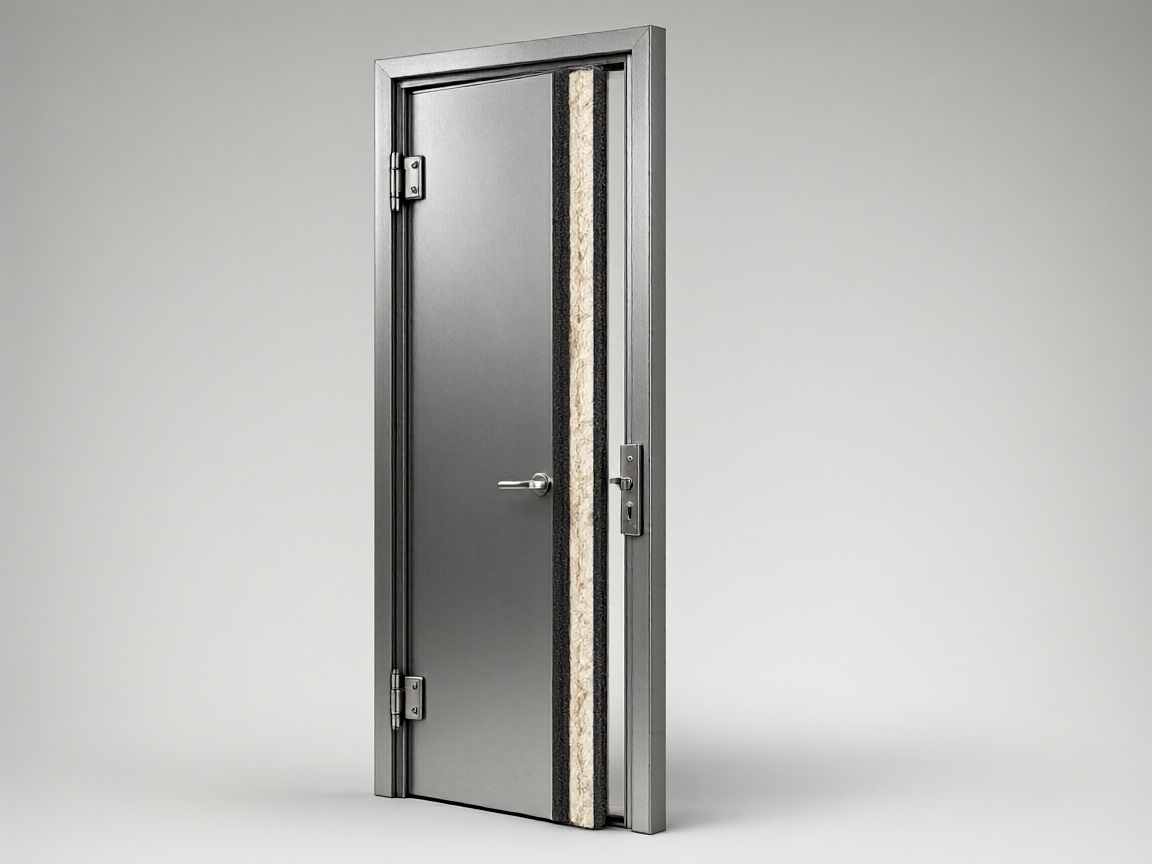
Automatic doors for high-traffic entrances combine a door leaf, frame, filling, glazing, lock system, and automatic drive. The table below gives practical specification ranges to discuss with a supplier or architect.
| Component | Typical specification | Why it matters |
|---|---|---|
| Frame thickness | 2.0–3.0 mm aluminum wall thickness | Supports heavy leaves and resists deflection under repeated operation. |
| Leaf plate thickness | 1.5–2.5 mm aluminum skin | Improves impact resistance and keeps panels flat. |
| Filling | Aluminum honeycomb filling bonded between skins | Reduces weight without sacrificing rigidity, easing operator load. |
| Glass | 6–8 mm tempered or laminated safety glass | Provides visibility and safety; laminated glass holds together if broken. |
| Lock system | Mortise lock plus smart fingerprint lock and manual override | Supports daily security, access control, and emergency release. |
| Automatic operator | Duty cycle matched to daily cycles; battery backup available | Prevents premature wear at entrances with heavy foot or vehicle traffic. |
| Safety devices | Presence sensors, safety edges, and signage | Reduces collision risk and supports safe automatic operation. |
A glass spliced exterior door needs careful glazing beads, seals, and drainage because glass and aluminum expand at different rates. The lock area should be reinforced so a smart fingerprint lock does not loosen under repeated use. For automatic operation, confirm that the operator can be released manually during a power failure and that sensors are positioned for the actual traffic path, not just the door width.
Key Advantages for Villa Exterior Applications
Aluminum automatic doors offer practical advantages for villa exteriors: corrosion resistance when finished correctly, lower weight than steel, stable operation in wind and rain, and a finish that can be renewed without replacing the frame. Security improves when the frame, lock, and operator are specified as one system, with reinforced strike plates and fail-safe release. Low maintenance depends on sealed bearings, clean drainage channels, and periodic adjustment rather than frequent repainting.
Project case studies for high-traffic entrances
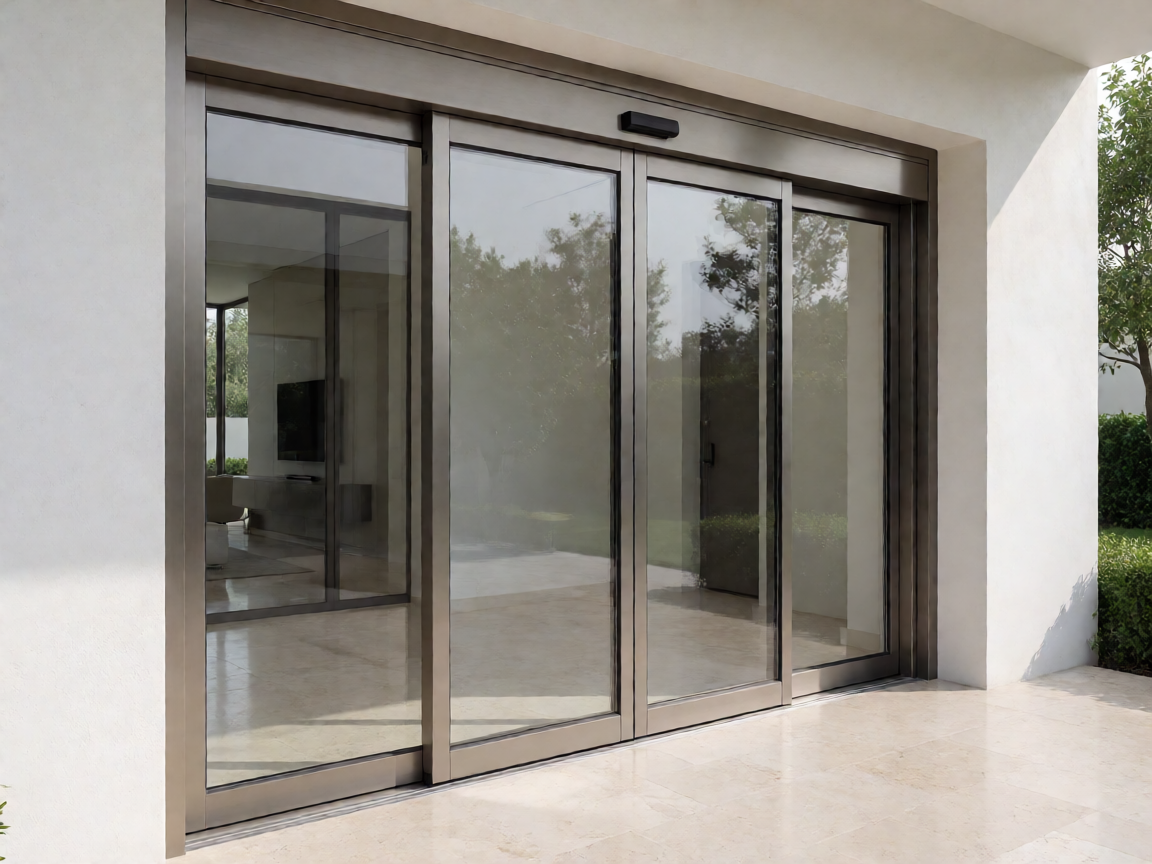
- Coastal gated community, 42 villas: the vehicle entrance used an automatic sliding gate and the pedestrian entrance used an automatic swing door. Salt spray and roughly 1,200 cycles per day caused early corrosion on the previous steel system. The replacement used 6063-T5 aluminum, marine-grade powder coating, 316 stainless hardware, aluminum honeycomb filling, and added drainage. After 18 months, no structural corrosion was reported, and the operator was serviced quarterly.
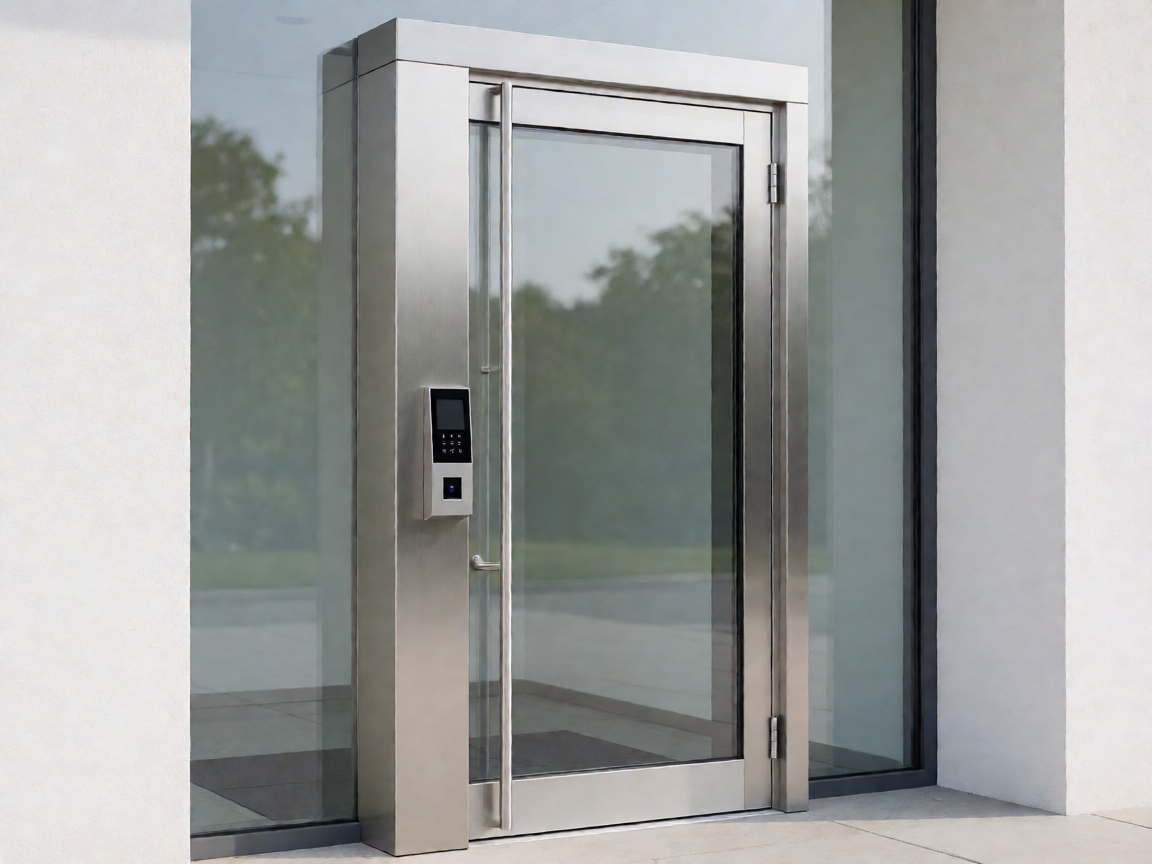
- Urban villa renovation, glass spliced exterior door: a 2.6 m by 3.0 m entrance had to fit an existing masonry opening and handle about 600 pedestrian cycles per day. The project used a custom-sized aluminum frame, laminated safety glass, an automatic swing operator, and a smart fingerprint lock with manual override. A transom lintel improved daylight while keeping the operator and sensor wiring concealed.
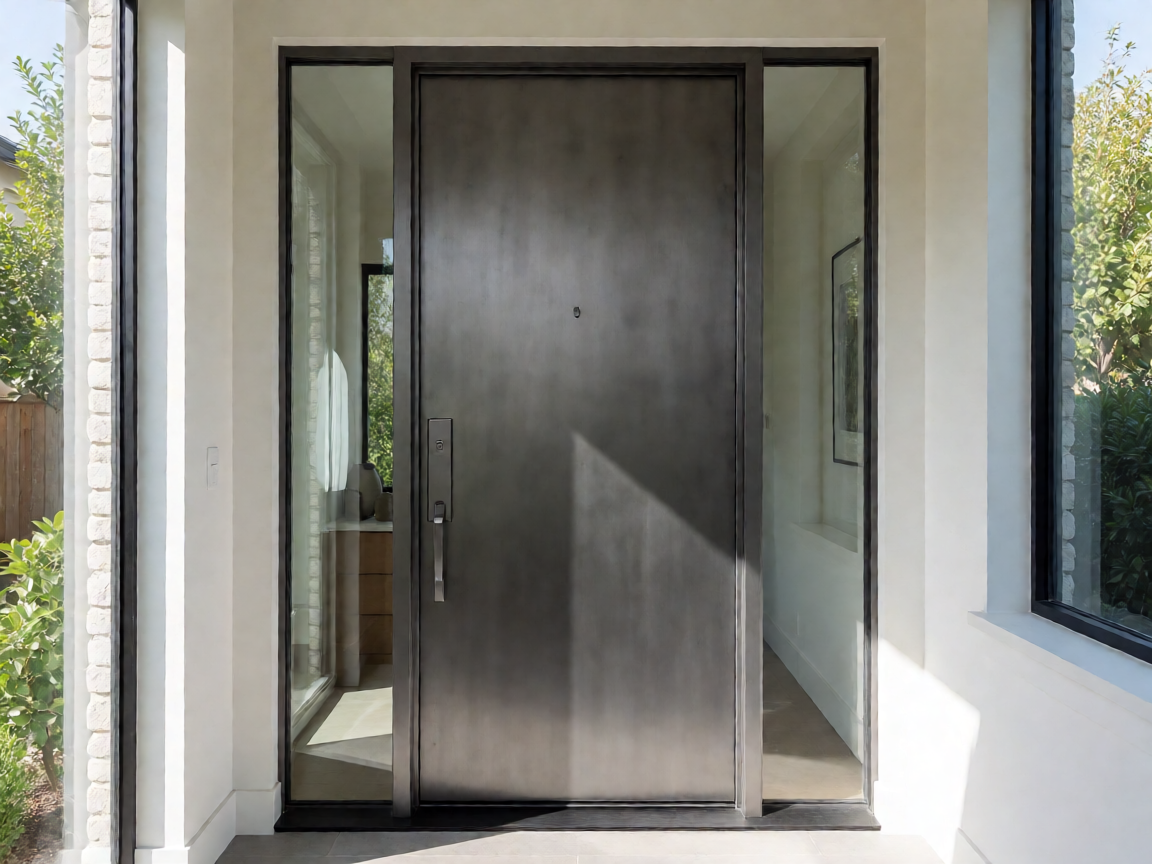
- Mountain rental villa, cast aluminum villa door: the entrance needed snow-load resistance and reliable operation during short-term rental turnover. The specification combined a cast aluminum villa door, reinforced hinges, a heated operator enclosure, and battery backup. The result was consistent automatic operation without daily adjustment.
Available Custom Options
Customization should solve site conditions, not just change appearance. Common options include:
- Finish: powder coating, anodizing, or wood-grain transfer; coastal projects should specify a corrosion-resistant coating system.
- Color: RAL or project-specific colors, with samples approved before production.
- Opening direction: inward or outward swing, left or right hand, sliding or swing operation, with the operator side confirmed during site survey.
- Smart lock: smart fingerprint lock, keypad, fob, or integration with a gate intercom; always keep a mechanical override.
- LED decoration: low-voltage, IP-rated lighting with an accessible driver and separate circuit.
- Transom lintel: fixed or operable transom, structural support, and glass specification coordinated with the door frame.
- Custom sizing: field measurement, tolerance allowances, and threshold details for renovation projects.
A custom aluminum courtyard gate and a glass spliced exterior door can share the same finish and lock family, but each needs its own structural review. Decorative cast aluminum elements should not interfere with sensor zones or manual release access.
Buying and Selection Tips
- Match the automatic operator to real traffic. Residential-grade units may struggle above 300–500 cycles per day; commercial-grade operators and reinforced hardware are more appropriate for 1,000 or more cycles.
- Specify a corrosion package for the site. Coastal or humid locations need 316 stainless hardware, tested coating thickness, and drainage that does not rely on sealant alone.
- Plan power and backup early. Confirm a dedicated circuit, cable route, battery backup, and manual release before the opening is finished.
- Review safety devices with the traffic path. Presence sensors, safety edges, and signage should account for children, delivery traffic, and vehicles where applicable.
- Resolve custom sizing and installation tolerances before fabrication. Check the structural opening, floor level, threshold, and frame anchorage; out-of-square openings cause operator strain.
- Ask for a maintenance schedule and spare parts list. Quarterly inspection of hinges, sensors, rollers, and lock alignment is more effective than reactive repair.
Conclusion
Automatic doors for high-traffic entrances perform well when the aluminum frame, filling, glass, lock system, and operator are specified as one assembly. The case studies show that corrosion resistance, custom sizing, and reliable automation depend on site-specific choices: stainless hardware for coastal air, aluminum honeycomb filling for weight control, safety sensors for pedestrian traffic, and smart fingerprint locks with manual override. Before ordering, compare daily cycles, installation conditions, and service access, then require a factory-approved specification that matches the entrance rather than a generic door package.