Fire-Rated Doors: Budgeting for Door Prices
When specifying fire-rated doors for a villa project, owners, builders, architects, and renovation contractors often face a common set of concerns: will the door provide genuine security, resist rust in coastal or humid climates, require minimal maintenance, accommodate custom sizing, and install without costly surprises? These pain points are especially relevant when fire-rated doors are used in exterior applications such as attached garages, utility rooms, or courtyard transitions, where the door must meet fire safety codes while also withstanding weather and daily use. Budgeting for fire-rated doors is not simply about comparing unit prices; it requires understanding materials, construction, certification, and long-term performance. This guide breaks down the key cost factors so you can plan accurately and avoid hidden expenses.
Core Material Introduction
Fire-rated doors are available in steel, aluminum, wood, and composite constructions. For villa exterior applications, aluminum and steel are the most common choices. Steel offers high strength and lower initial cost, but requires galvanizing or powder coating to resist rust, especially in coastal environments. Aluminum fire-rated doors provide excellent corrosion resistance, lighter weight, and low maintenance. Premium options such as a cast aluminum villa door combine fire-rated cores with decorative cast panels. Fire-rated glass doors—often specified as a glass spliced exterior door—use ceramic or laminated fire-rated glazing. The core material affects price significantly: steel doors are generally more budget-friendly, while aluminum and cast aluminum doors carry a higher upfront cost but lower maintenance over time.
Product Structure & Specification Explanation
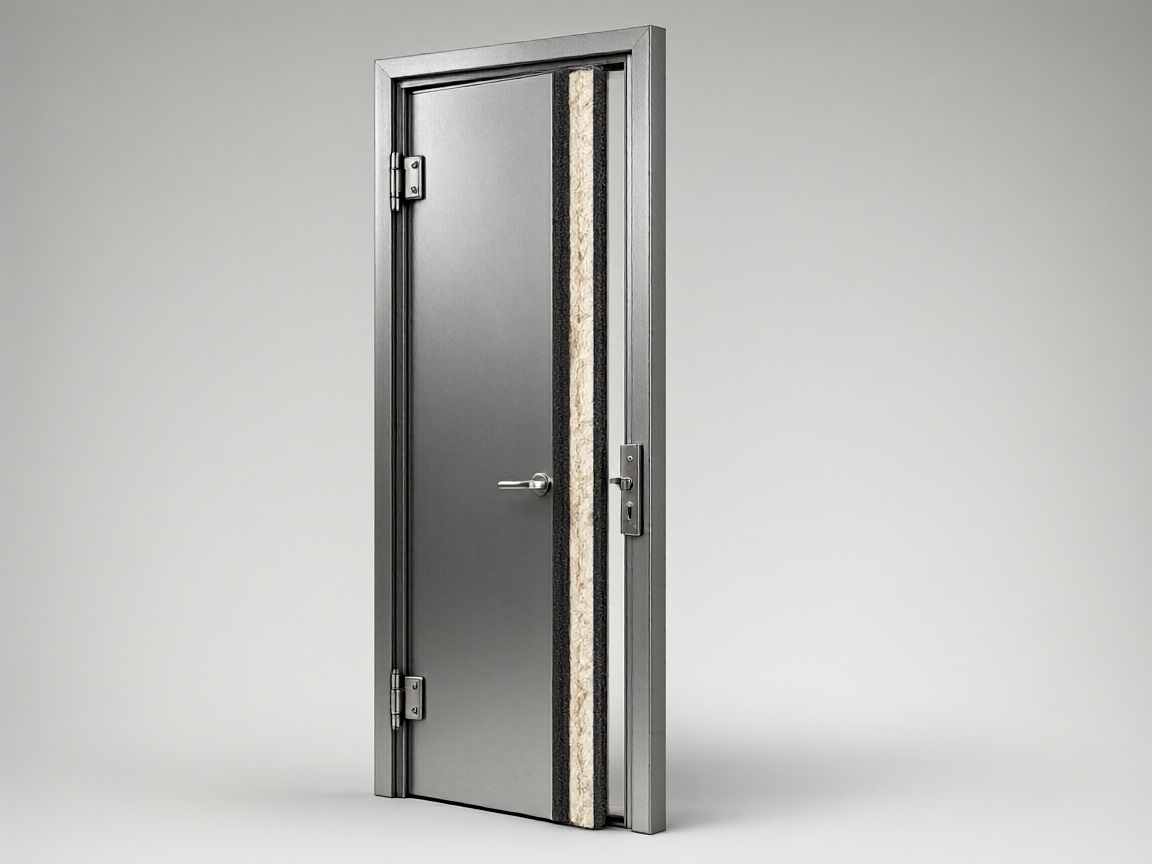
Understanding the anatomy of a fire-rated door helps you compare quotes accurately. The main cost drivers are frame thickness, plate thickness, filling, glass, and lock system.
Frame thickness
Frame thickness for fire-rated doors typically ranges from 1.5 mm to 3.0 mm. Exterior-rated doors usually require thicker frames (2.0 mm or more) to accommodate weather seals, heavier hardware, and structural loads. Thicker frames increase cost but improve durability and fire performance.
Plate thickness
The door leaf skin—steel or aluminum plate—ranges from 0.8 mm to 2.0 mm. Steel skins are often 0.8–1.5 mm, while aluminum skins may be 1.2–2.0 mm to achieve similar rigidity. Thicker plates resist dents and warping, which is important for high-traffic villa entrances.
Filling
Fire-rated cores include mineral wool, vermiculite board, and aluminum honeycomb filling. Mineral wool is cost-effective and provides good fire and acoustic insulation. Vermiculite board offers higher fire resistance and dimensional stability. Aluminum honeycomb filling is lightweight and strong, often used in large or custom-sized doors where weight reduction matters. The required fire rating—20, 45, 60, 90, or 120 minutes—determines the core specification and directly affects price.
Glass
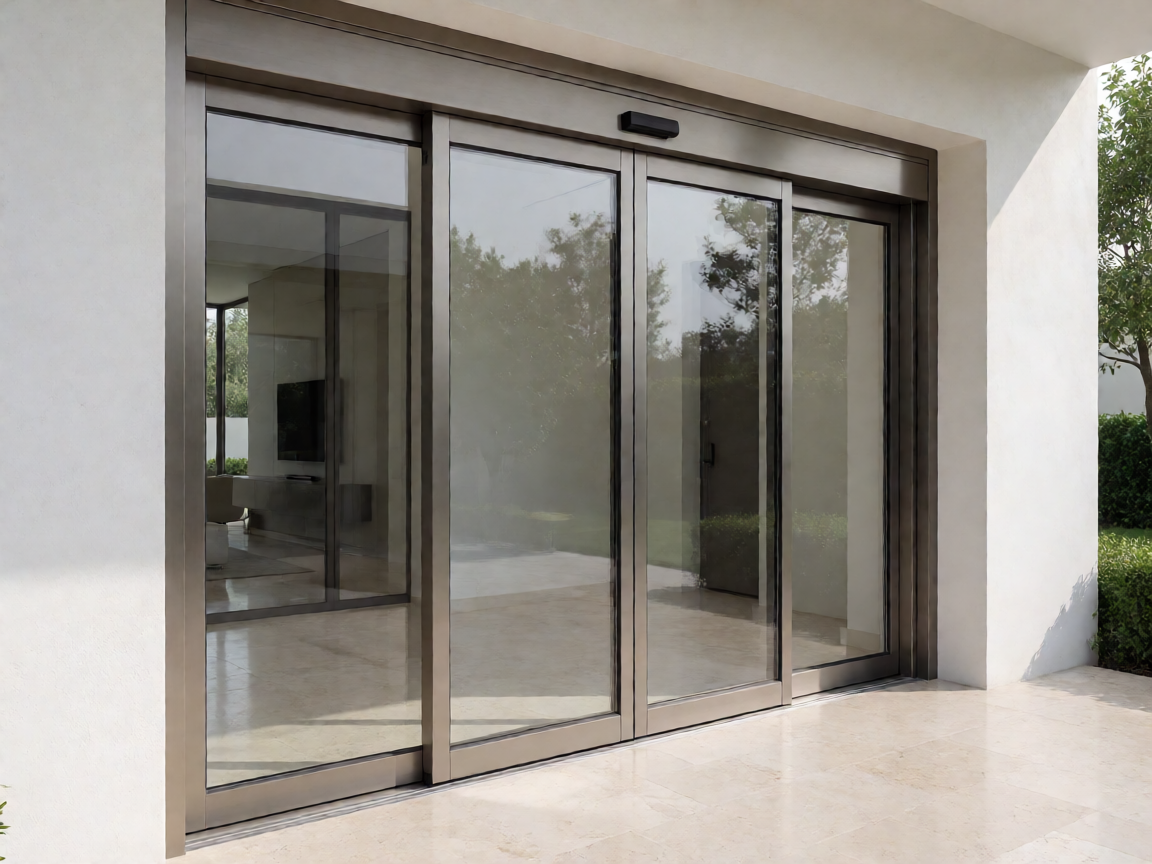
If the design includes vision panels or full glazing, fire-rated glass is essential. Ceramic glass, wired glass, and laminated intumescent glass are common. For a glass spliced exterior door, ensure the glazing system is certified for exterior use with appropriate weather sealing. Fire-rated glass can add 15–30% to the door cost depending on size and rating.
Lock system
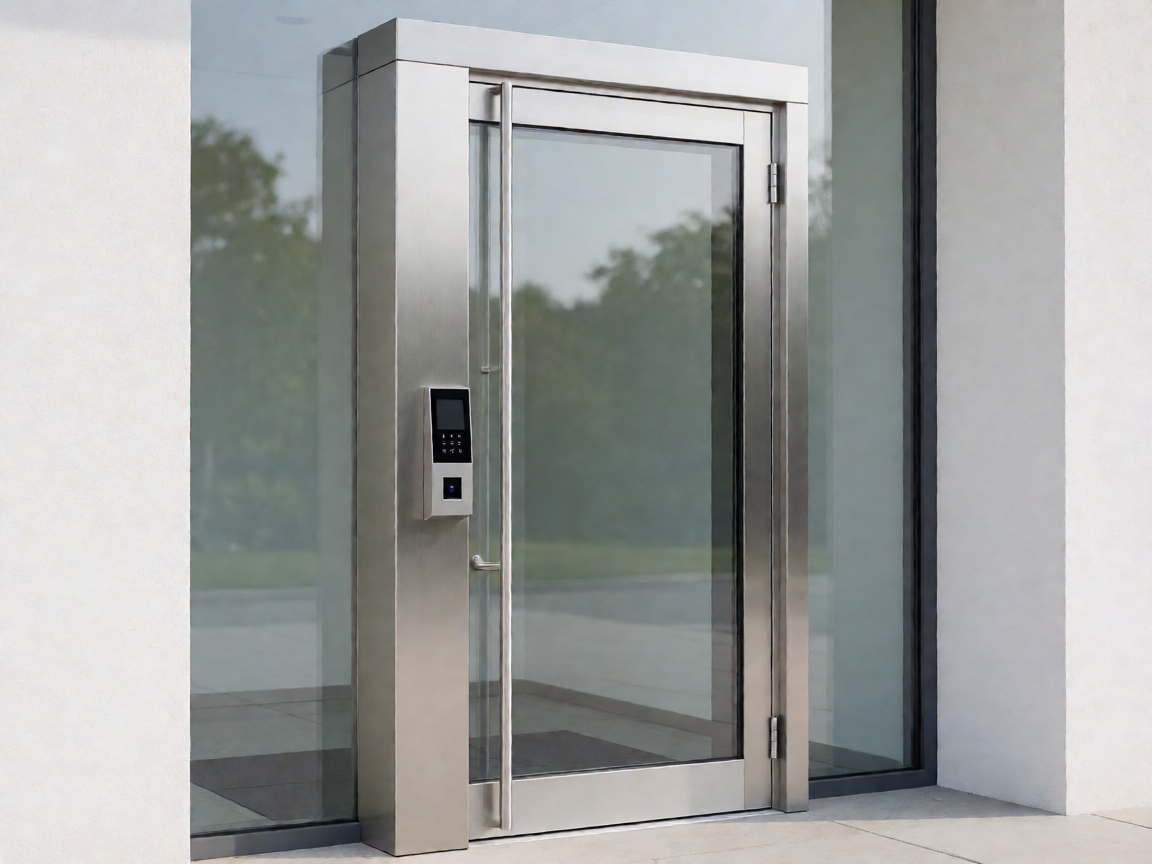
Fire-rated doors require hardware that maintains egress and fire integrity. Panic hardware, closers, and hinges must be fire-listed. A smart fingerprint lock can be integrated if it carries the relevant fire certification and fails safe for egress. Avoid uncertified smart locks that may compromise the door’s rating and void warranties.
Key Advantages for Villa Exterior Applications
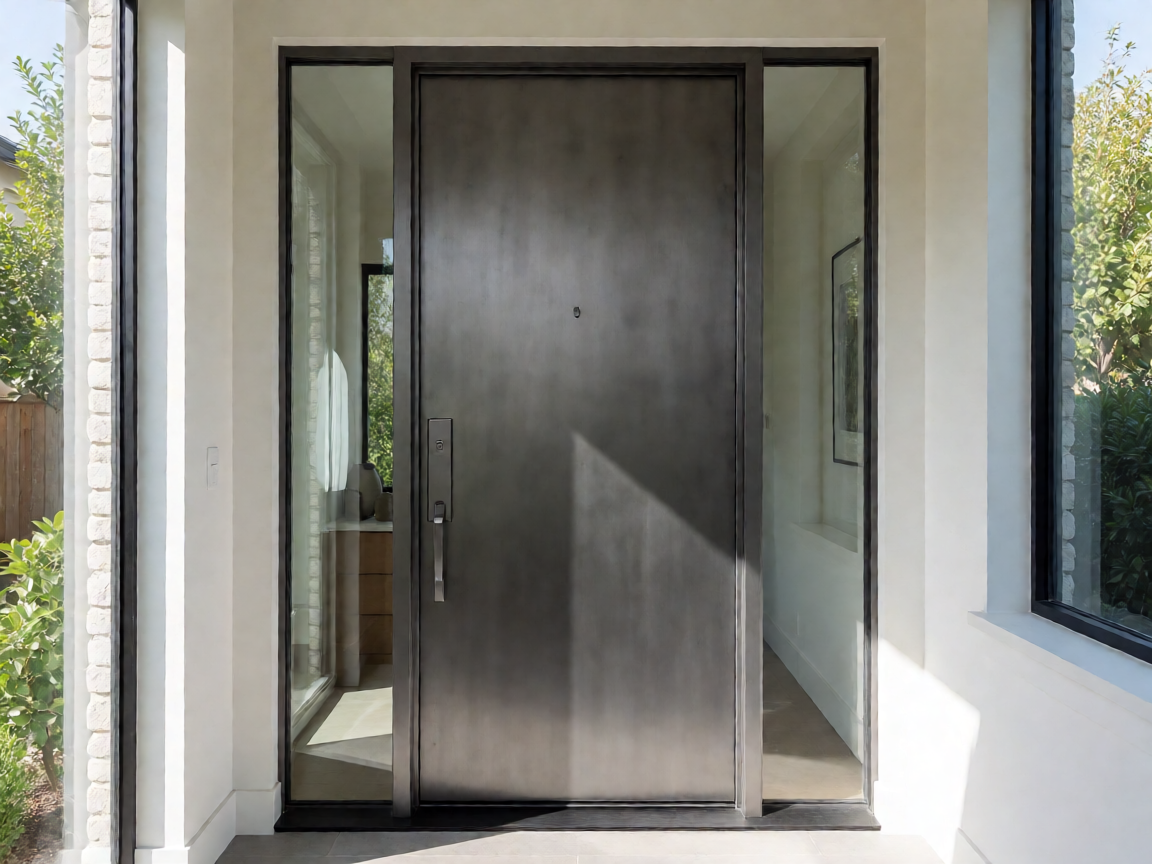
Fire-rated doors specified for villa exterior applications offer several practical advantages beyond code compliance. First, they provide security: solid cores and reinforced frames resist forced entry, which is a priority for remote or high-value properties. Second, corrosion resistance is critical—aluminum and properly coated steel doors resist rust in coastal, humid, or rainy climates, reducing maintenance costs. Third, low maintenance: powder-coated or anodized finishes require only occasional cleaning, unlike painted steel that may need touch-ups. Fourth, custom sizing ensures a precise fit for non-standard openings, avoiding expensive modifications during installation. Fifth, when designed as a custom aluminum courtyard gate or cast aluminum villa door, fire-rated doors can match the architectural style of the property while meeting safety requirements. Finally, fire-rated exterior doors can improve insurance eligibility and resale value, as documented safety features are increasingly important to buyers and insurers.
Available Custom Options
Modern fire-rated doors can be customized to suit villa aesthetics and functional needs. Common options include:
- Finish: powder coating, anodized aluminum, wood-grain sublimation, or PVDF coating for exterior durability.
- Color: standard RAL colors or custom-matched to the façade.
- Opening direction: left-hand or right-hand, inward or outward opening, with options for double doors.
- Smart lock: smart fingerprint lock integration with fire-rated certification, keypad, or app control.
- LED decoration: optional LED strips for entrance lighting, using low-voltage fire-safe components.
- Transom lintel: fixed transom panels with fire-rated glass to add height and light.
- Glass configuration: glass spliced exterior door designs with fire-rated glazing, privacy glass, or decorative patterns.
- Size: custom widths and heights to suit villa openings, including oversized doors with aluminum honeycomb filling for weight control.
Each option affects the final price. For budgeting, request a detailed specification sheet that lists fire rating, hardware brand, glass type, and finish warranty.
Buying & Selection Tips
To budget accurately and avoid costly mistakes, follow these practical tips:
- Confirm the required fire rating with your local building authority. Exterior applications may require 45–90 minutes depending on proximity to property lines and occupancy.
- Verify certifications: look for UL, EN 1634, AS 1905.1, or other regional fire test standards. Certificates should cover the complete door assembly, including frame, leaf, glass, and hardware.
- Specify exterior-grade materials and finishes. For coastal projects, choose 316 stainless steel hardware and marine-grade aluminum.
- Request a comprehensive quote that includes frame, leaf, glass, hardware, installation accessories, and shipping. Fire-rated doors are heavy; installation may require specialized labor.
- Compare total cost of ownership, not just unit price. A lower-priced door with poor corrosion resistance may cost more in maintenance and replacement over 10–15 years.
- Ask about warranty terms for finish, hardware, and fire rating. Reputable manufacturers like ZW Doors provide clear documentation and after-sales support.
- Plan for lead times. Custom fire-rated doors, especially cast aluminum villa door styles or glass spliced exterior door designs, may require 6–12 weeks for fabrication and certification review.
Conclusion
Budgeting for fire-rated doors requires a clear understanding of materials, construction, certification, and custom options. For villa exterior applications, aluminum and cast aluminum doors offer the best balance of rust resistance, low maintenance, and design flexibility, while steel remains a cost-effective option for less demanding environments. By specifying the correct frame thickness, plate thickness, filling, glass, and lock system—and by integrating features such as a smart fingerprint lock, aluminum honeycomb filling, or transom lintel—you can achieve a door that meets safety codes and architectural goals. Always verify certifications, request detailed quotes, and work with a manufacturer that provides transparent specifications and reliable support. A well-planned fire-rated door budget protects both your project timeline and your long-term investment.