Door Frames: Maintenance Practices for Long-Term Fit
Door Frames: Maintenance Practices for Long-Term Fit
Door frames are easy to ignore until a door sticks, a lock fails to engage, or wind-driven rain reaches the threshold. For villa owners, builders, architects, and renovation contractors, those symptoms usually trace back to security, rust resistance, low maintenance, custom sizing, and installation tolerances. A premium exterior door is only as reliable as its frame. This guide explains how material choice, structure, specifications, and custom options affect long-term fit—and which maintenance practices keep door frames performing.
Core Materials and Their Maintenance Profile
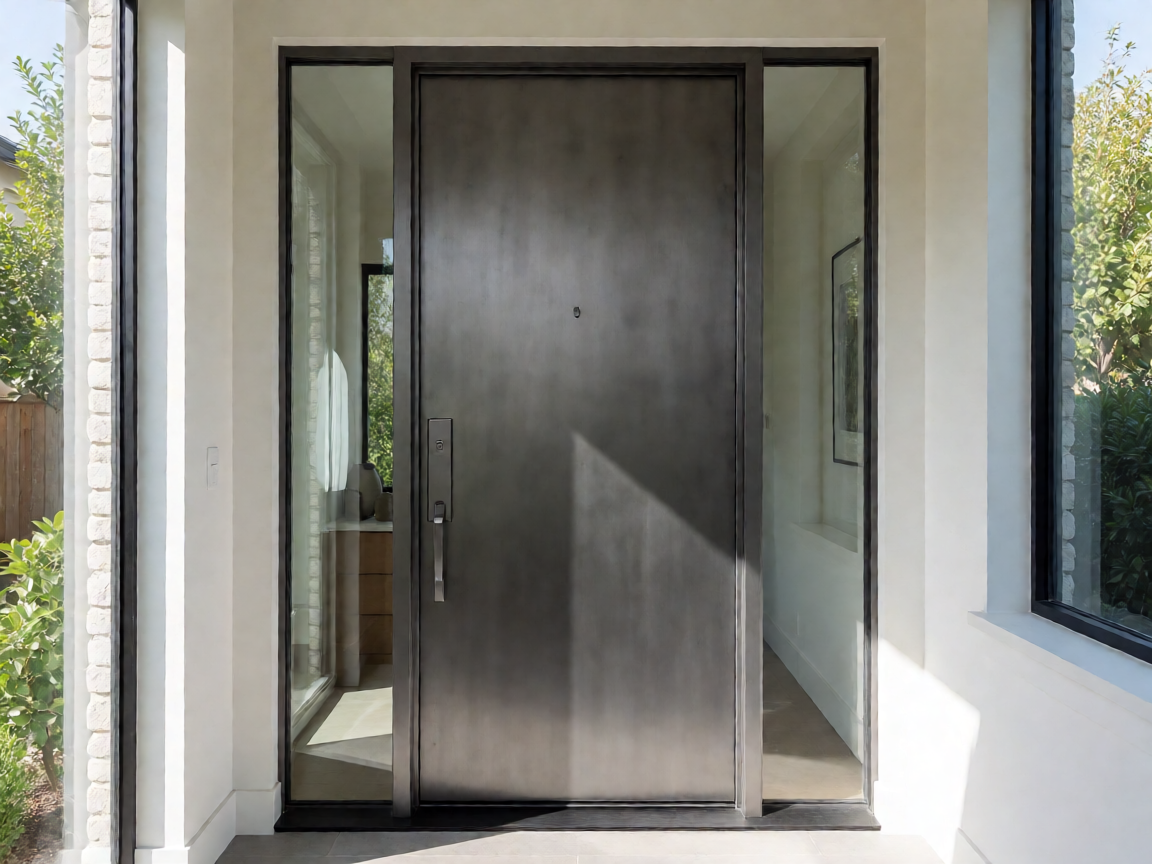
Most exterior door frames on modern villas use 6063-T5 aluminum alloy because it offers stiffness, dimensional stability, and corrosion resistance. Powder-coated or fluorocarbon-coated surfaces resist UV fading and salt air, but the coating is a protective layer, not an excuse to ignore scratches. Cast aluminum villa door panels add depth and security; they need compatible cleaners and prompt touch-up to prevent localized oxidation. Specify stainless steel hinges, screws, and lock parts for coastal or humid climates, with isolation washers where aluminum meets dissimilar metals. EPDM or silicone gaskets complete the system. These seals are the most maintenance-sensitive part of door frames: they compress, collect grit, and lose elasticity if cleaned with harsh solvents.
Aluminum frames do not rust like steel, but they can chalk, pit, or corrode when drainage stays blocked or coastal salt remains on the surface. Wood frames demand periodic sanding and refinishing; aluminum needs far less if the finish and seals are inspected. Choose a material system you can maintain with mild detergent, fresh water, and a few minutes per season.
Product Structure and Specifications That Affect Fit
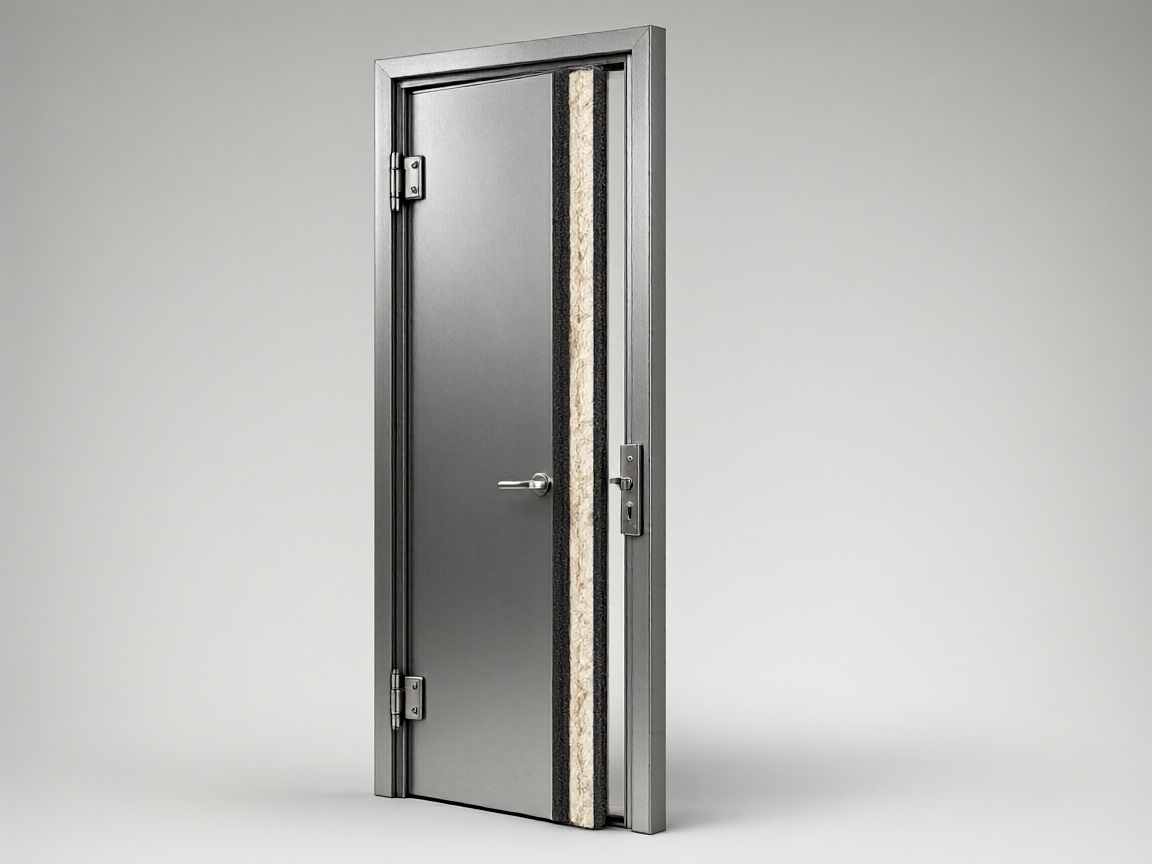
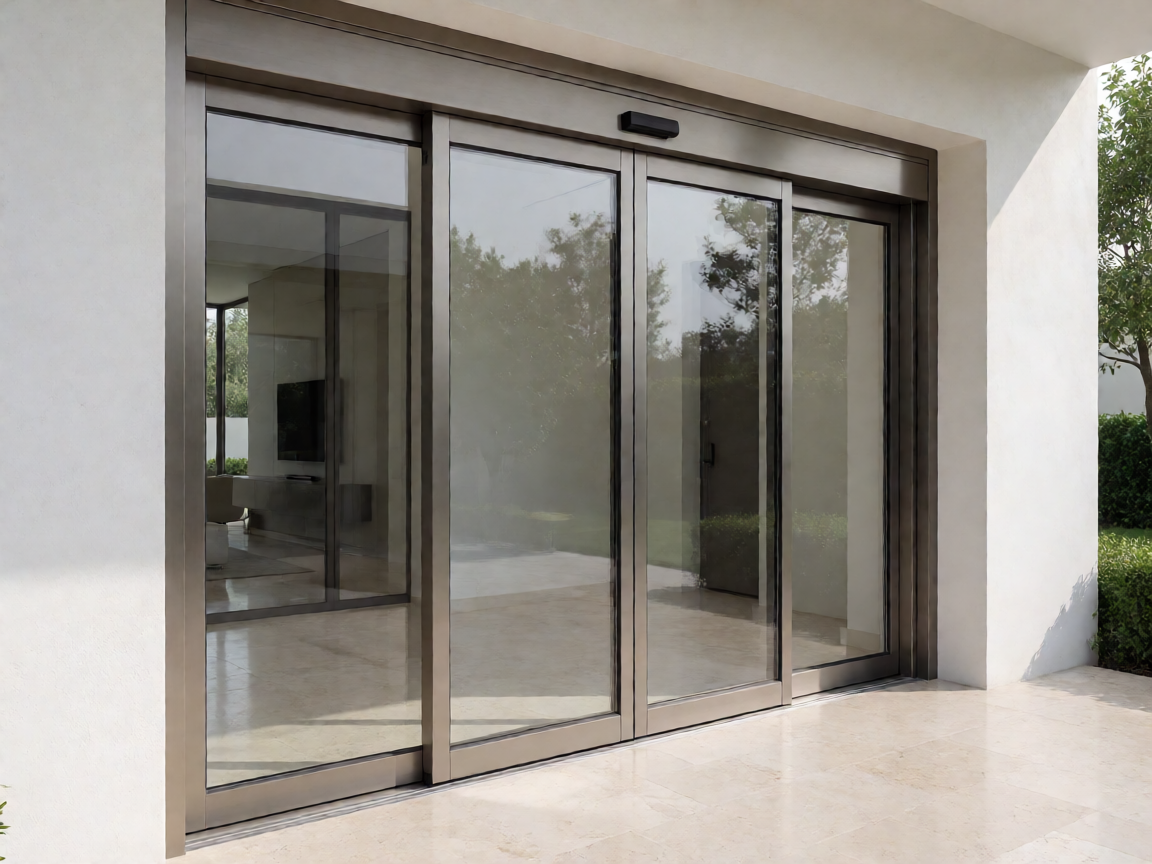
Long-term fit starts with section design. For exterior use, look for door frames with wall thickness around 2.0 mm; thinner sections may deflect under wind load or heavy panels. Aluminum panel plate thickness commonly ranges from 1.2 mm to 2.0 mm, while cast aluminum sections may be 8–10 mm thick. Aluminum honeycomb filling keeps large panels flat, reduces hinge load, and resists denting. A glass spliced exterior door should use tempered or laminated insulating glass with drained glazing pockets.
- Frame rigidity: Check for internal steel or aluminum reinforcement at hinge and lock points.
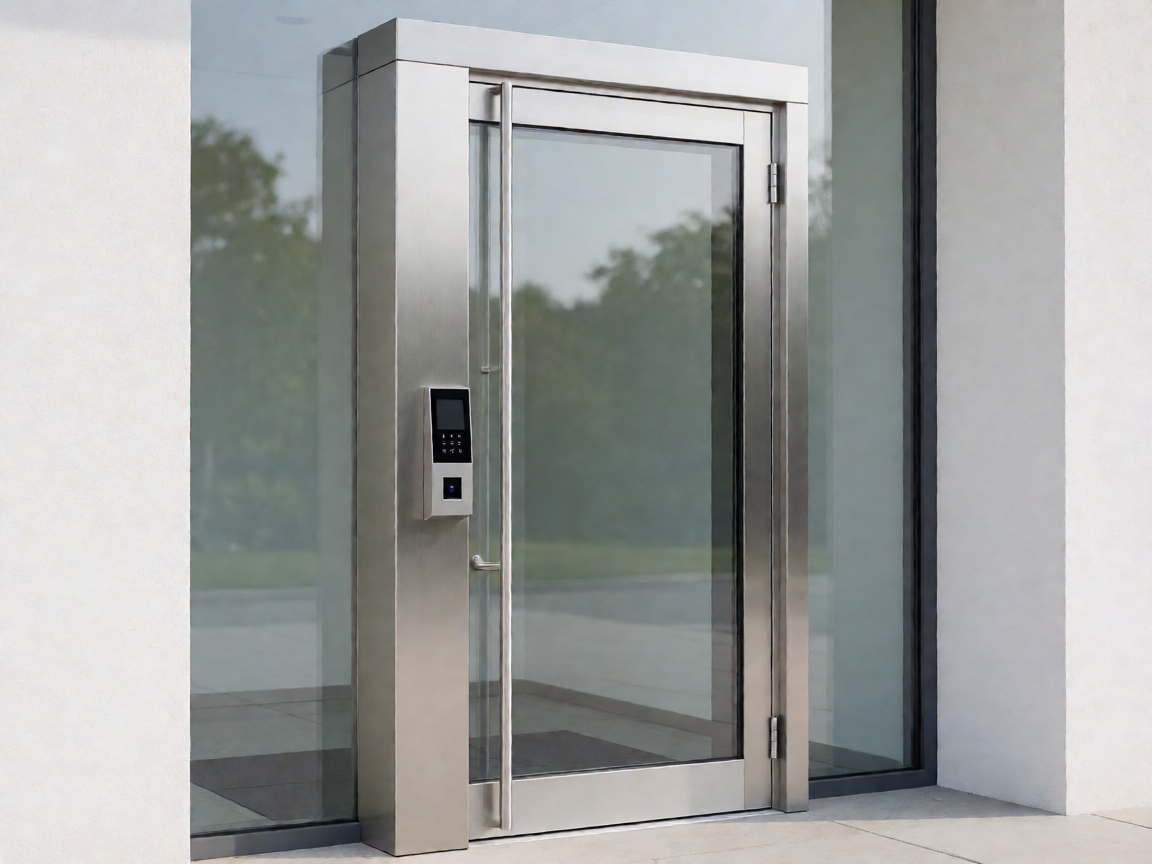
- Lock system: Multi-point locking distributes force across the frame. A smart fingerprint lock needs a mechanical override and weather-rated enclosure.
- Drainage and gaskets: Weep holes, sill gaskets, and continuous weather seals stop water from sitting against the frame.
- Hinge adjustment: Adjustable hinges let installers and maintenance teams correct sag without removing the frame.
These details determine whether door frames stay square after seasonal movement. They also define serviceability: accessible adjustment points and replaceable seals are easier to keep in tolerance than sealed, non-serviceable units.
Key Advantages for Villa Exterior Applications
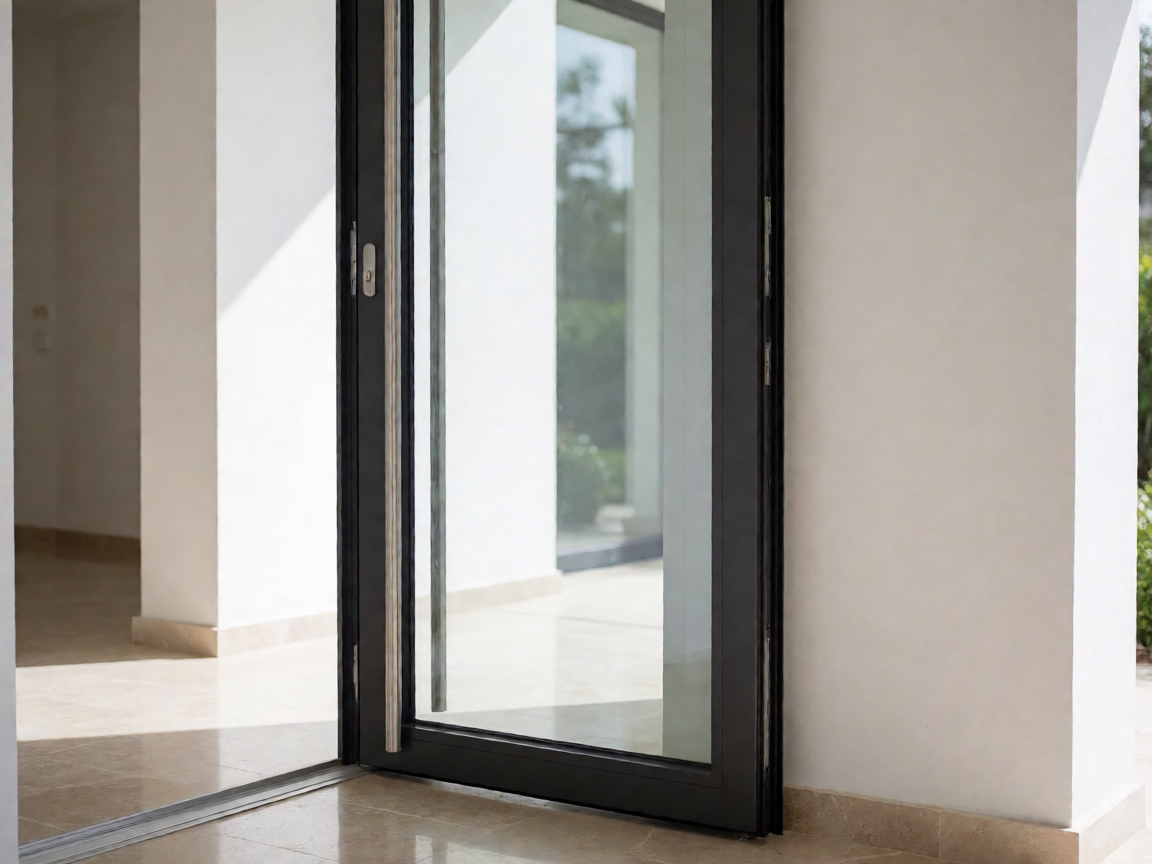
For villa exteriors, aluminum door frames balance security, weather resistance, and low maintenance. They resist rot and rust, handle wind and rain when properly sealed, and accept large glazed panels without excessive weight. A custom aluminum courtyard gate can use the same principles: rigid sections, stainless hardware, and drainage that keeps water away from joints. Cast aluminum villa doors add security and solid feel, while glass spliced exterior doors bring light into entries without sacrificing stiffness. The maintenance advantage is predictability. Wash with pH-neutral detergent, rinse, and dry; inspect seals twice a year. After storms, clear drainage channels and wipe salt spray from coastal exposures. Lubricate hinges and lock cylinders with silicone or PTFE spray, not heavy grease that attracts dust.
Available Custom Options and Their Maintenance Implications
Customization should support serviceability. Finish and color affect maintenance: dark powder-coated door frames show dust and water spots, while light colors may show splash-back. Fluorocarbon finishes cost more but hold color in high-UV climates. Wood-grain finishes need gentle cleaning to preserve the print layer. Opening direction—inswing, outswing, single, or double—changes rain exposure and hardware wear; outswing doors need robust hinges and a well-drained threshold. A smart fingerprint lock should include a weather cover, low-battery warning, and keyed backup. LED decoration around door frames needs an accessible driver and sealed wiring; otherwise a failed LED becomes a liability. A transom lintel adds height and light but must be structurally supported and sealed independently so water cannot track into the frame head. For a custom aluminum courtyard gate or glass spliced exterior door, request documentation for adjustment points, seal types, and replacement parts.
Buying and Selection Tips for Long-Term Fit
Evaluate door frames as a system, not a profile. Confirm frame wall thickness, panel plate thickness, filling type, glass specification, lock certification, and coating warranty in writing. Check that anchors are stainless steel and suitable for the wall substrate—concrete, masonry, or framed construction. Renovation contractors should verify site measurements against adjustable tolerances; a 5–10 mm allowance can prevent callbacks when openings are out of square. Builders should protect frames during construction and avoid sealant blocking weep holes. Architects can specify replaceable gaskets, adjustable hinges, and a maintenance schedule in the project manual. Before purchase, ask for a finish sample, section drawing, and recommended cleaning products. A frame that is easy to inspect and adjust will stay aligned longer than one that requires disassembly for minor corrections.
Practical schedule: clean frames and seals every three to six months; inspect hinge screws and anchor bolts annually; lubricate hardware twice a year; replace gaskets that no longer rebound; touch up scratches with matched coating; clear drainage before rainy seasons.
Conclusion
Long-term fit results from good frame design and a simple maintenance routine. By selecting appropriate aluminum sections, specifying serviceable hardware, and protecting seals and drainage, villa owners and construction teams can avoid common failures that shorten a door’s service life. Door frames deserve the same attention as the door leaf. ZW Doors supplies exterior door systems with documented specifications and maintenance guidance for projects that require durability, security, and clean architectural lines.